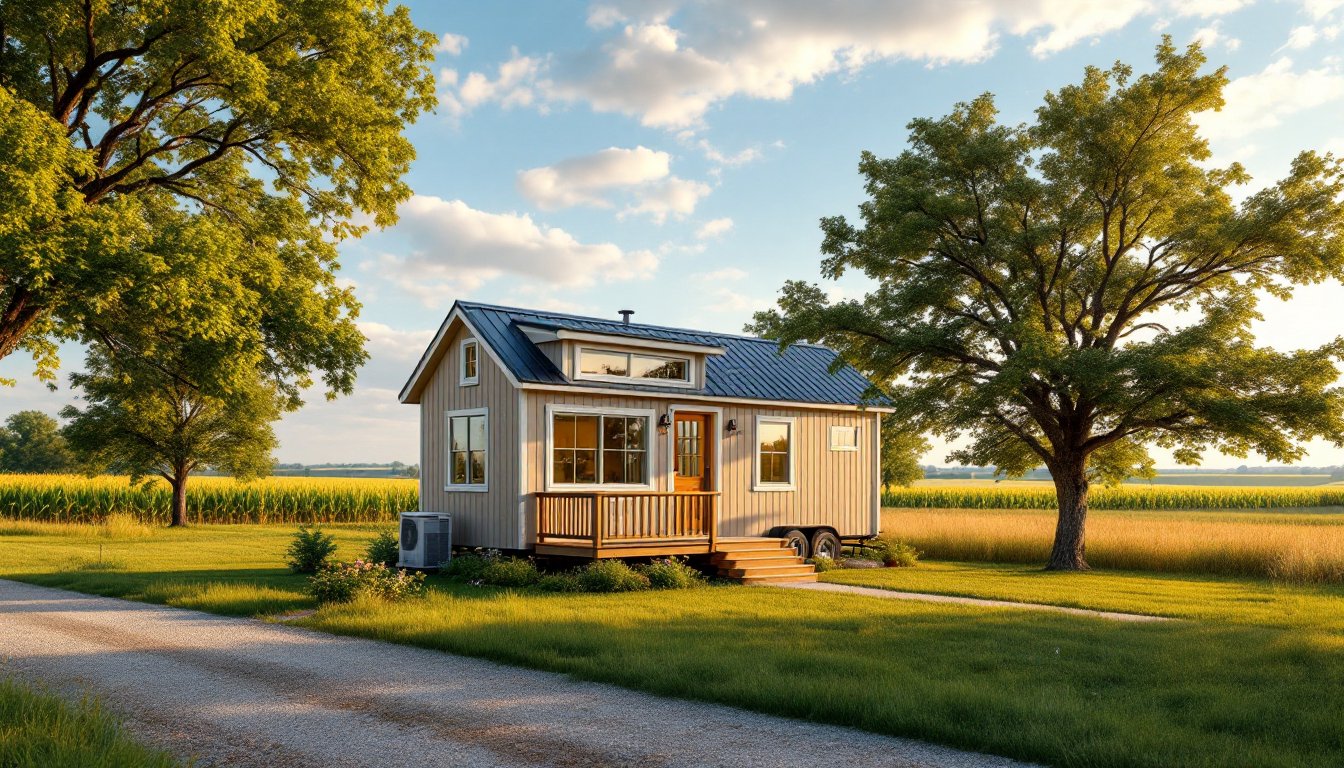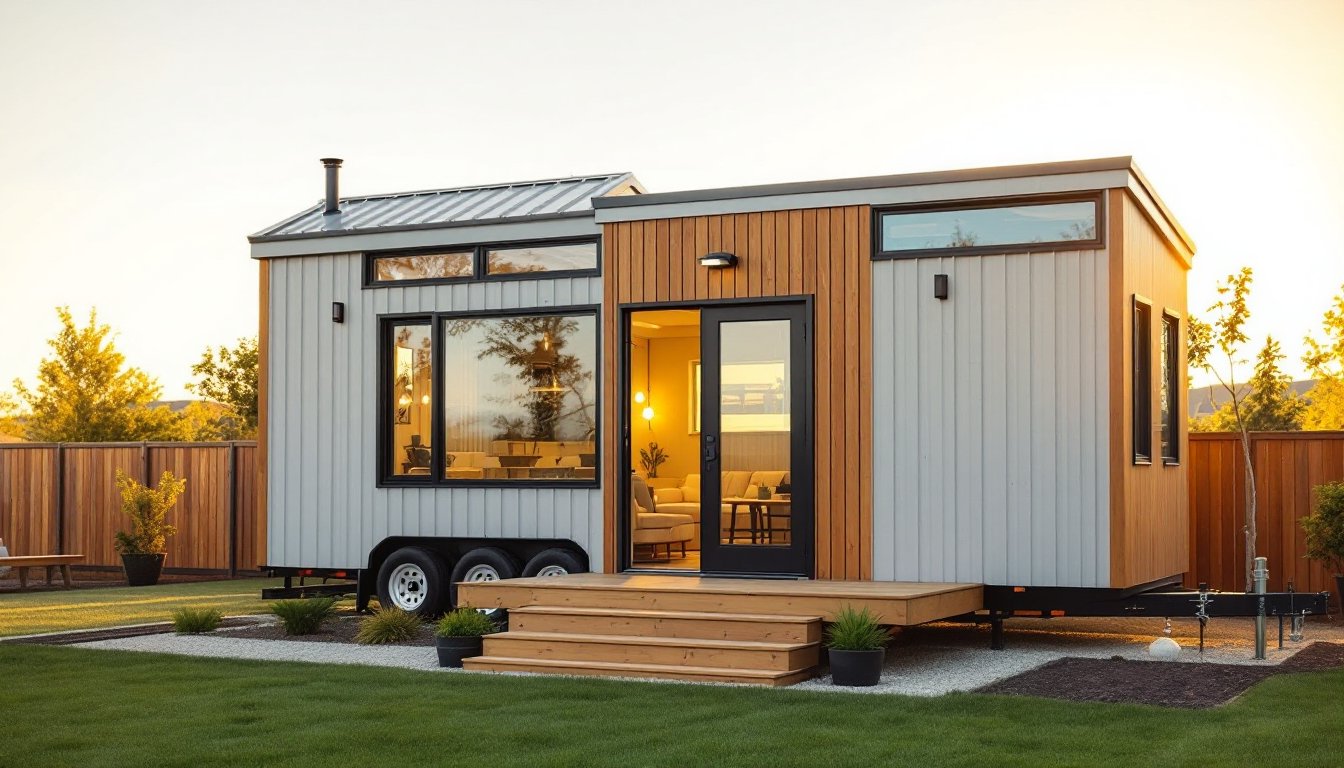
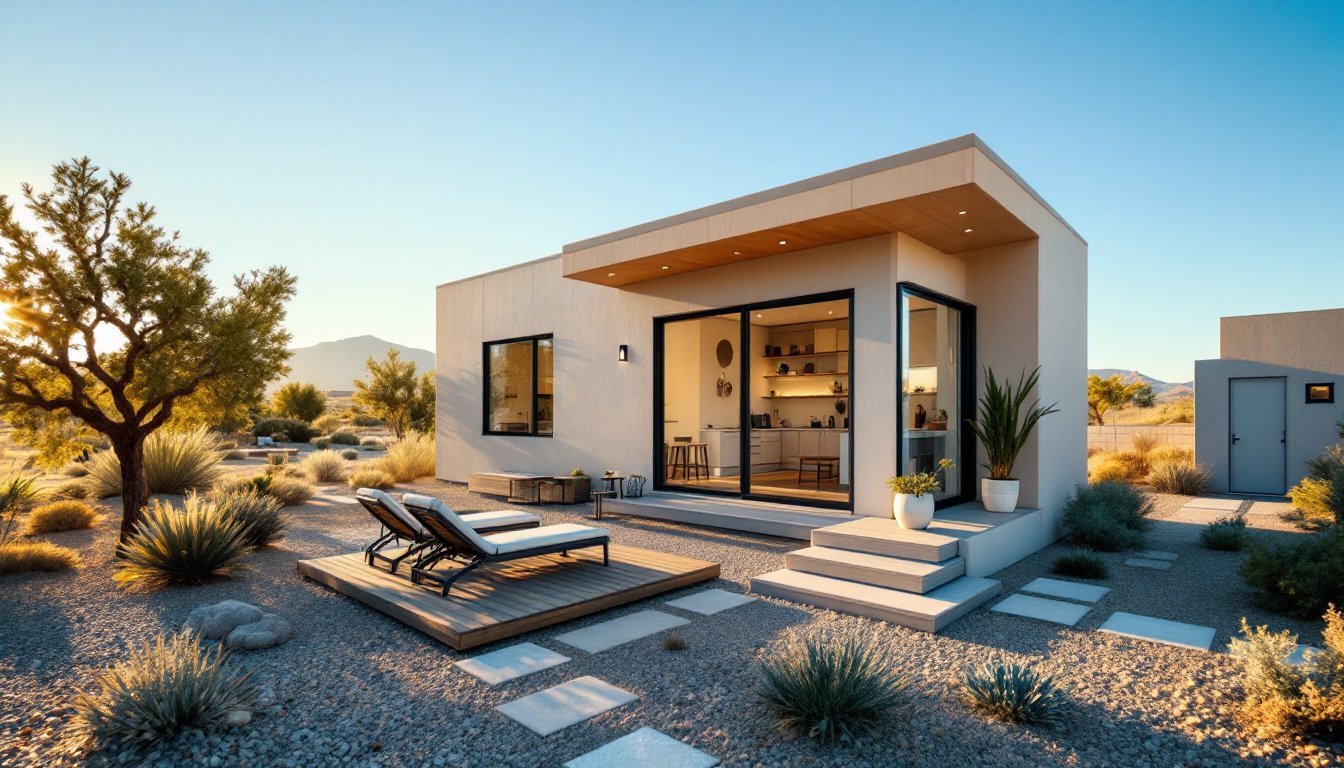
Las Vegas isn’t just about casinos and glitz anymore. The tiny home movement has gained serious traction in the desert, driven by soaring property costs and a growing appetite for minimalist living. Whether you’re looking to downsize, invest, or escape the sprawl of traditional neighborhoods, tiny homes in Las Vegas offer an affordable, practical alternative. This guide walks you through what makes Vegas a hotspot for compact living, how to find and buy, design strategies for small spaces, and how to handle the brutal desert climate in a tight footprint.
Table of Contents
ToggleKey Takeaways
- Tiny homes in Las Vegas offer affordable ownership through lower purchase prices, reduced utility costs (up to $50–80/month savings on power), and Nevada’s no-income-tax advantage.
- Popular neighborhoods like Summerlin, North Las Vegas, and Henderson each offer distinct benefits, from strong resale appeal to budget-friendly options, making location research essential before buying.
- Design strategies like vertical storage, light colors, and quality lighting transform compact spaces into comfortable living areas without the cramped feeling.
- Proper insulation (R-19+ for walls, R-30+ for attic) and correctly-sized AC units are critical investments that prevent Las Vegas’s 115°F summers from making tiny homes feel like ovens.
- Work with realtors familiar with tiny homes and carefully review zoning restrictions and HOA rules, as deed restrictions and square footage requirements vary significantly by neighborhood.
- Total cost of ownership—including mortgage, property tax, utilities, HOA fees, and maintenance—typically favors tiny homes over traditional houses, with 30-year savings that justify the initial investment.
Why Tiny Homes Are Thriving in Las Vegas
Las Vegas has become a sandbox for tiny home enthusiasts, and the reasons are clear. First, the land isn’t scarce like it is in California or New York, developers can build entire communities of compact dwellings without astronomical land costs. Second, housing prices have climbed enough that traditional single-family homes feel out of reach for many buyers, but tiny homes offer a more accessible entry point to ownership.
The demographic appeal is broad. Young professionals tired of renting, retirees looking to downsize, and remote workers seeking lower overhead all see Vegas as a practical choice. Developers have noticed. Over the past two years, several micro-community projects have launched on the city’s outskirts and in neighborhoods like Summerlin and North Las Vegas, specifically targeting the tiny home buyer.
One underrated factor: property tax. Nevada has no state income tax, and Clark County’s property tax is lower than many competing regions. That math matters when you’re calculating the cost of ownership across a 10- or 20-year horizon. Add favorable zoning for accessory dwelling units (ADUs) in some neighborhoods, and tiny homes become a legitimately smart financial move, not just a lifestyle statement.
Finding and Buying a Tiny Home in Las Vegas
Hunting for a tiny home in Vegas requires a different approach than conventional house hunting. MLS listings often lump tiny homes alongside mobile homes and modular units, so you’ll need to filter carefully. Look specifically for communities that market themselves as “micro-living” or “compact communities.” Several real estate platforms now let you search by square footage under 800, which helps narrow the field.
Working with a realtor familiar with tiny homes and ADUs is crucial. They’ll know which neighborhoods allow them, which HOAs welcome them, and which communities offer the best resale potential. Don’t skip the legal review, deed restrictions, CC&Rs, and zoning rules vary widely. Some HOAs have minimum square footage requirements that technically exclude tiny homes, so confirm before you fall in love with a property.
Expect prices to range from $150,000 to $350,000 for a finished tiny home in established Vegas neighborhoods, depending on finishes and location. New construction in dedicated communities may skew slightly higher. Financing can be trickier: some lenders treat tiny homes as non-standard, so pre-approval is worth getting before you start shopping.
Popular Neighborhoods for Tiny Home Communities
Summerlin has embraced compact living with planned micro-communities that include modern amenities. Prices run higher here, but the infrastructure and resale appeal are strong.
North Las Vegas offers more affordable options with less restrictive zoning. It’s further from the Strip and more bedroom-community oriented, which appeals to commuters and investors.
Downtown Arts District (near Fremont East) has started attracting converted lofts and new small-footprint builds targeting urban professionals. Walkability is a major draw.
Henderson suburbs have seen steady growth in tiny home developments, especially around mixed-use projects. It’s family-friendly and closer to good schools than some Vegas areas.
Visit communities in person, walk the streets, check out the shared spaces, and talk to existing residents. They’ll be honest about noise, parking, and whether the promised walkability actually exists.
Maximizing Space: Smart Design Tips for Tiny Vegas Homes
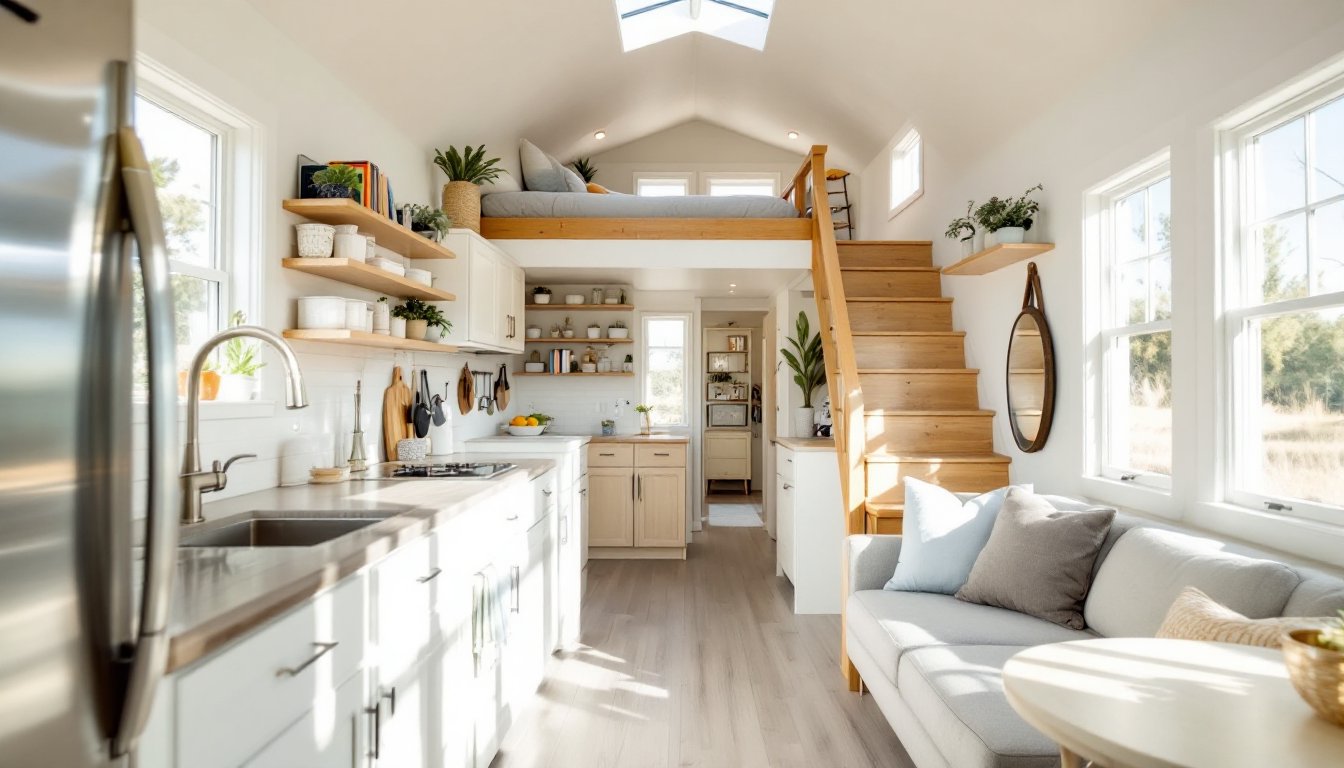
Once you own a tiny home, design choices make the difference between cozy and cramped. The first rule: think vertical. Tall shelving, lofted sleeping areas, and wall-mounted storage pull your eye upward and make compact spaces feel larger. An 8-foot ceiling becomes less oppressive when furniture doesn’t block the upper half of the wall.
Light is your ally in the desert. Maximize windows, use light paint colors (whites, soft grays, pale yellows), and invest in quality artificial lighting. LEDs are cheap and efficient: recessed lights and under-cabinet strips eliminate shadows. If your tiny home has a porch or small outdoor space, treat it as an extension of your living area. A couple of comfortable chairs and a side table double your functional square footage for about $500.
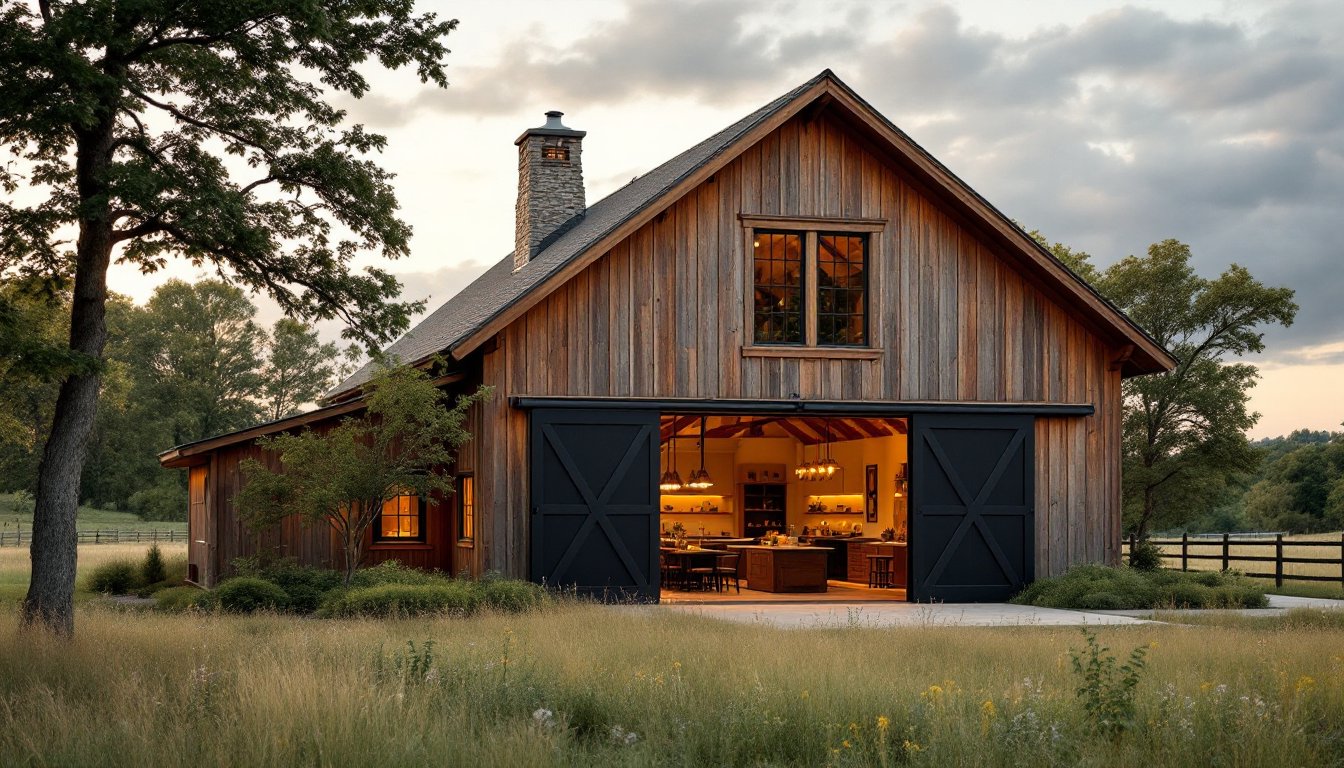
Color and texture matter too. Monochromatic schemes feel larger, but a single accent wall prevents blandness. Small geometric patterns in textiles read as intentional design, not budget constraints. Consider that reclaimed wood tiny home projects often pair reclaimed elements with clean, light finishes for warmth without visual clutter.
Storage Solutions and Multi-Functional Furniture
In a 400-square-foot home, every piece of furniture must earn its space. Beds with under-storage, ottomans with lift-tops, and nesting tables are non-negotiable. Vertical shelving above doorways, corner shelves, and pull-out pantry units squeeze capacity without sacrificing flow.
Consider a murphy bed if your bedroom doubles as an office. A sofa that converts to a guest bed, dining table with leaves, and a kitchen island with stools that tuck completely under save steps and space. The investment in built-ins, a fitted closet system, a window seat with storage beneath, costs more upfront but pays back in livability and resale appeal.
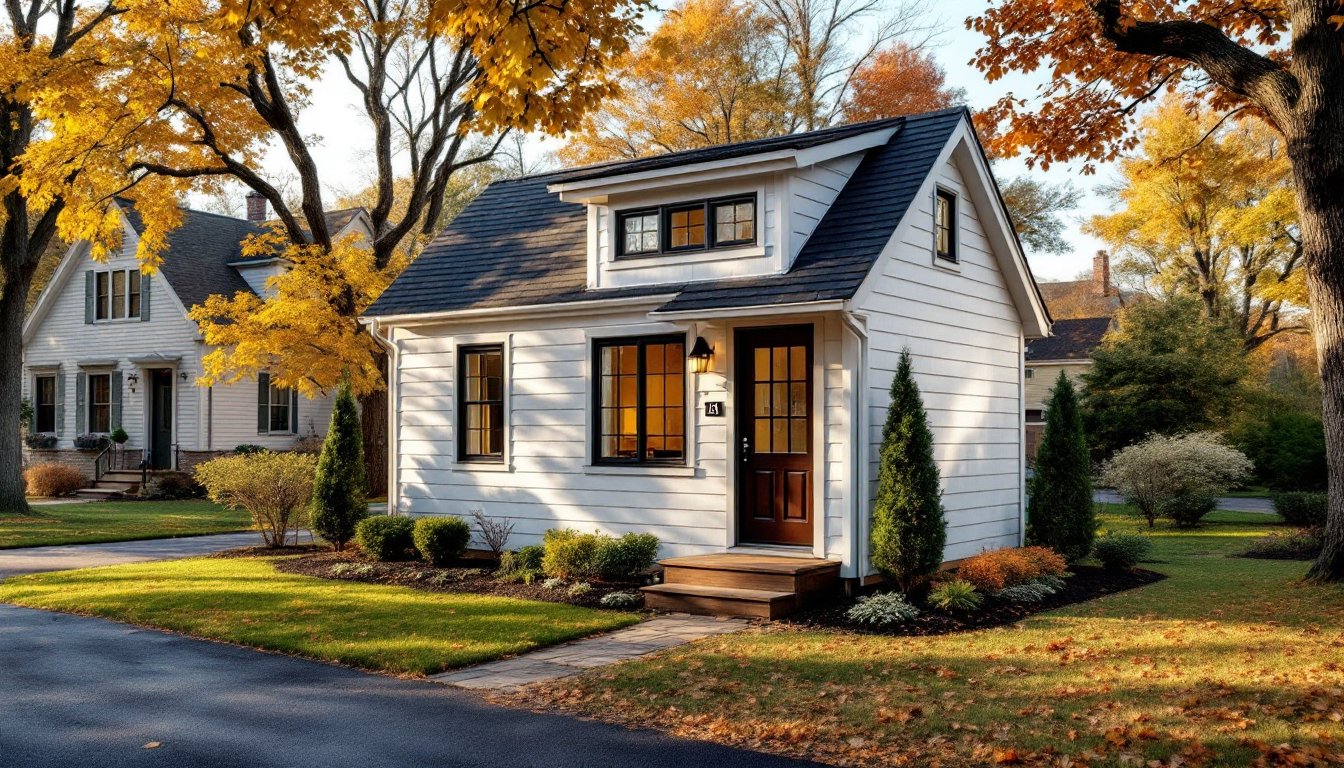
Don’t overlook the garage or storage shed. If your tiny home sits on its own lot, a small outbuilding (10×12 feet, often under $3,000 to $4,000 installed) keeps seasonal items and tools out of the house. It’s an efficiency hack disguised as a shed. Strategies used in suburban tiny homes often include separate utility structures, and that model translates to Vegas.
Managing Desert Heat in a Compact Space
Las Vegas summers top 115°F: managing that heat in a small, concentrated space requires intentional design and equipment choices. Proper insulation isn’t optional, it’s structural defense. When you’re cooling 400 square feet instead of 2,000, upgrading insulation in walls and ceiling (R-19 or better for walls, R-30+ for attic) is one of the highest ROI improvements. It keeps AC costs reasonable and prevents the “oven” feeling of poorly insulated compact homes.
AC sizing matters more in tiny homes. An undersized unit runs constantly and can’t dehumidify: an oversized unit cycles on and off inefficiently. A HVAC tech should perform a proper load calculation. For a 400-square-foot space, typically a 2-ton unit works (don’t guess). Mini-split systems (ductless heat pumps) are excellent for tiny homes: they offer zoned cooling, are efficient, and don’t require ductwork renovation.
Window treatments are critical. Reflective or cellular blinds reduce solar gain by 25–30%. Awnings over south and west windows are inexpensive and effective. Keep your exterior clean: a dust-covered AC condenser unit loses efficiency fast in the desert.
Ventilation shouldn’t be an afterthought. In small spaces, moisture, odors, and CO₂ build up quickly. A good exhaust fan in the kitchen and bathroom, plus operable windows on opposite walls for cross-ventilation, prevent stuffiness. Some tiny homes benefit from a whole-house fan (when outside temps drop at night, usually after 10 p.m. in summer), which pulls cool air through and vents hot air out. Check resources like Curbed for guides on desert climate adaptation in residential design.
The Cost Benefits of Tiny Living in Las Vegas
The financial math of tiny homes in Vegas is compelling. Start with purchase price: a $200,000 tiny home versus a $450,000 traditional home means a smaller mortgage, lower interest over the loan term, and faster equity build.
Operating costs are where tiny homes shine. Utilities, AC, heating, water, electricity, scale directly to square footage. A 400-square-foot home uses roughly one-fifth the energy of a 2,000-square-foot house, even accounting for the desert climate. That’s a difference of $50–80 per month on power bills alone. Water usage drops similarly.
Property tax is calculated on assessed value. A $200,000 home in Clark County pays roughly $800–900 annually in property tax, versus $1,800–2,000+ for a $450,000 property. Over 30 years, that’s a meaningful difference.
Maintenance costs shrink too. Roof repairs, HVAC maintenance, painting, and landscaping are all cheaper on 1,000 square feet than 2,500. Homeowners insurance is proportional to replacement cost, so a tiny home’s premium is naturally lower.
There’s a resale angle, too. The Nevada tiny home market is young but growing. Early adopters who buy now in established communities like Summerlin or Henderson may see appreciation as demand increases. Projects profiled on sources like Apartment Therapy demonstrate that well-designed, efficiently built small homes attract multiple buyer demographics.
One caution: HOA fees in some micro-communities can run $200–400 monthly if common areas and amenities are maintained. Factor that into your budget. Communities without HOAs offer lower carrying costs but typically fewer shared amenities. Compare the total cost of ownership, mortgage, tax, insurance, utilities, HOA, and maintenance, not just the purchase price.
<h2 id="” data-id=””>Final Thoughts
Tiny homes in Las Vegas represent a practical, affordable path to ownership in a city where traditional housing has become out of reach for many. The desert climate, lower cost of living, and growing inventory of well-designed micro communities make Vegas a legitimate contender for anyone considering compact living. Whether you’re downsizing, investing, or simply choosing a different lifestyle, the fundamentals remain the same: know your neighborhoods, design intentionally for your space, prepare for the heat, and do the math on long-term costs. The tiny home isn’t a compromise, it’s a choice, and in Las Vegas, it’s an increasingly smart one.