The allure of downsizing has gone mainstream. More homeowners are discovering that 400 square feet can deliver everything they need, without the mortgage, property taxes, and endless upkeep of a traditional house. A 400 sq ft tiny house offers a genuine lifestyle shift: lower utility bills, less clutter, and a genuine sense of home ownership in a market where affordability has become a luxury. Whether you’re drawn to minimalism, financial freedom, or simply a more intentional way of living, the 400 sq ft tiny house market in 2026 is brimming with options. This guide cuts through the noise and walks you through finding, evaluating, and purchasing the compact home that fits your needs.
Table of Contents
ToggleKey Takeaways
- A 400 sq ft tiny house offers significant financial benefits, with purchase prices ranging from $60,000–$150,000 and monthly utility costs often under $50, making homeownership affordable compared to traditional housing.
- Smart design features like vertical storage, lofted bedrooms, open-concept layouts, and multi-functional furniture are essential to maximize usable space in a 400 sq ft tiny house.
- Financing a 400 sq ft tiny house requires careful planning, as traditional mortgages are limited; explore personal loans, RV/manufactured home loans, builder financing, or conventional mortgages for permanently sited properties.
- Verify zoning legality, building permits, and title ownership before purchasing, as regulations vary dramatically by county and municipality, and some areas restrict tiny homes to specific zones.
- Hire an inspector experienced with tiny homes to thoroughly evaluate foundation, roof, plumbing, electrical, and insulation, since quality control varies in this emerging market.
- The 400 sq ft tiny house lifestyle suits those seeking minimalism and financial freedom, but may feel tight for growing families or those working from home with regular client visits.
What Makes a 400 Sq Ft Tiny House the Right Choice
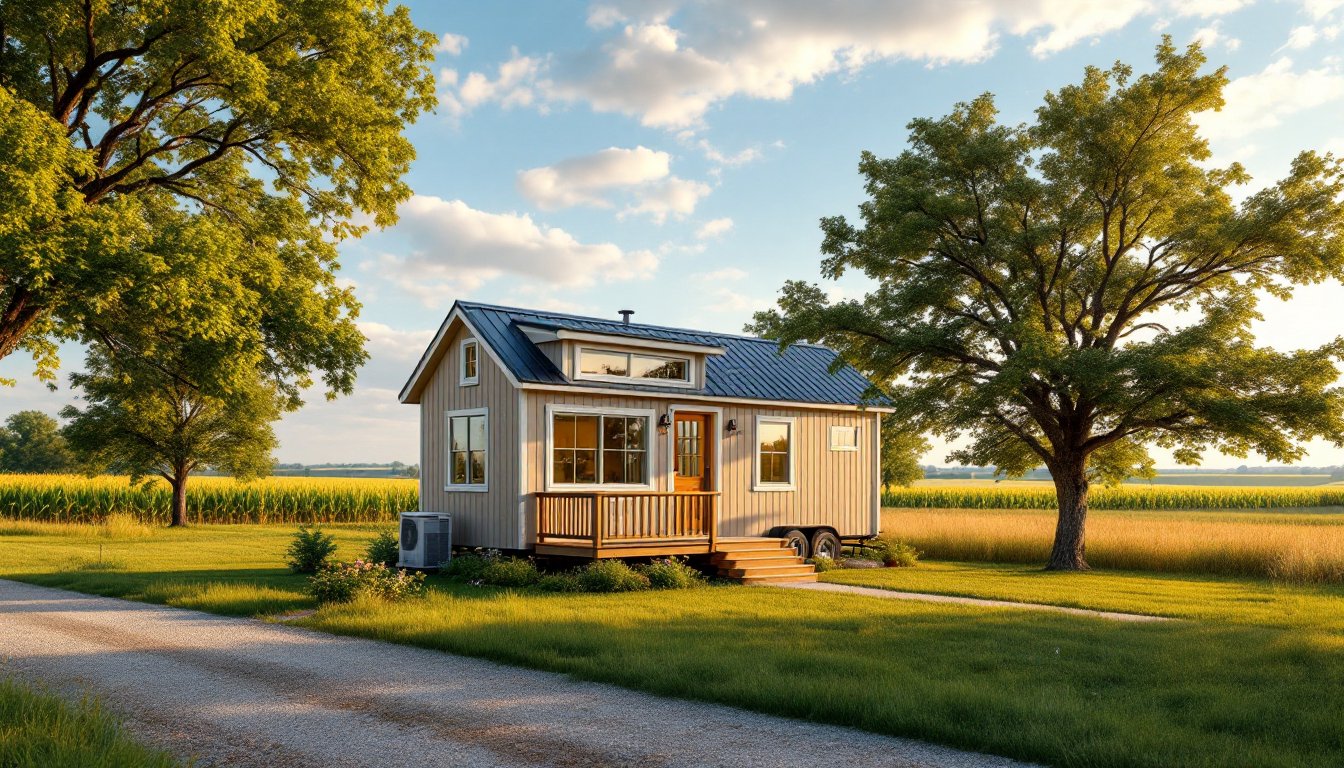
A 400 sq ft tiny house is roughly the size of a one-bedroom apartment, but with key differences in ownership, flexibility, and long-term value. Unlike renting, owning a tiny house means building equity, no landlord restrictions, and the freedom to customize your space.
The financial case is compelling. A modest 400 sq ft tiny house can range from $60,000 to $150,000 depending on whether it’s prefabricated, mobile, or permanently sited. Compare that to the median U.S. home price, and the math becomes clear. Your monthly utilities will drop significantly, many tiny house owners report heating and cooling costs under $50 per month in temperate climates. Property tax is proportional to lot value, not structure, so you’re paying less for land and improvements combined.
Beyond dollars, there’s the lifestyle angle. Tiny living forces intentionality. You can’t impulse-buy furniture or hoard possessions when every cubic inch counts. Time spent maintaining property drops dramatically. With fewer rooms to clean and a smaller yard (if any), weekends open up for hobbies, family, or simply breathing.
That said, 400 sq ft isn’t for everyone. If you have a growing family, work from home with clients visiting regularly, or need separate spaces for hobbies and quiet time, this footprint will feel tight. Test-drive the experience by renting a tiny house for a week before committing.
Where to Find 400 Sq Ft Tiny Houses for Sale
Finding a 400 sq ft tiny house requires knowing where builders and sellers operate. The market has fragmented into several channels, each with pros and cons.
Online marketplaces and specialized retailers are your first stop. Zillow, Redfin, and Realtor.com now filter specifically for tiny homes. Tiny house-specific platforms like Tiny House Listings and the Tiny Home Foundation database let you search by region, price, and features. Many builders post directly to their websites with available inventory.
Manufactured and mobile home dealers stock factory-built 400 sq ft units. These are often the most affordable route, with established financing and warranty support. Regional dealers vary wildly, so check multiple locations.
Local real estate agents specializing in tiny homes exist in growth areas like Colorado, California, and the Pacific Northwest. They know local zoning, financing quirks, and builders who deliver quality. Their insight on placement, where you can legally park or place a tiny house, is invaluable, since regulations vary dramatically by county and municipality.
Builders and craftspeople often deliver superior custom builds. You’re paying more, but you get tailored features, better materials, and direct accountability. Search online reviews and ask for references: this is still an emerging industry with quality variance.
One critical step: check zoning and placement legality before seriously pursuing any property. Many counties ban tiny homes in residential zones or require specific setbacks and utility infrastructure. A realtor or local code official can confirm whether your target address even allows a 400 sq ft structure.
Smart Design Features in Compact 400 Sq Ft Homes
Smart design separates cramped from cozy. Builders and designers have learned that good 400 sq ft layouts maximize usable space through clever architecture and intentional material choices.
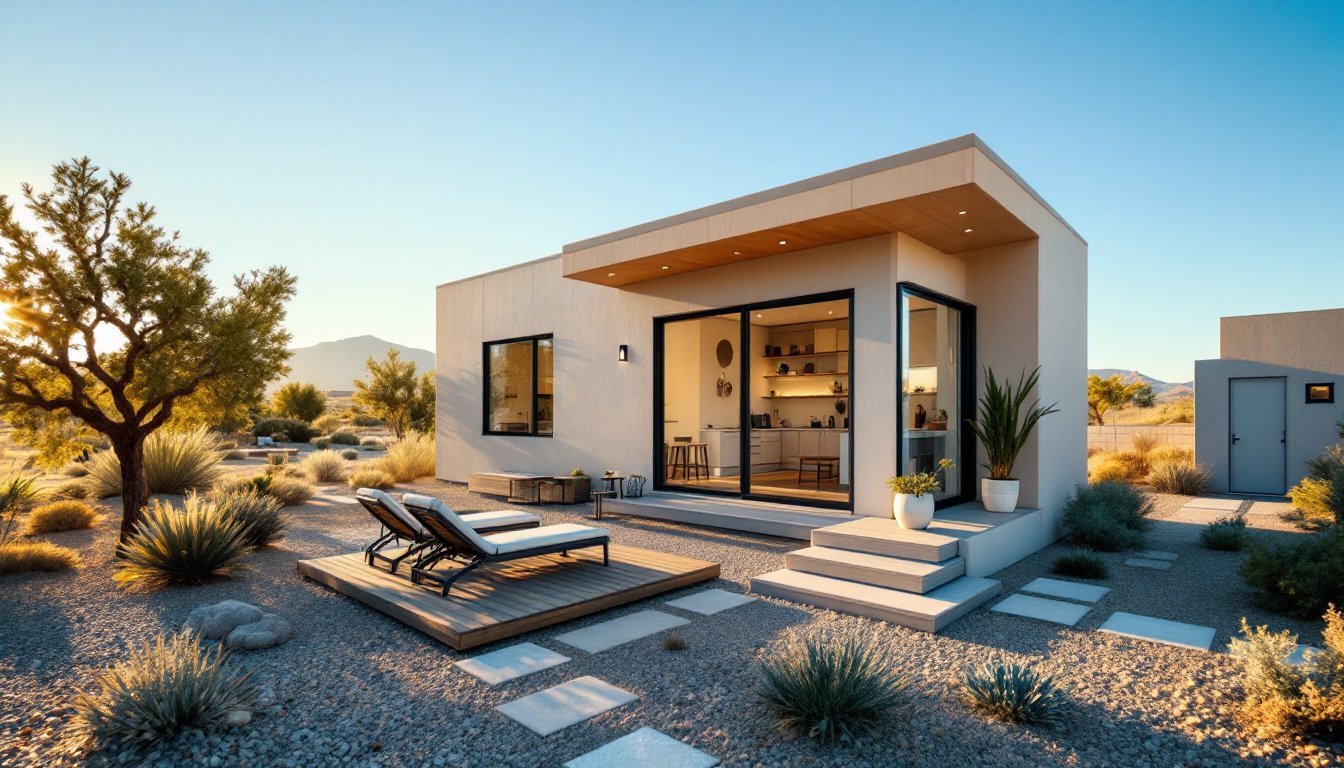
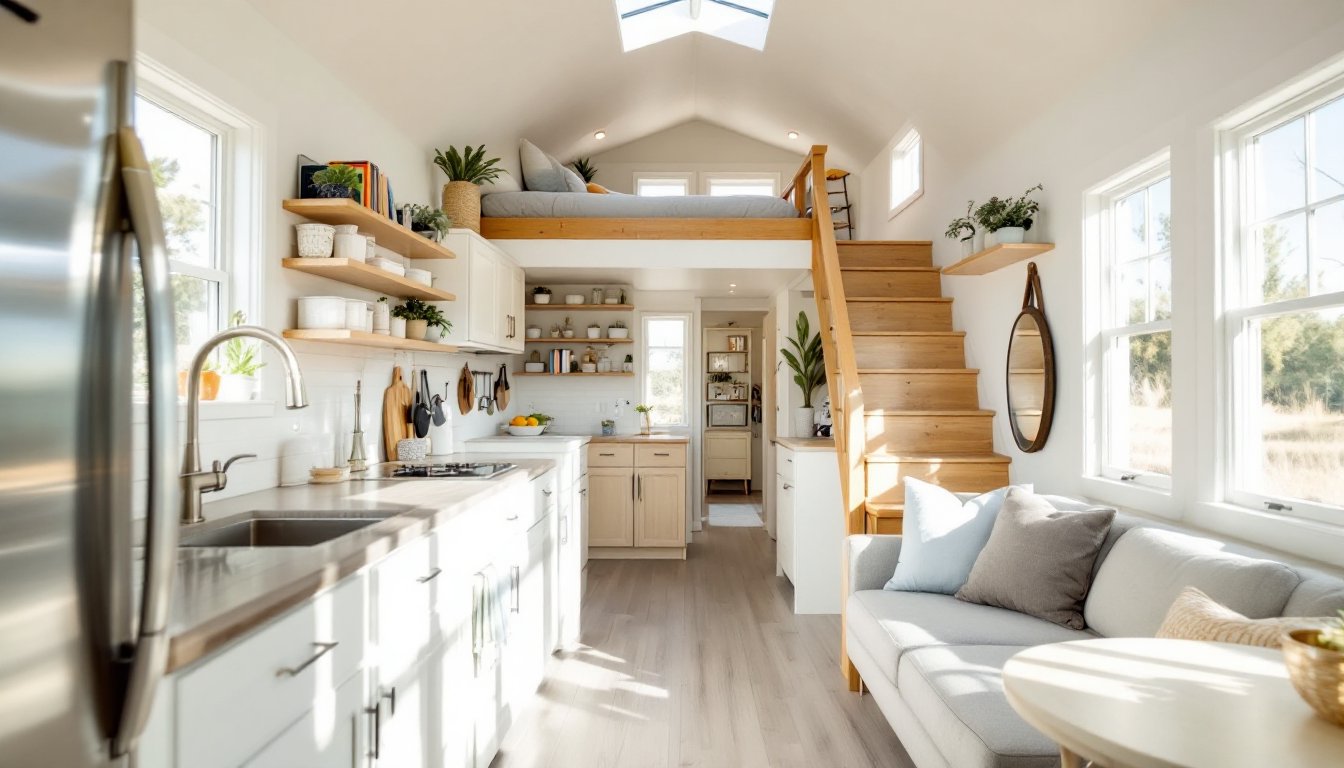
Vertical space is gold. Vaulted ceilings, lofted bedrooms, and floor-to-ceiling storage make the square footage count. A lofted bed over a living area doubles the functional footprint. Watch out for low clearance, standing height matters in a loft.
Open-concept layouts reduce wall clutter and sightlines that make spaces feel boxed in. The kitchen, dining, and living areas flow together. The tradeoff is cooking smells and noise spreading throughout the home: good ventilation and a well-placed range hood are non-negotiable.
Multi-functional furniture is standard in 400 sq ft designs. Kitchen islands with storage, sofa beds, fold-down desks, and ottomans with hidden compartments pull double duty. Look for these integrated solutions rather than trying to retrofit a standard apartment with clever storage hacks.
Natural light and windows make tiny spaces feel larger. Large south-facing windows, skylights, and glass doors let in light and create visual continuity. Some 400 sq ft models include 12+ windows: that’s not excessive, it’s essential design.
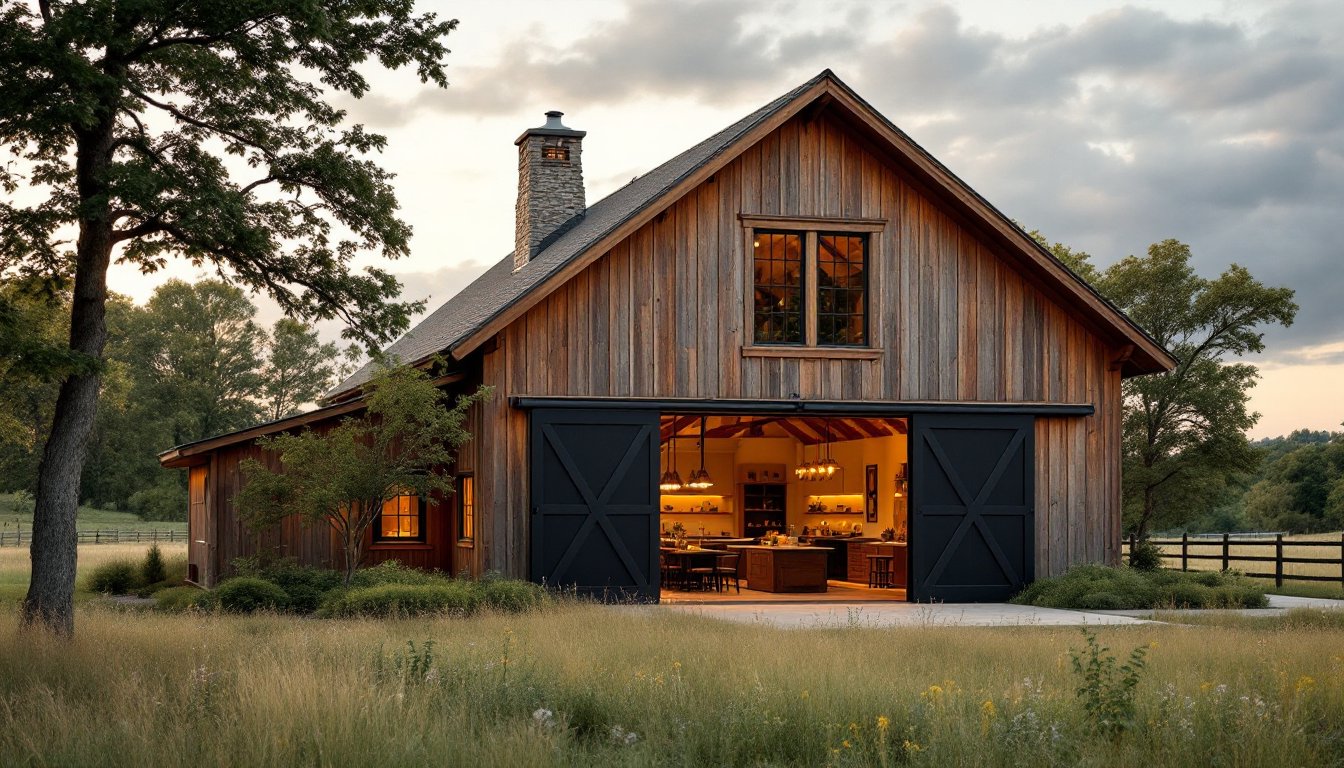
Quality finishes matter proportionally more. In a tiny house, every material is visible and touched regularly. Solid wood cabinetry, quality countertops, and durable flooring feel more permanent and expensive than cheap substitutes. Real wood, concrete, or quality laminates outlast particleboard in a compact, high-use space.
Cost Considerations and Financing Options
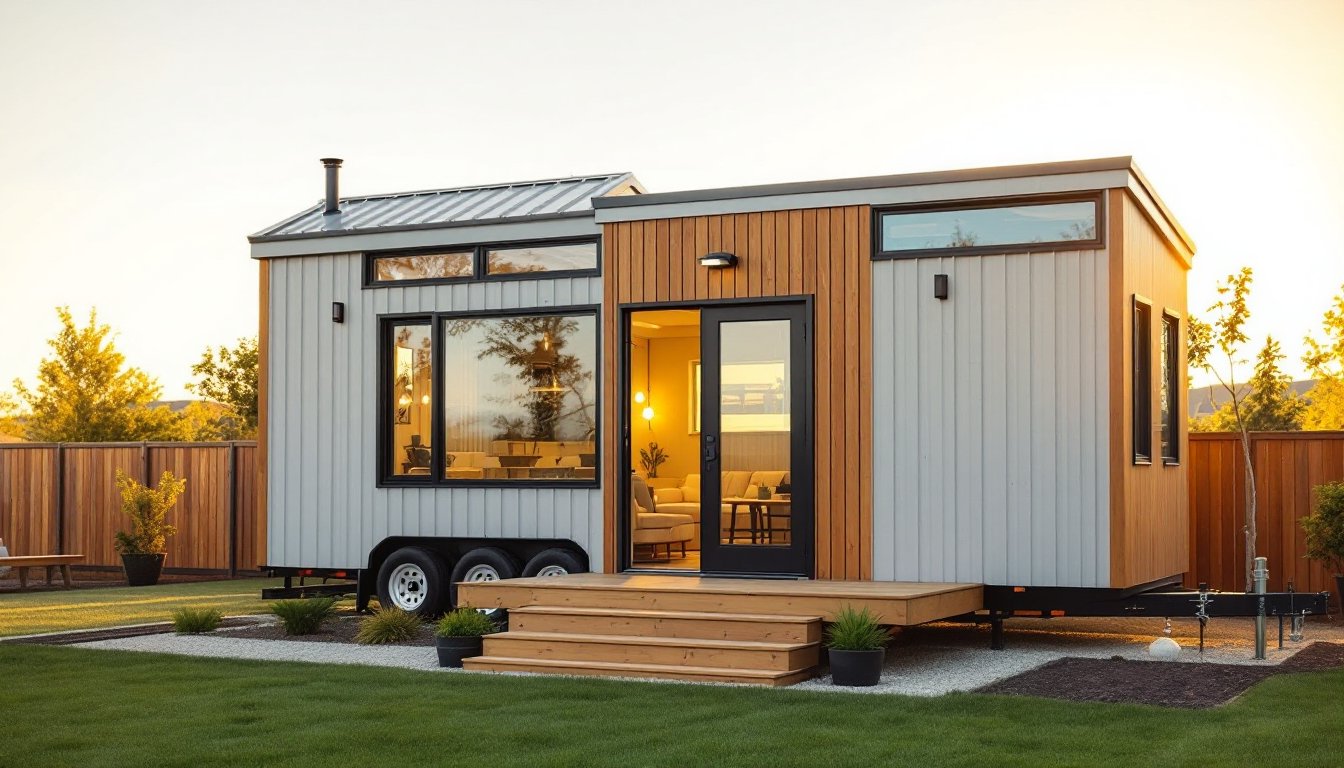
Pricing a 400 sq ft tiny house depends on method of construction, materials, location, and whether it’s mobile or permanently sited. Factory-built models run $40,000–$100,000. Custom builders typically charge $100,000–$200,000+. Site-built (stick-built on a permanent foundation) edges toward the higher end due to labor, permits, and local building code compliance.
Land costs are separate and critical. Tiny houses often sit on smaller lots, which can be cheaper, but urban land is expensive regardless of lot size. Rural land is cheaper but may lack utilities or have zoning restrictions. Budget $20,000–$100,000+ for land depending on region and proximity to services.
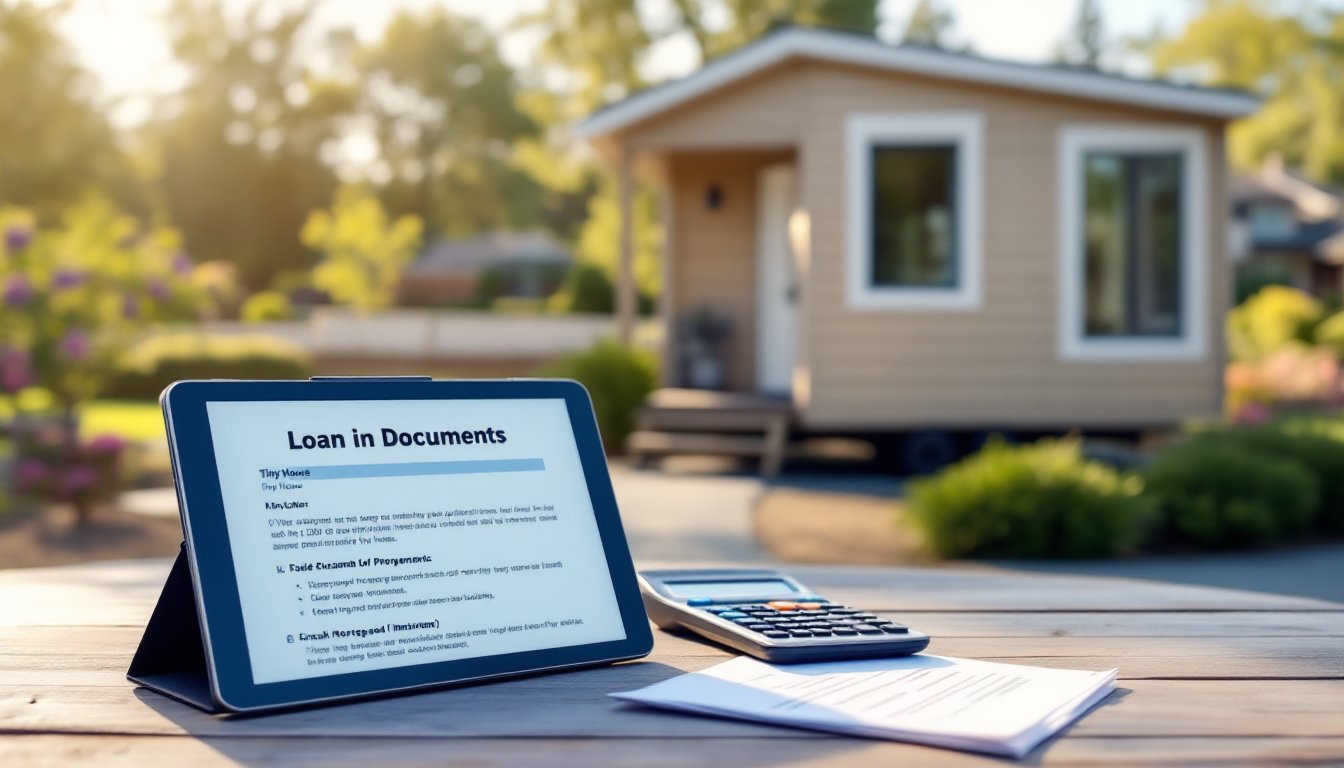
Financing is trickier than traditional mortgages. Banks are cautious about tiny homes because resale data is still limited. Your options include:
- Personal loans or home equity loans (higher interest, shorter terms)
- RV or manufactured home loans (if the tiny house is classified as such: these often have higher rates and shorter payoff periods)
- Builder financing (some custom builders offer in-house financing with competitive terms)
- Conventional mortgages (possible if the tiny house is permanently sited, titled as real property, and the lender approves)
Get pre-approved and understand your loan type before making offers. A $120,000 tiny house with a 15-year personal loan at 8% interest is very different from a 30-year mortgage at 6%.
Hidden costs include permits, utility hookups, insurance, and HOA fees if applicable. Tiny house insurance is cheaper than traditional home insurance but availability varies by region and lender. Factor these into your total cost of ownership.
Making the Most of Limited Space: Layout and Storage Solutions
Once you own a 400 sq ft tiny house, living comfortably hinges on smart organization and intentional use of every inch.
Vertical storage dominates. Wall-mounted shelving, tall cabinets that reach the ceiling, and pegboards replace traditional dressers and bookcases. Measure twice, overcrowded vertical storage can make a tiny room feel suffocating. Balance open shelves with closed storage to avoid visual chaos.
Under-bed and under-stair storage captures dead space. Rolling drawers, plastic bins, or built-in shelving under a lofted sleeping area stores seasonal items, linens, and out-of-season clothes. Clear containers let you see contents without opening every drawer.
A well-designed kitchen in 400 sq ft homes deserves particular attention. Look for models with at least 2-3 linear feet of counter space, decent cabinet depth (24 inches is standard), and appliances scaled to compact dimensions. A full-size refrigerator takes up proportionally more space in a tiny kitchen than in a standard one: some owners upgrade to a compact fridge plus a small second unit. Vertical storage in kitchens is critical, wall-mounted spice racks, magnetic strips for knives, and hanging pots free up cabinet real estate.
Closets and hanging space are often minimal. Budget-friendly additions include tension rods, under-shelf baskets, and tiered hangers. Don’t underestimate the peace of mind that comes from having a dedicated place for everything.
When browsing 400 sq ft models, pay attention to storage during walkthroughs. Ask where the builder expects you to store tools, seasonal items, hobby equipment, and cleaning supplies. If the answer is vague, plan for external storage or reconsider the model.
Evaluating and Purchasing Your 400 Sq Ft Tiny Home
Buying a tiny house requires the same due diligence as a traditional home, and then some, given the emerging market and financing quirks.
Get a thorough inspection. Because tiny homes are often custom or newly manufactured, quality control varies. An inspector experienced with tiny houses (not every general contractor qualifies) should examine the foundation, roof, plumbing, electrical, HVAC, and structural integrity. Insulation quality, ventilation, and moisture barriers matter hugely in small spaces where humidity or mold can spread quickly.
Verify zoning and permits. Before signing, confirm that the specific address allows a 400 sq ft structure. Check setback requirements, utility access, and whether the structure is approved as a primary residence or accessory dwelling unit (ADU). Some jurisdictions restrict tiny homes to RV parks or mobile home communities: that’s a critical detail. Review any covenants if the property is in an HOA.
Understand the title and ownership. Is it titled as real property (land + structure) or as a vehicle? Mobile homes carry a different resale profile and financing structure than site-built homes. Ask the seller for a clear title report and any liens or notes.
Test utilities and systems. During walkthrough, flush toilets, run the shower, check water pressure, test heating and cooling, and verify that electrical outlets work throughout. Ask the seller or builder to demo how to operate HVAC, water heaters, and any integrated smart systems.
Negotiate earnestly. The tiny house market is less liquid than traditional real estate. Sellers may be more willing to negotiate price, closing costs, or post-purchase repairs if you’re serious and move quickly. Get everything in writing, repairs, inclusions, and timeline, before signing the purchase agreement.
Conclusion
A 400 sq ft tiny house isn’t a compromise: it’s a deliberate choice to live intentionally, affordably, and sustainably. The market in 2026 offers more variety, better financing options, and a wealth of lessons learned from early adopters. Research zoning, inspect thoroughly, and test drive the lifestyle before committing. Done right, a tiny house delivers freedom and genuine ownership, the biggest wins in a small package.