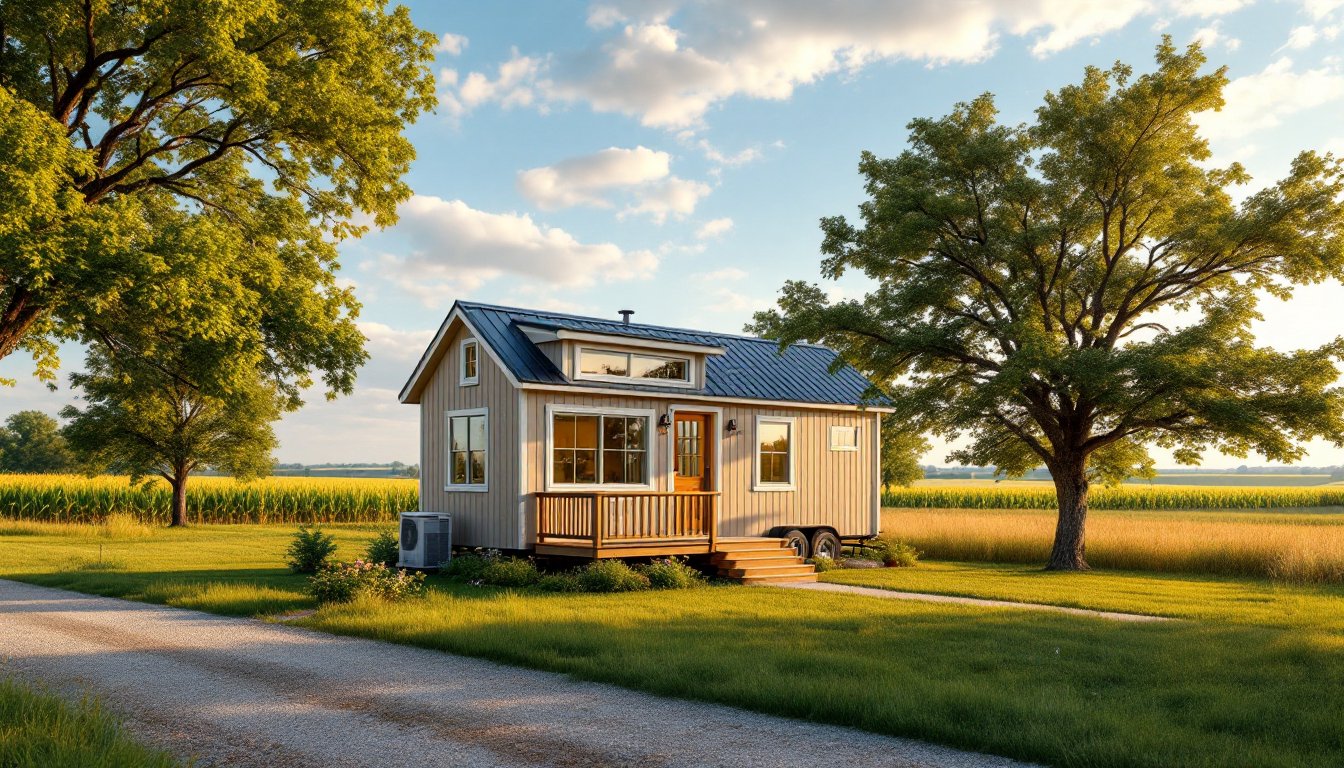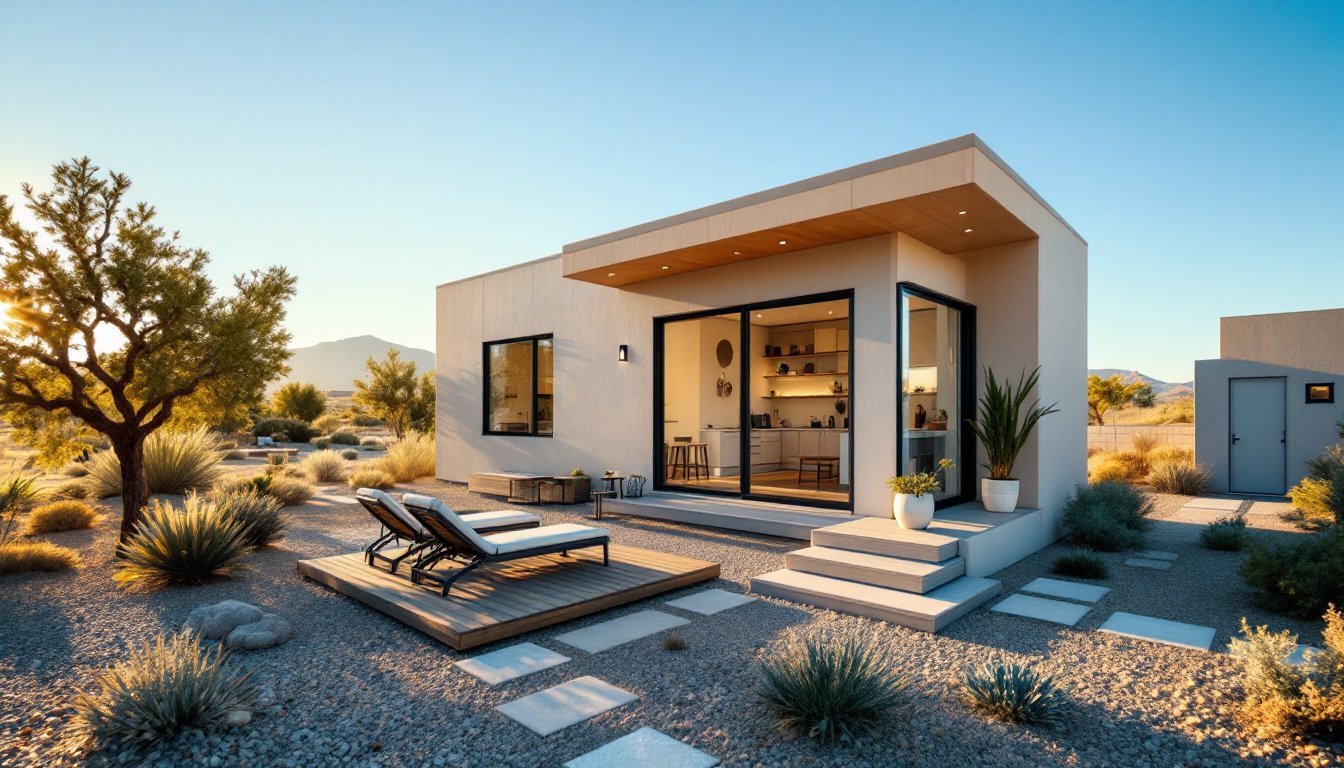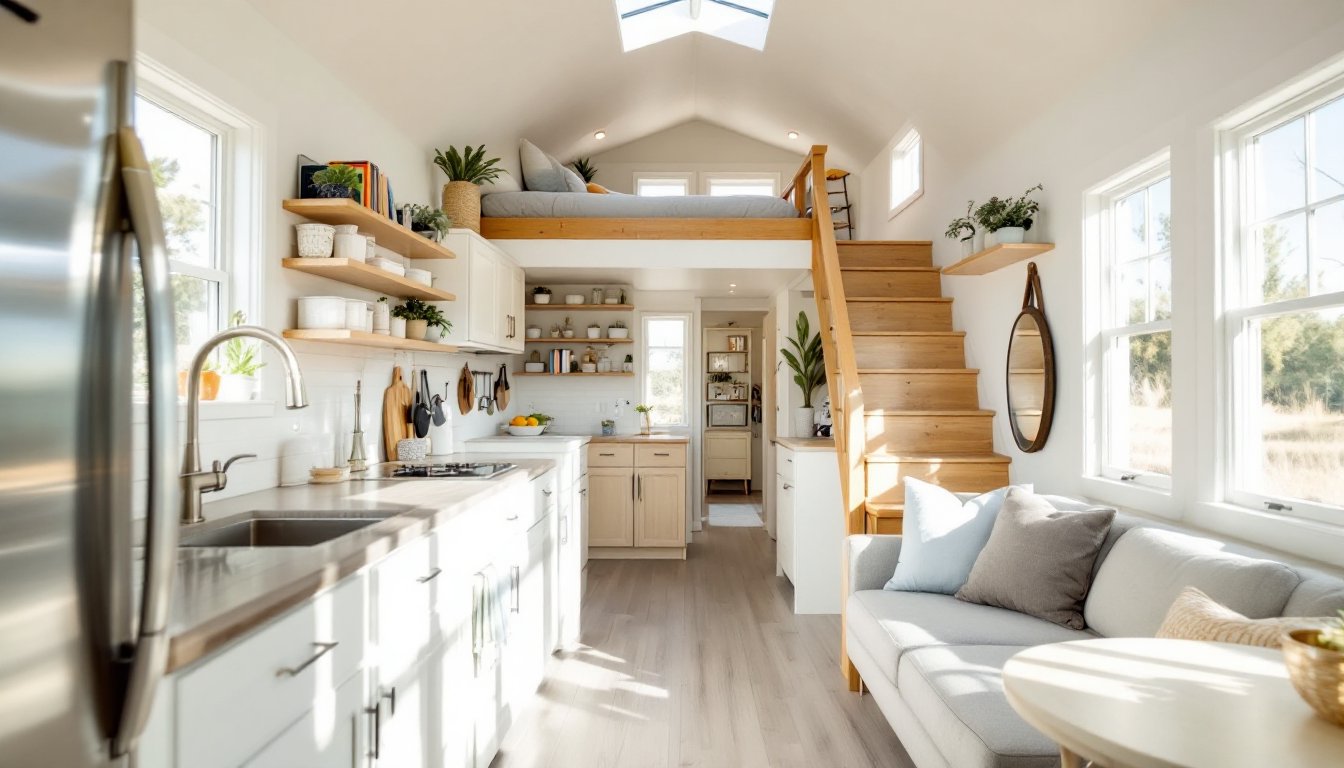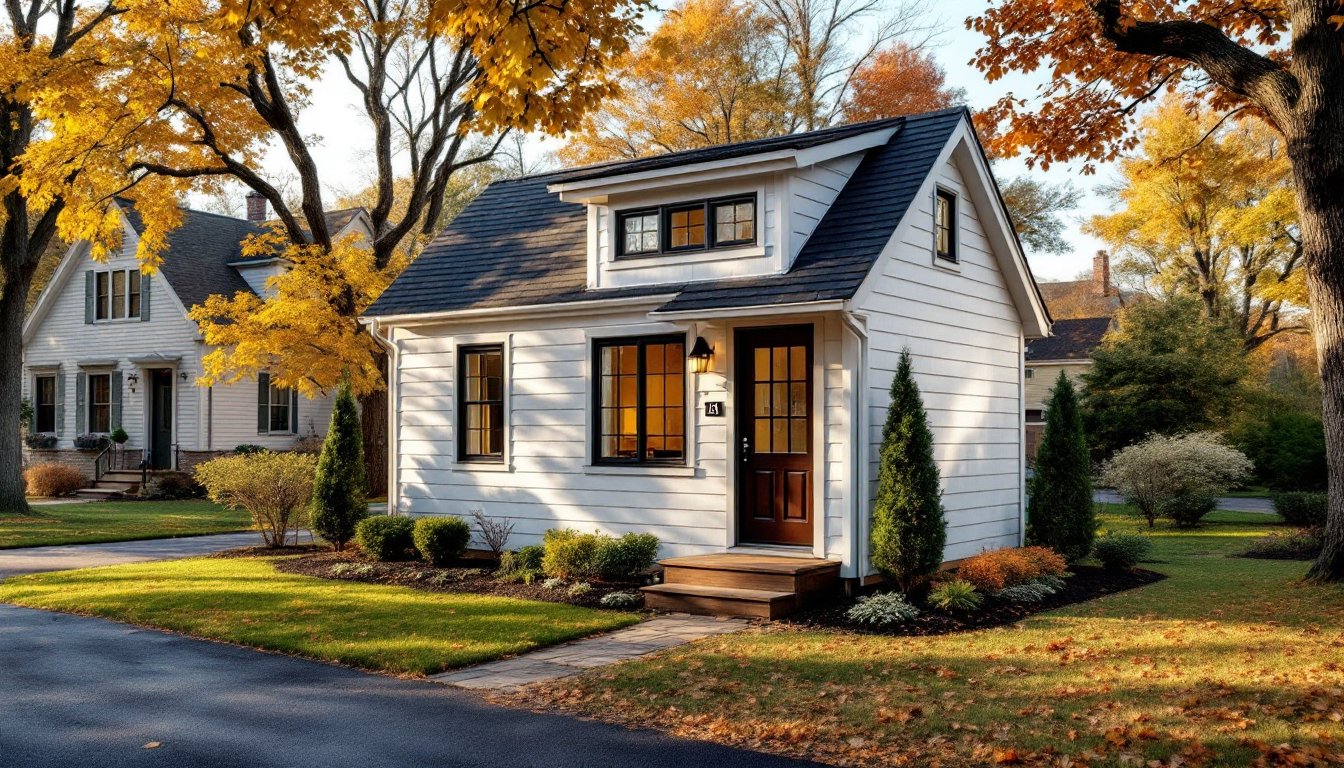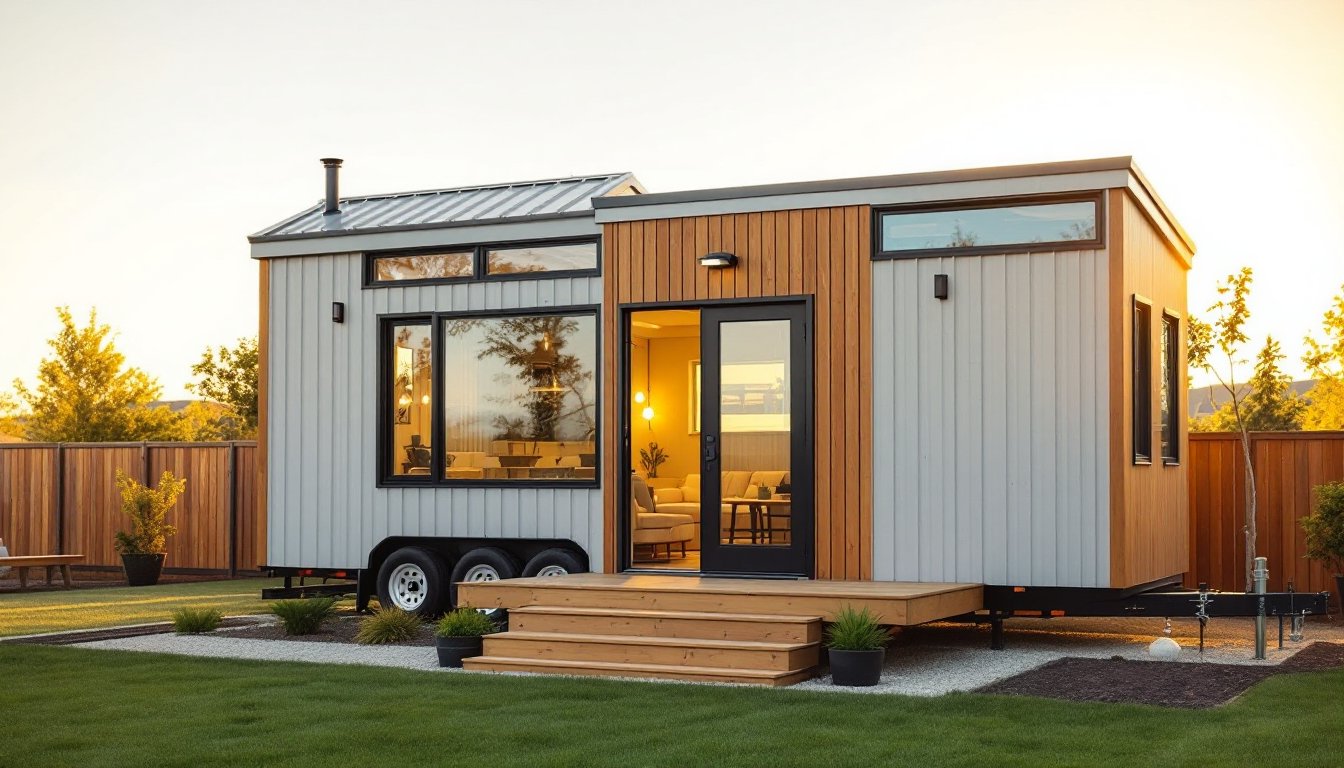
Tiny homes have shifted from a niche trend to a legitimate housing solution for cost-conscious buyers, downsizers, and those seeking financial flexibility. But here’s the catch: financing one isn’t as straightforward as getting a traditional mortgage. Banks view tiny homes differently, sometimes skeptically, because they don’t fit neatly into conventional lending categories. Whether you’re eyeing a prefab unit, a custom-built home on wheels, or a foundation-set structure, understanding your loan options is critical. This guide walks through the financing landscape for tiny home purchases, from loan types to approval strategies, so you can move forward with confidence and a clear financial roadmap.
Table of Contents
ToggleKey Takeaways
- Loans for tiny homes require specialized lenders since conventional mortgages often reject them due to minimum square-footage and foundation requirements that most tiny homes don’t meet.
- Manufactured home loans are your strongest financing option, offering 15–20 year terms with 10–15% down payments, though interest rates run 0.5–1% higher than standard mortgages.
- Personal loans and home equity lines of credit serve as backup options but come with trade-offs: steep interest rates (8–36% APR) or risk to your primary residence.
- Your approval odds depend on three key factors: a credit score of 620+ (680+ for better rates), a debt-to-income ratio below 43–50%, and solid documentation including pay stubs, tax returns, and professional property appraisals.
- Always confirm local zoning regulations before pursuing any tiny home loan—violations can result in thousands in fines or forced removal, making this step essential before financing.
- Work with specialized lenders and credit unions that understand tiny home financing rather than traditional banks, as they move faster and have more flexible underwriting criteria for non-standard properties.
Understanding Tiny Home Financing Challenges
Tiny homes occupy a gray zone in traditional lending. Most conventional mortgages require the property to meet minimum square-footage standards, often 400 to 600 square feet, and to sit on permanent foundations. Many tiny homes fall short of these thresholds or arrive as mobile units, instantly disqualifying them from standard 30-year fixed-rate mortgages.
Lenders also worry about resale value. A tiny home market exists, but it’s smaller and more volatile than the conventional housing market. Banks see limited comparable sales data, which makes appraisals tricky and risk assessment harder. If you default, the lender faces uncertainty about recovering their investment.
Zoning and regulatory hurdles compound the problem. Many municipalities restrict where tiny homes can be placed or classify them as RVs rather than permanent dwellings. This affects both financing eligibility and long-term property value. Before pursuing any loan, confirm local zoning regulations and whether your intended property or home type is legally permitted. This isn’t just a lender concern, it’s a personal one. Buying a home that violates local codes can cost you thousands in fines or forced removal, even if you secure the financing.
Types Of Loans Available For Tiny Home Purchases
Manufactured Home Loans
If your tiny home is a manufactured or mobile home (built in a factory to HUD standards), manufactured home loans are your most direct path. These are specialized mortgages designed specifically for factory-built housing. Lenders understand the product category, which makes approval easier and rates more competitive than you’d find for unconventional financing.
Manufactured home loans typically require a down payment of 10–15% and come with loan terms of 15 to 20 years, shorter than conventional mortgages. Interest rates tend to run 0.5–1% higher than standard mortgages, reflecting the higher risk perceived by lenders. If the home sits on land you own (not a leased lot), you’re more likely to qualify for better terms. Conversely, if the home sits on a leased lot in a mobile home park, approval becomes tougher and rates climb.
Key limitation: The home must be certified as a manufactured home and meet HUD standards. Units built before 1976 or custom-built tiny homes that don’t carry HUD certification don’t qualify. Many lenders also require that the home be less than 10 years old, though some will go older for well-maintained units.
According to industry data on tiny house costs, financing options vary widely based on whether you’re buying a manufactured unit or building custom. Home improvement cost guides detail how manufactured homes often present clearer financing pathways than site-built alternatives.
Personal Loans And Home Equity Options
Personal loans are unsecured loans based on your credit score and income, not collateral. Lenders don’t care how you use the money, tiny home down payment, construction costs, or otherwise. Approval is fast (sometimes within days), but interest rates are steep. You’re looking at 8–36% APR depending on your credit profile. Loan amounts typically max out at $50,000, which works for down payments or smaller prefab units but won’t cover a $150,000 build.
Personal loans shine if you need quick capital or have a weak credit profile that disqualifies you from traditional mortgages. The trade-off is brutal: shorter repayment terms (3–7 years) mean higher monthly payments than a 20-year mortgage would.
Home equity loans and HELOCs (home equity lines of credit) tap into the equity you’ve built in an existing primary residence. If you own a house worth $300,000 with a $150,000 mortgage, you can potentially borrow against that $150,000 difference to fund a tiny home purchase or build. Interest rates are lower than personal loans (currently 7–10% in many markets), and the funds are accessible quickly.
The catch: you’re putting your primary residence at risk. If you can’t repay, the lender can foreclose. Use this route only if you’re confident in your ability to service the debt and if the tiny home serves a clear financial purpose (rental income, guest house, future primary residence).
Many buyers use portfolio loans as an alternative when conventional paths close. Portfolio loans are held by the lending bank rather than sold on the secondary market, giving lenders more flexibility in underwriting criteria. They’re less common and may carry slightly higher rates, but they can work for non-standard properties.
How To Qualify And Get Approved For A Tiny Home Loan
Your approval odds hinge on three pillars: credit score, debt-to-income ratio, and documentation of the property itself.
Credit Score: Most lenders want a minimum 620–640 FICO score for manufactured home loans, though 680+ gets you better rates. Personal loans are more forgiving (some go as low as 580) but at a steep interest rate penalty. Check your credit report for errors, you’d be surprised how often inaccurate entries drag scores down unnecessarily.
Debt-to-Income Ratio: Lenders want your total monthly debt payments (mortgage, auto loans, credit cards, student loans, the new tiny home payment) to stay below 43–50% of your gross monthly income. If you earn $5,000 monthly and carry $1,500 in existing debt, you can support roughly $650–700 more in housing payment before hitting that ceiling. Calculate this before shopping: it’s a hard ceiling.
Documentation: Be prepared with recent pay stubs, W-2s, tax returns (usually 2 years), and bank statements showing savings and assets. If self-employed, provide profit-and-loss statements. Lenders want proof of stability, multiple employment changes in a short period raise red flags.
For the property itself, have an appraisal or pre-purchase inspection ready. If it’s a manufactured home, ensure HUD certification and age documentation are available. For custom-built or unconventional units, get a professional appraisal: this is non-negotiable and usually costs $400–800. Appraisers familiar with tiny homes are rare, so specifically request one with relevant experience.
Pro tip: Start with lenders who specialize in manufactured or tiny home financing. Mainstream banks often reject these applications outright, but credit unions and specialized mortgage companies (like Triad Mortgage or Tiny Home Mortgage) understand the category and move faster. Conventional lending approaches don’t always work here, knowing when to go niche is essential.
If you’re a veteran, tiny homes designed for veterans sometimes qualify for VA loans, which offer favorable terms and no down payment requirement. Check eligibility through the VA before ruling this out. For those in specific regions, tiny homes in California or suburban tiny homes markets may open different lending pathways depending on local lender networks and regulations. Similarly, exploring tiny homes for sale with land versus lease-lot options significantly impacts financing viability.
Once you’re approved, lock in your rate immediately. Tiny home markets move, and rate-lock periods (usually 30–45 days) prevent surprise rate hikes as you navigate appraisals and inspections.
Conclusion
Financing a tiny home requires patience, realistic expectations, and often a willingness to explore non-traditional lending paths. Manufactured home loans remain your strongest option if the unit qualifies: personal loans and home equity borrowing work as backup strategies. Focus first on understanding your credit profile, confirming local zoning approval, and targeting lenders with tiny home experience. The effort pays off, a properly financed tiny home can deliver genuine housing cost savings and lifestyle flexibility that conventional mortgages simply can’t match.