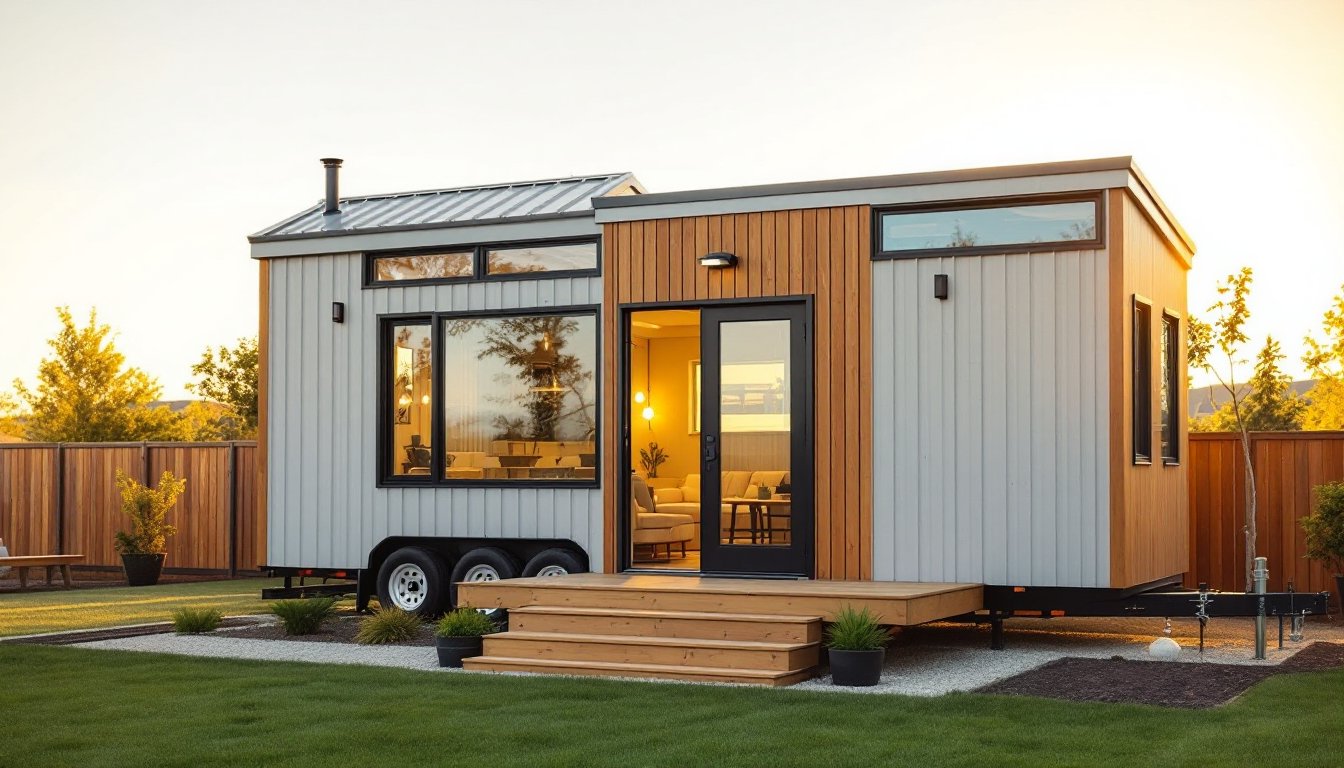
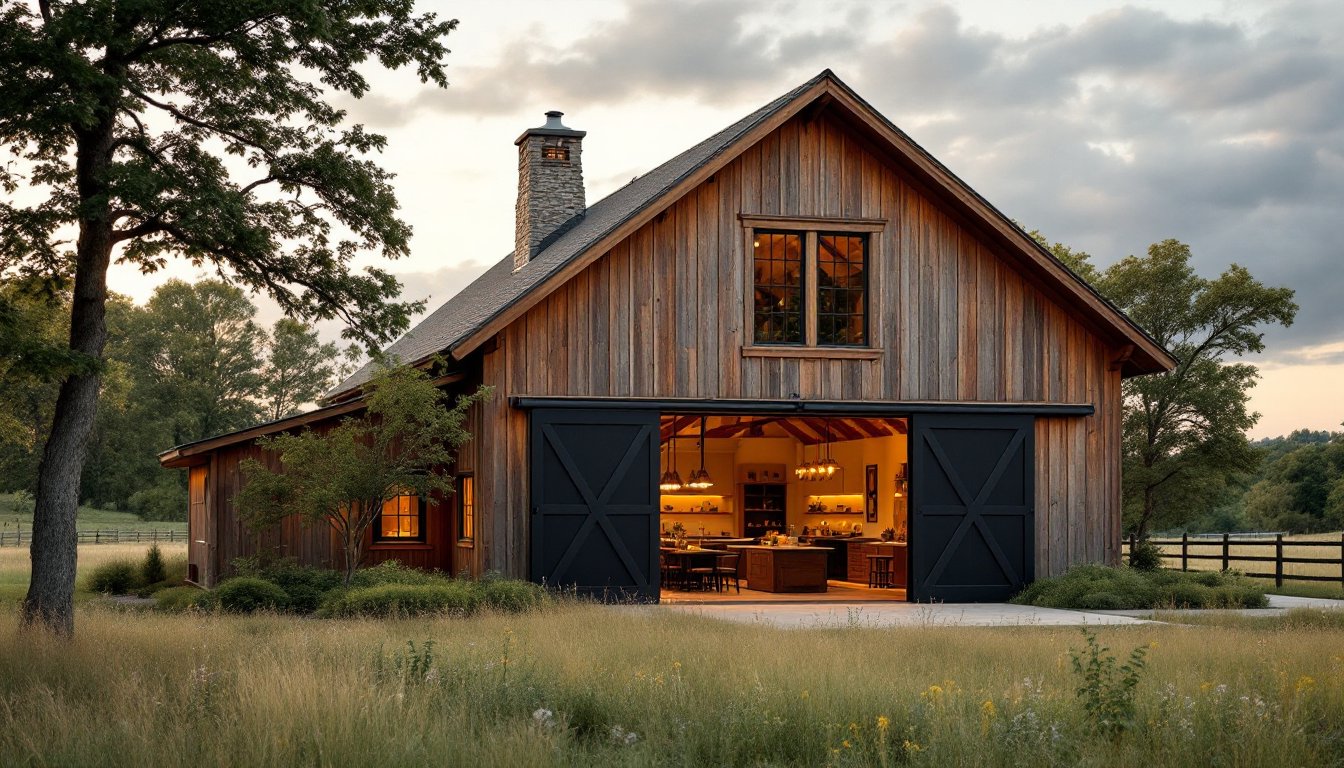
Small barn homes have shifted from romantic curiosities to legitimate housing solutions. Homeowners tired of sprawling square footage and inflated utility bills are discovering that converting a restored barn or building a barn-style tiny home offers authentic character without sacrifice. Whether you’re eyeing a century-old structure in the countryside or a new construction designed to mimic agricultural vernacular, barn homes deliver a unique blend of open-plan living, exposed timber details, and practical function. The trend reflects a broader movement toward sustainable, intentional living, and the DIY potential makes them especially appealing to hands-on renovators willing to tackle structural and aesthetic challenges.
Table of Contents
ToggleKey Takeaways
- Small barn homes cost 20–40% less than new construction, making adaptive reuse an affordable alternative for homeowners seeking authentic character and sustainability.
- Two barn home categories exist: authentic conversions of historical barns (typically 1,500–3,000 sq. ft.) and new construction built in barn aesthetic with modern codes and energy efficiency.
- Successful barn home layouts rely on strategic zone definition through furniture, flooring changes, lofts, and partial walls to maximize the signature open floor plan without sacrificing privacy or functionality.
- Barn conversions demand transparent budget planning, with shell renovations running $75–$150 per sq. ft. and fully finished homes reaching $150–$250+ per sq. ft.; professional structural assessment prevents hidden cost surprises.
- A barn home lifestyle requires flexibility: consider climate challenges, rural location trade-offs, internet access, and whether an open plan suits your work-from-home needs and privacy preferences before committing.
- Touring existing barn conversions and speaking directly with owners reveals practical insights about seasonal energy costs, layout functionality, and maintenance that are critical to confirming barn living is right for you.
What Are Small Barn Homes?
Small barn homes fall into two categories: authentic conversions of working or historical barns, and new construction built in barn aesthetic. An authentic conversion typically starts with a weathered post-and-beam structure, often 1,500 to 3,000 square feet, that’s retrofitted with modern utilities, insulation, and living spaces. New barn-style builds mimic that look: soaring ceilings, a gambrel or gable roof, and large sliding doors, but with modern framing codes and energy efficiency built in from the start.
The defining features are structural: exposed beams, open floor plans created by removing interior walls, tall ceilings that make small spaces feel expansive, and the iconic barn siding (wood, metal, or board-and-batten). Many small barn homes land in the 800–2,000 square foot range, closer to a generous tiny home than a traditional house. This footprint appeals to empty nesters, couples, and small families seeking low-maintenance living without cramped quarters.
What distinguishes a barn home from a modern cottage is its industrial honesty. You’ll see original or restored structural members, raw materials celebrated rather than hidden, and a layout that respects the building’s historical proportions and quirks.
Why Barn Conversions Are Gaining Popularity
The appeal comes down to cost, sustainability, and lifestyle. A barn conversion can cost 20–40% less than new construction on equivalent square footage, especially if you’re willing to sweat equity into demolition, framing, and finishing. Existing structures, particularly those already on rural land, skip the site-prep and foundation work that eats budgets on new builds.
From a sustainability standpoint, adaptive reuse beats tearing down and starting fresh. The embodied energy in an old timber-frame barn is substantial: repurposing it avoids landfill waste and honors the building’s history. Modern barn homes also benefit from energy-efficient upgrades: new insulation, high-performance windows, heat pumps, and proper ventilation make them as efficient as new construction, while retaining the charm of aged wood and industrial details.
Culturally, small barn homes align with the broader tiny home movement and the appeal of rural living. People are questioning whether they need 4,000 square feet of space to clean and heat. A barn home delivers that rustic, connected-to-land feeling while keeping utility costs and maintenance manageable. Plus, unlike cookie-cutter subdivisions, each barn conversion tells a story, original joinery, hand-forged hardware, the weathered patina of decades, that mass-produced construction can’t replicate.
Design Styles and Aesthetics
Modern vs. Traditional Barn Design
Traditional barn design honors the building’s agricultural roots. Rough-hewn timber, whitewashed or stained wood siding, wide-plank flooring, and minimal ornamentation define the look. Interior walls stay open: a massive stone or metal fireplace anchors the living area. Kitchen and sleeping lofts nestle into the upper eave or a side section, leaving the center soaring and uncluttered. Think lived-in farmhouse warmth: quilts, cast iron, vintage signage.
Modern barn design strips back the rural nostalgia and leans minimalist. Exposed beams are clean and uniform: siding is either sleek metal or precision-milled wood. Interiors feature concrete floors, stainless-steel fixtures, floor-to-ceiling glass on one or two walls, and Scandinavian-influenced furniture. The barn envelope becomes a shell for contemporary living, high ceilings and open plans, but with a sparse, gallery-like feel.
Hybrid designs split the difference: original timber structure and weathered siding paired with a clean modern interior, large windows, and contemporary finishes. This approach preserves character while avoiding the risk of looking like a theme park version of country living.
Regional trends also matter. Southern barn conversions often draw from plantation and colonial vernacular, with wide porches, tall shutters, and deep eaves for shade. Northeastern conversions celebrate Colonial-era timber joinery and stone foundations. Western barn homes embrace industrial metal and raw wood. Consider your locale’s building traditions when planning aesthetic details: homes that reflect their region feel authentic rather than copied.
Budget Considerations and Renovation Costs
Barn conversion costs vary wildly based on the structure’s condition, size, and location. A shell conversion, bringing systems up to code with basic finishes, runs $75–$150 per square foot. A fully renovated, move-in-ready barn home lands at $150–$250+ per square foot. For a 1,500 sq. ft. barn, that’s $112,500–$375,000+. New barn-style builds cost $120–$200 per sq. ft., comparable to custom home construction.
Major cost drivers include:
- Structural repairs: Replacing rotted sill plates, reinforcing joists, and addressing settling can eat $15,000–$50,000+.
- HVAC and plumbing: Running systems through an existing structure is costlier than new construction: allow $12,000–$25,000.
- Roof restoration: Replacing decking, underlayment, and shingles on a large barn roof is expensive: budget $8,000–$20,000+.
- Insulation and weatherproofing: Critical in older barns with thin walls: expect $10,000–$25,000 for blown-in cellulose, vapor barriers, and sealing air leaks.
- Permits and inspections: Vary by jurisdiction but often run $2,000–$8,000 for a significant conversion.
Honestly assess whether you’re DIY-capable. Roofing, electrical, and plumbing almost always require licensed professionals and inspections. Framing, siding, interior finish, and painting are realistic DIY tasks if you’re handy. Skipping a professional structural assessment to save money is a false economy: you may miss foundational issues that compound later.
Get multiple bids from contractors and architects who’ve done barn conversions. Their experience spotting hidden costs (rotted framing hidden behind exterior cladding, undersized foundations, pest damage) is worth the consultation fee.
Interior Layout and Space Optimization
The open footprint is a barn home’s calling card and its challenge. Without interior walls, defining zones requires strategy: furniture placement, flooring changes, partial walls, and lighting. Use area rugs to anchor a living room: a different finish (dark stained wood vs. polished concrete) signals a kitchen zone. Half-walls or sliding barn doors create separation without closing off sightlines, letting you carve out a sleeping loft or home office while preserving the soaring feel.
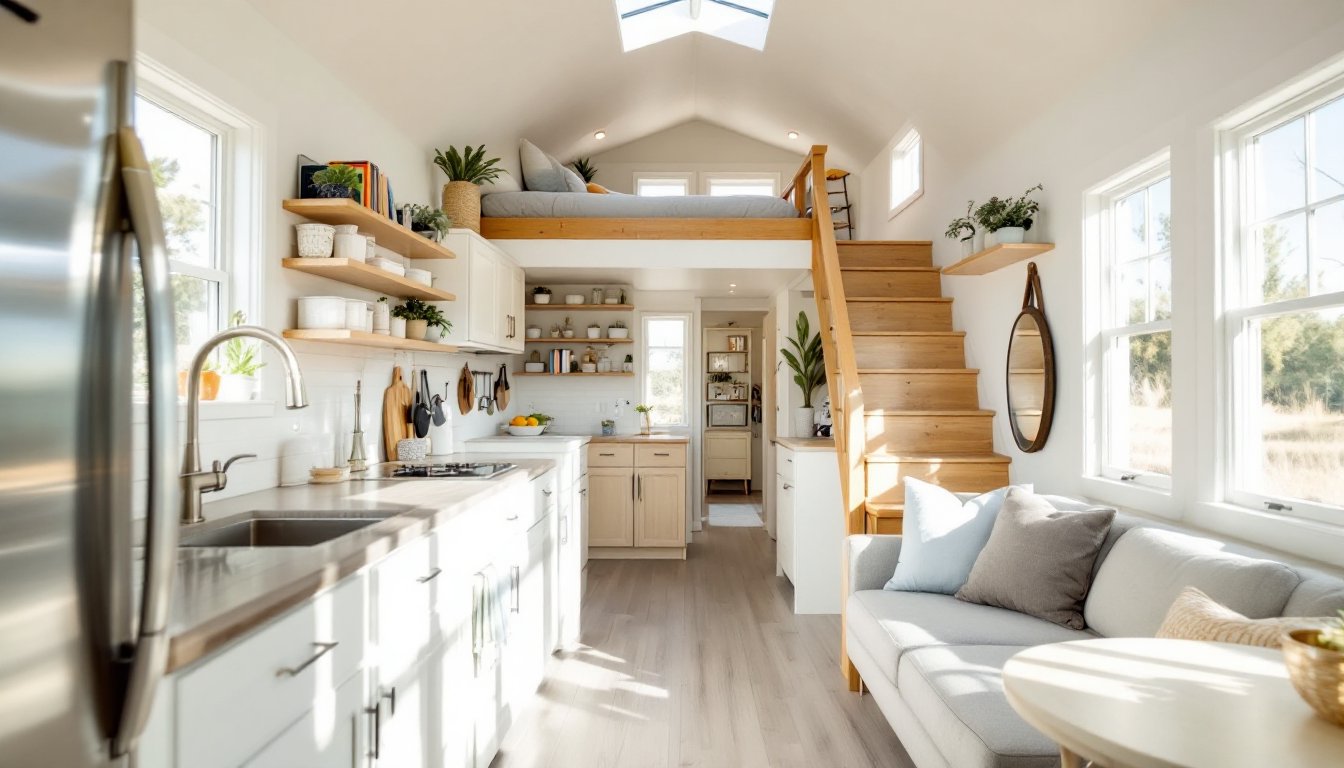
Vertical space is your best friend. Lofts, mezzanines, and upper-level sleeping areas liberate floor square footage. A bedroom loft tucked under the barn’s gable adds 200–300 sq. ft. of sleeping/storage without eating into the main level. Tall shelving, wall-mounted storage, and built-in cabinetry pull double duty, functional and sculptural against those big timber walls.
Small barn homes demand efficient kitchens. Open shelving and a modest footprint still feel spacious if you resist clutter. An island can define the kitchen zone while providing work surface and seating. Position your sink to face the main living area if possible: it prevents the cook from feeling isolated.
Lighting transforms a barn interior. Pendant lights suspended from beams, track lighting following the roof line, and strategically placed table lamps create intimacy in an otherwise cavernous space. Task lighting (under-cabinet in kitchens, reading lamps) makes the space feel intentional and lived-in, not museum-like.
One caveat: open plans can feel cold and echoing if not carefully furnished. Soft furnishings, upholstered seating, heavy curtains, rugs, absorb sound and prevent your home from sounding like a parking garage. Don’t leave it bare just because the structure is dramatic.
Making Small Barn Homes Work for Your Lifestyle
A barn home is only a good fit if it aligns with how you actually live. If you work from home or run a small business, the open plan and high ceilings create a inspiring workspace. If you host large gatherings, the flexibility to arrange seating and serve from a central kitchen is ideal. If you crave quiet and privacy, test a barn layout before committing, loft bedrooms may feel connected to the living area when you want to decompress.
Consider climate and season. Barns with large windows are beautiful but demand thermal discipline in winter (draft management, heating zones) and summer (shading, ventilation). If you’re in a cold climate, ensure insulation is robust and heating zones let you close off unoccupied spaces. In hot climates, overhangs, operable skylights, and cross-ventilation are non-negotiable.
Rural location brings trade-offs. Land is cheaper and views are expansive, but you’re commuting to jobs, schools, and services. Internet speed matters more than ever: confirm broadband or cell coverage before buying. Septic systems, well water, and propane delivery come with their own maintenance rhythms and costs. Factor these into your lifestyle reality, not just the romance of country living.
Walking through existing barn conversions and restored structures is invaluable. Talking to owners about what works and what they’d change reveals practical insights no design magazine can offer. Ask about seasonal energy bills, how the open plan functioned during COVID lockdowns, and whether they regretted any layout choices.
You can also explore tiny homes for sale with land to compare barn homes against other small-footprint options. Some buyers find that a traditional tiny home or cottage is a better fit than barn conversion complexity, and that’s wisdom worth discovering before committing $200,000+ and two years of renovation.
Final thought: barn homes suit people who are willing to adapt rather than demand the space adapt to them. If you’re flexible on layout, comfortable with visible structure and seasonal variation, and genuinely excited by the idea of living in a restored or barn-style home, you’re a barn person. If you’re looking for a pristine, maintenance-free home that needs nothing, keep looking.