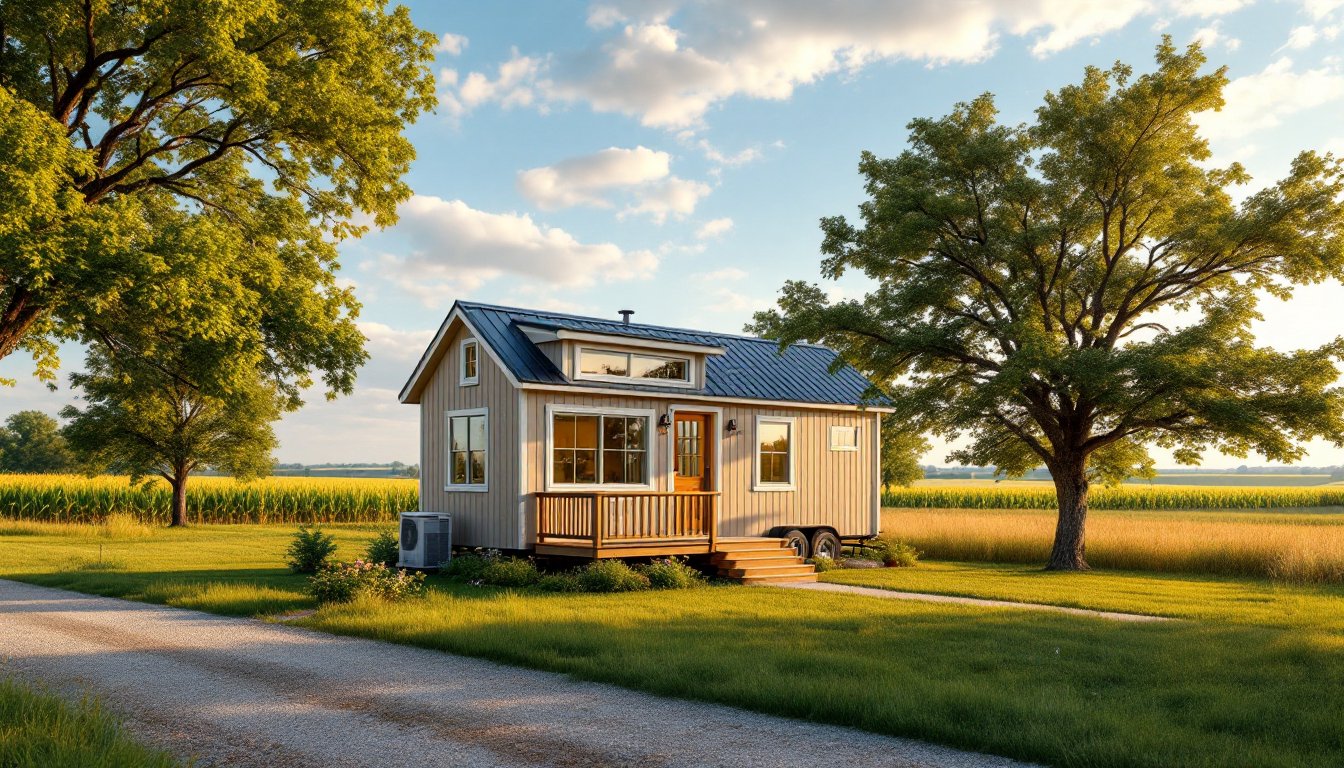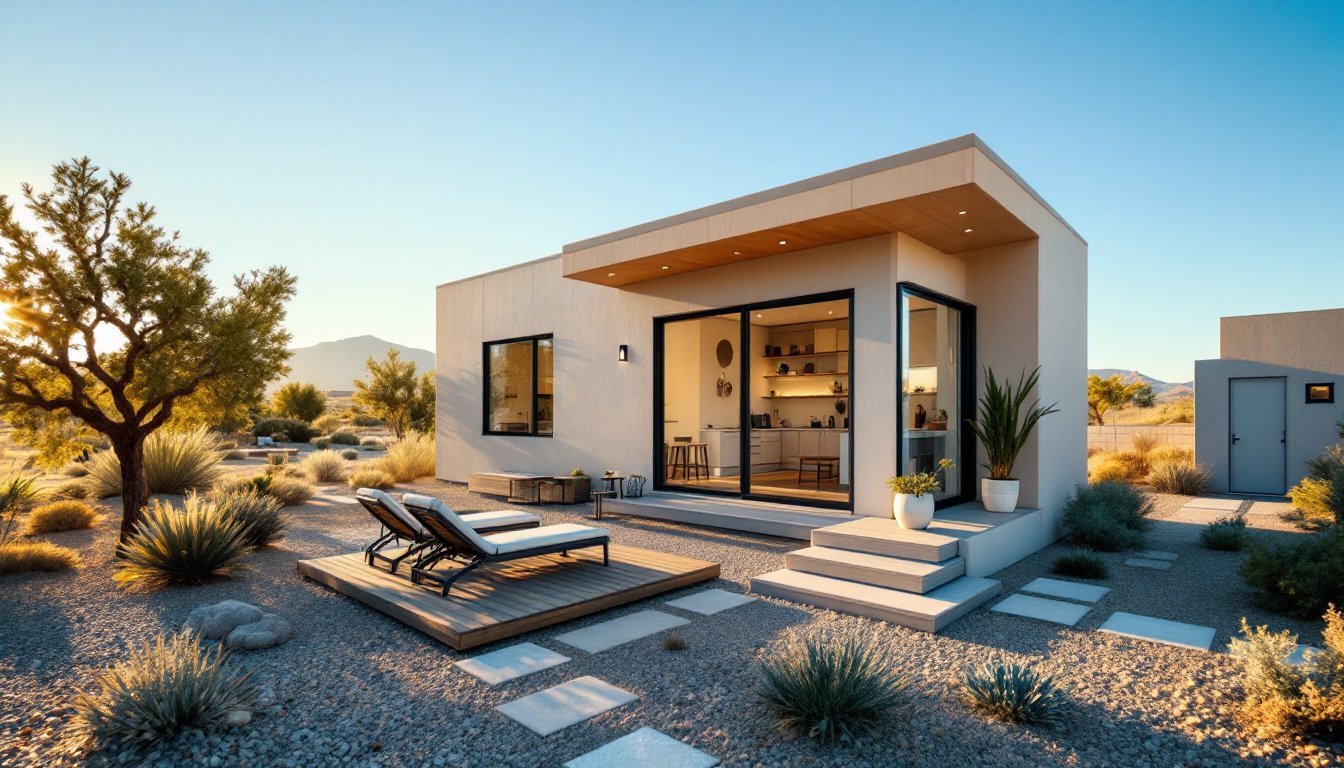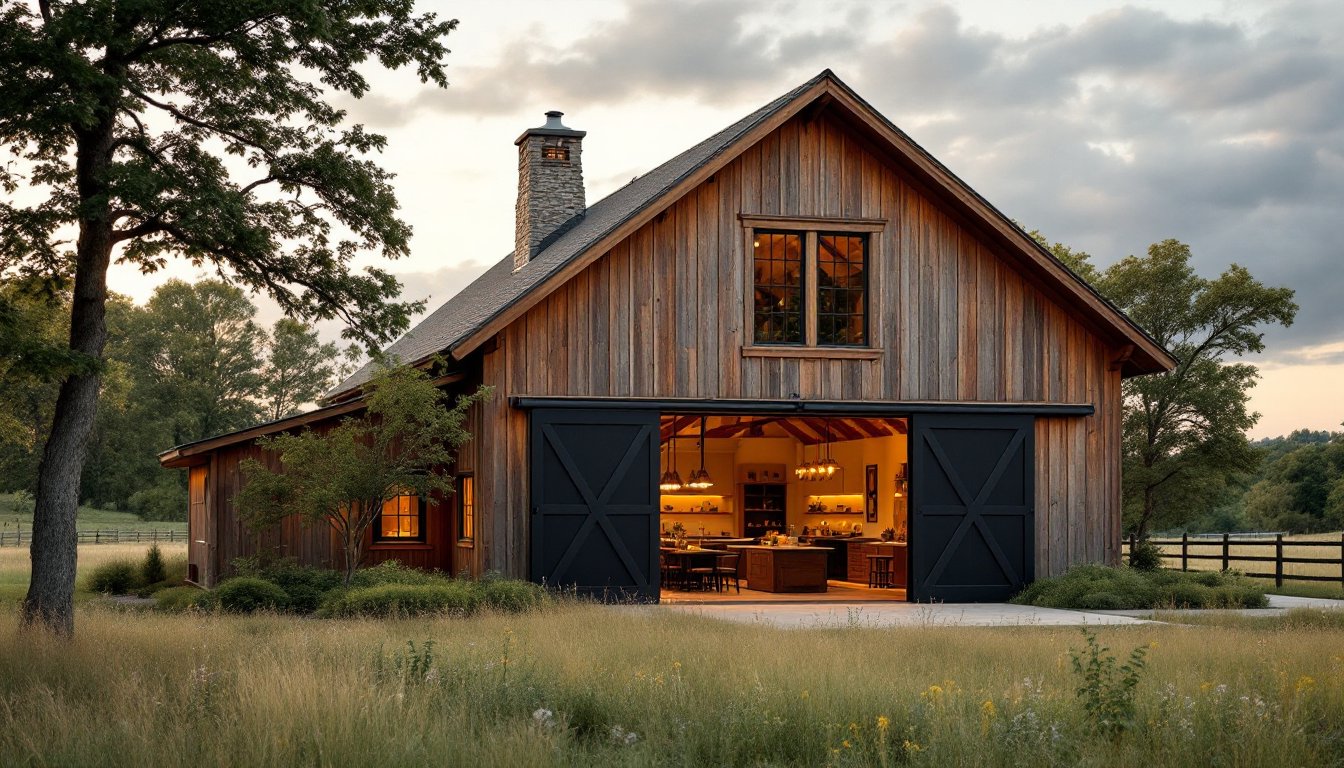
Tiny house living has moved from niche trend to mainstream reality. Whether you’re drawn to the financial freedom, reduced environmental footprint, or simply the appeal of a space that’s easier to maintain, building a tiny home requires thoughtful planning. The difference between a cramped box and a genuinely livable compact home lies in the design, how you allocate every square foot, arrange storage, manage utilities, and choose your construction approach. This guide walks you through the essentials of tiny house plans, from foundational design principles through material selection, giving you the knowledge to make decisions that fit your lifestyle and budget.
Table of Contents
ToggleKey Takeaways
- Successful tiny house plans prioritize intentional design over square footage; a well-planned 250-square-foot home can feel larger and more functional than a poorly designed 400-square-foot one.
- Effective tiny house plans must integrate vertical storage solutions such as wall-mounted shelving, overhead cabinets, and under-bed storage to transform compact spaces into fully functional living areas.
- Choose between single-level designs for accessibility and simplicity, lofted layouts to maximize sleeping space overhead, or multi-story configurations for a residential feel, depending on your lifestyle and local building codes.
- Smart material selection—whether stick framing, metal framing, or SIPs—directly impacts cost, durability, and energy performance; prioritize quality insulation with R-30 to R-40 ratings in cold climates to maintain comfort in high surface-area-to-volume ratios.
- Essential features like galley kitchens, wet room bathrooms, and shared utility walls minimize construction complexity and plumbing costs while maximizing livable space in tiny homes.
Understanding Tiny House Design Fundamentals
A tiny house typically measures between 100 and 400 square feet, though some definitions cap out at 500 square feet. The key isn’t the absolute size, it’s intentional design. Start by defining your non-negotiable needs: sleeping areas, cooking space, bathroom, and storage. These core functions must work ergonomically before you add anything else. Building codes vary by jurisdiction, but most require ceiling heights of 8 feet minimum in living spaces and 7 feet in bedrooms (check your local building department). Loft spaces often have lower clearance rules, typically 3 feet at the edge, 5 feet in the center. These requirements directly impact your floor plan, so don’t skip them during the planning phase. When designing, think vertically. Wall-mounted shelving, overhead cabinets, and under-bed storage transform tiny spaces from suffocating to functional. A well-designed 250-square-foot home can feel larger than a poorly planned 400-square-foot one, largely because good layouts eliminate wasted hallway space and create visual flow. Natural light matters too, windows and skylights make compact rooms feel less claustrophobic and reduce reliance on artificial lighting during the day.
Popular Tiny House Floor Plans and Layouts
Efficient Single-Level Designs
Single-level plans work best if mobility, aging-in-place, or simple construction is a priority. An efficient single-story layout typically clusters wet spaces, kitchen and bathroom, along one wall or corner to minimize plumbing runs, which saves money and reduces complexity. Living areas flow into sleeping areas without unnecessary hallways. A popular option places the main bedroom at one end, with a smaller guest nook or loft ladder access at the opposite end. Kitchen and bathroom share a common wall. This arrangement keeps pipes, ventilation, and electrical runs efficient. Single-level designs also eliminate stairs, which consume valuable floor space and complicate framing. But, they demand creative storage solutions since there’s less vertical space to use. Open shelving, pullout drawers, and multi-functional furniture become essential. If you’re exploring designs built for accessibility, wheelchair accessible tiny options follow this single-level approach, incorporating wider doorways and accessible routes that fit the compact footprint.
Lofted and Multi-Story Configurations
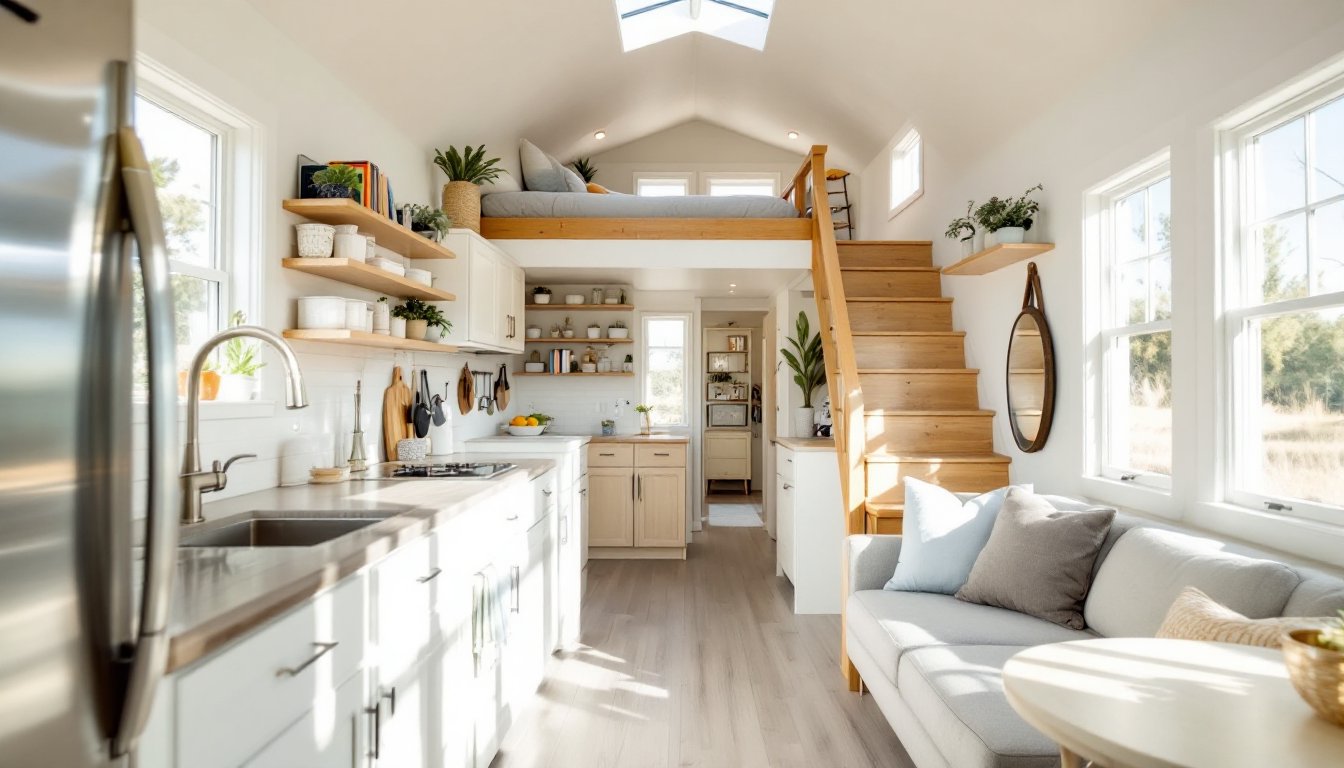
Lofted designs, with a sleeping area elevated above the main living space, are the classic tiny house layout. They solve the bedroom-square-footage problem by using overhead space. A 4-foot-tall loft above a living room adds a sleeping nook without consuming ground-level living area. The trade-off: climbing a ladder or steep stairs multiple times daily, lower headroom in the loft, and reduced ventilation if not planned carefully. Lofted plans work for individuals or couples without children or mobility concerns. Two-story tiny homes (truly stacked layouts, not just a loft) are less common but viable if you’re building on a permanent foundation and codes allow it. These designs separate sleeping upstairs, living downstairs, mimicking a small house rather than a mobile unit. Building inspector approval varies widely, some jurisdictions restrict lofts in mobile tiny homes, so verify code before committing. Multi-story designs also complicate HVAC and electrical systems because you’re distributing utilities vertically. That said, they reduce the footprint on your lot and can feel more residential than a single-story setup.
Essential Features to Include in Your Tiny Home Plan
Storage must be engineered into your plan, not added afterward. Built-in shelving above doorways, underseat storage in living areas, and pull-out pantries in kitchen nooks reclaim wasted space. Measure your lifestyle: how many clothes do you own, how often do you host guests, what hobbies require gear? Plan storage volume accordingly. A small coat closet that doubles as tool storage serves dual purposes. Smart kitchen design is non-negotiable. Galley kitchens, two parallel runs of counters and cabinetry, work well in narrow spaces. Island layouts demand more floor space and usually don’t suit tiny homes under 200 square feet. Opt for full-size appliances where possible: compact appliances look cute but often perform poorly and cost more per cubic foot of capacity. A standard 30-inch stove and refrigerator fit comfortably if you plan layout carefully. Bathrooms in tiny homes often combine fixtures efficiently: consider a wet room concept where the entire bathroom floor drains, allowing a compact shower-toilet-sink arrangement. This saves the space a traditional tub enclosure requires. Ventilation is critical, a quality exhaust fan linked to a timer prevents moisture buildup that rots framing. If you’re planning alternative materials like reclaimed wood, reclaimed wood tiny homes showcase how character materials integrate with efficient layouts. For mobile tiny homes, confirm weight limits and axle requirements early: structural materials affect mobile compliance and resale value.
Choosing the Right Materials and Construction Methods
Material choices affect cost, durability, thermal performance, and resale appeal. Stick framing (traditional 2×4 studs and plywood) remains the most common method because it’s familiar to builders, uses standard materials, and integrates easily with standard insulation and finishes. Stud spacing at 16 inches on center is code standard. If you’re building on a trailer, confirm frame specifications and weight limits before finalizing material selection. Metal framing using steel studs offers advantages for mobile builds, lighter weight, no shrinkage as the home seasons, and resistance to pests, but requires specialized tools and experience. SIPs (Structural Insulated Panels) combine framing, insulation, and air barriers into prefab panels, reducing on-site work and improving energy performance. They’re expensive upfront but speed construction and minimize thermal bridging. For a DIY approach, stick framing with quality insulation remains accessible. Insulation strategy directly impacts livability. Tiny homes heat and cool quickly because surface-area-to-volume ratios are high: excellent insulation prevents temperature swings. Spray foam provides superior air sealing (R-6 per inch), though closed-cell foam off-gasses and costs more. Fiberglass batts are budget-friendly but require meticulous air barriers to prevent convection. Consider your climate: cold regions demand R-30 to R-40 walls: hot climates benefit from reflective barriers and continuous exterior shading. The utilities in a compact footprint create efficiency challenges. Efficient tiny house insulation strategies and proper electrical setup are interconnected, good insulation reduces HVAC load, which simplifies electrical demand. Radiant heating works better than forced air in tiny spaces because no ductwork occupies floor area. If exploring mobile options, tiny house parking regulations affect where you can position your home, which impacts sun exposure and passive heating/cooling potential.
Conclusion
Building a tiny house demands clarity on priorities before you finalize plans. Honest assessment of your daily routines, storage needs, and construction capability shapes whether a single-level layout, lofted design, or stacked configuration suits you best. Material choices ripple through cost, timeline, and long-term performance, there’s no universal “best” option, only the right fit for your situation. Start with a detailed floor plan that addresses building codes in your jurisdiction, allocates storage thoughtfully, and orients utilities efficiently. Whether you’re tackling construction yourself or hiring professionals, a well-thought-out plan saves money, time, and frustration. Your tiny home should feel spacious by intention, not merely cramped by circumstance.