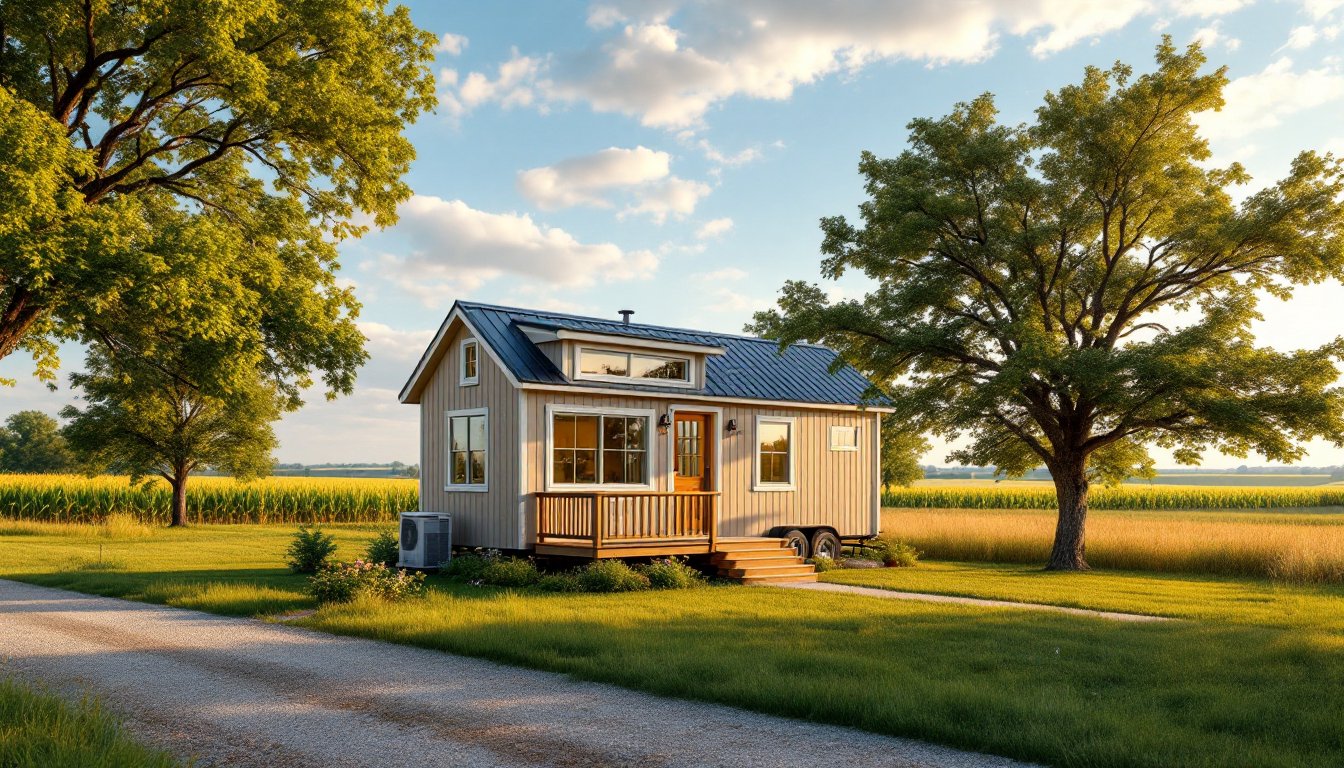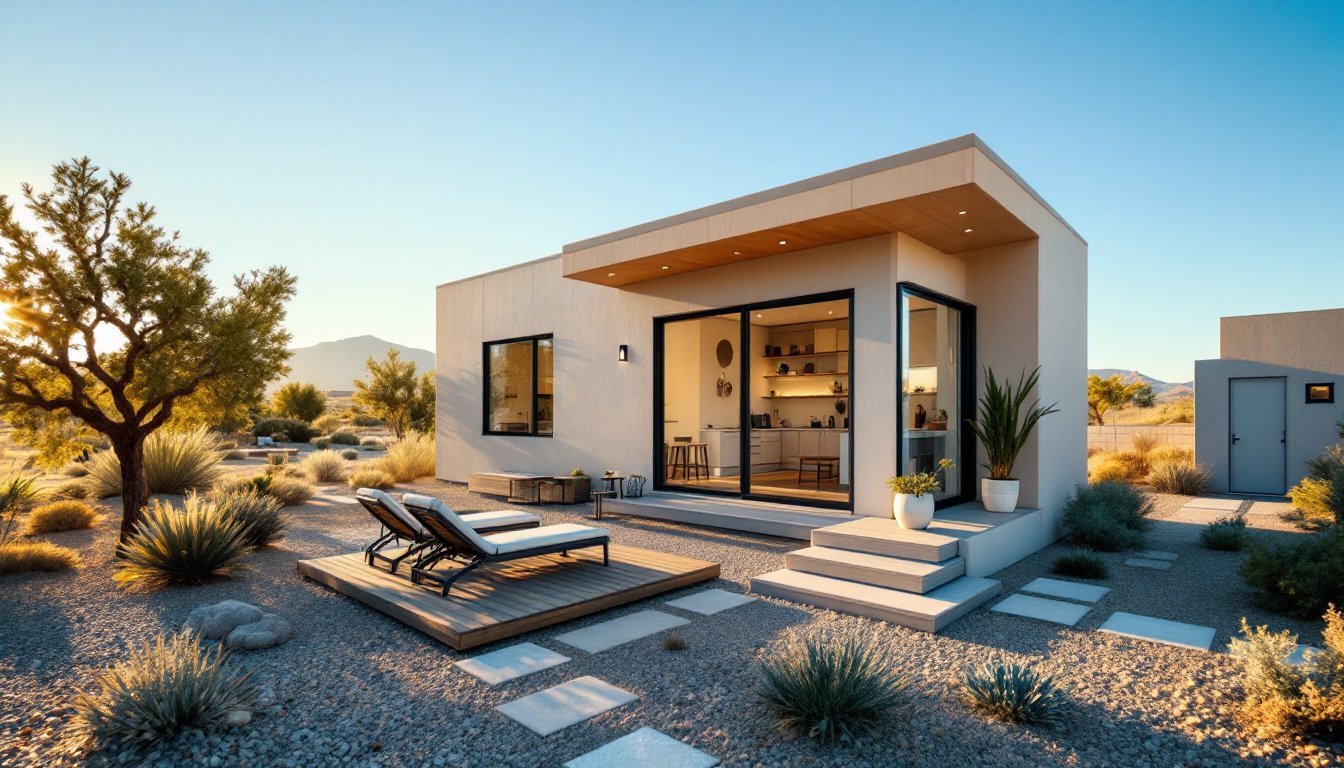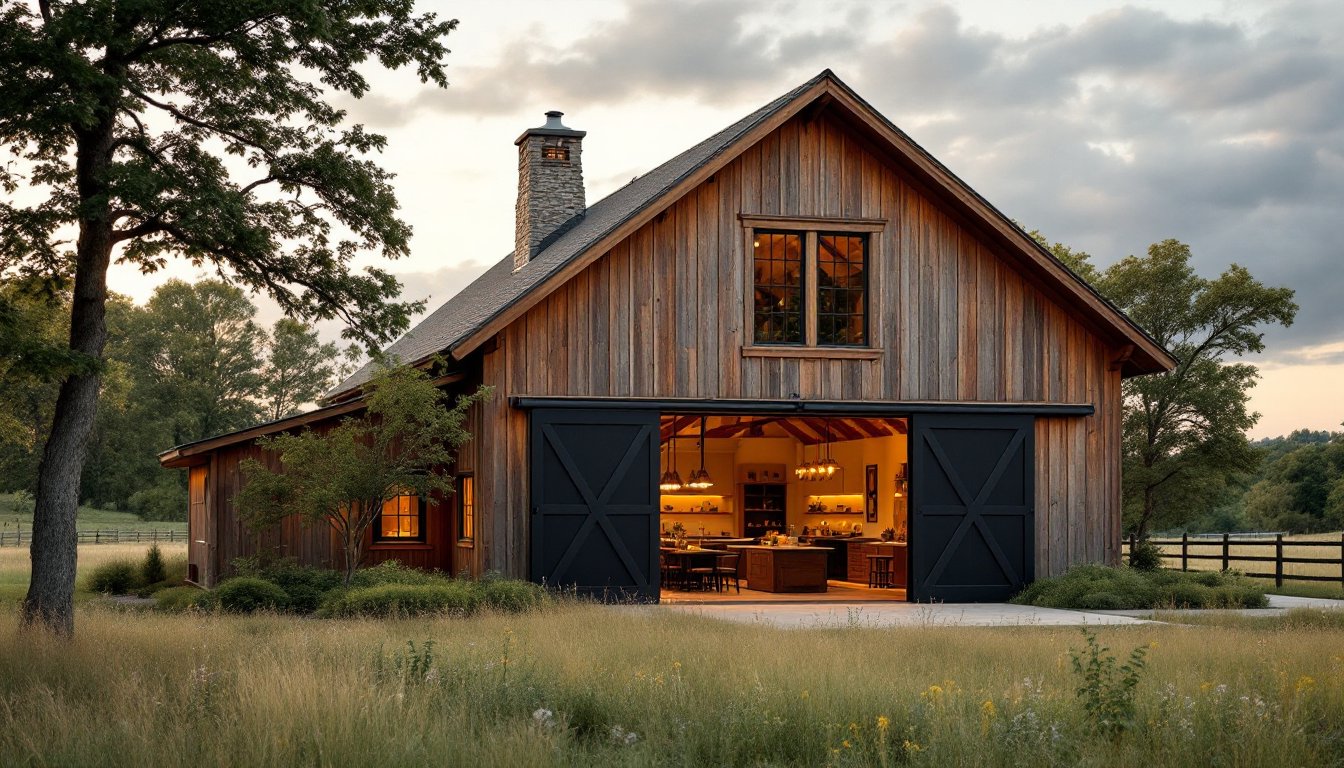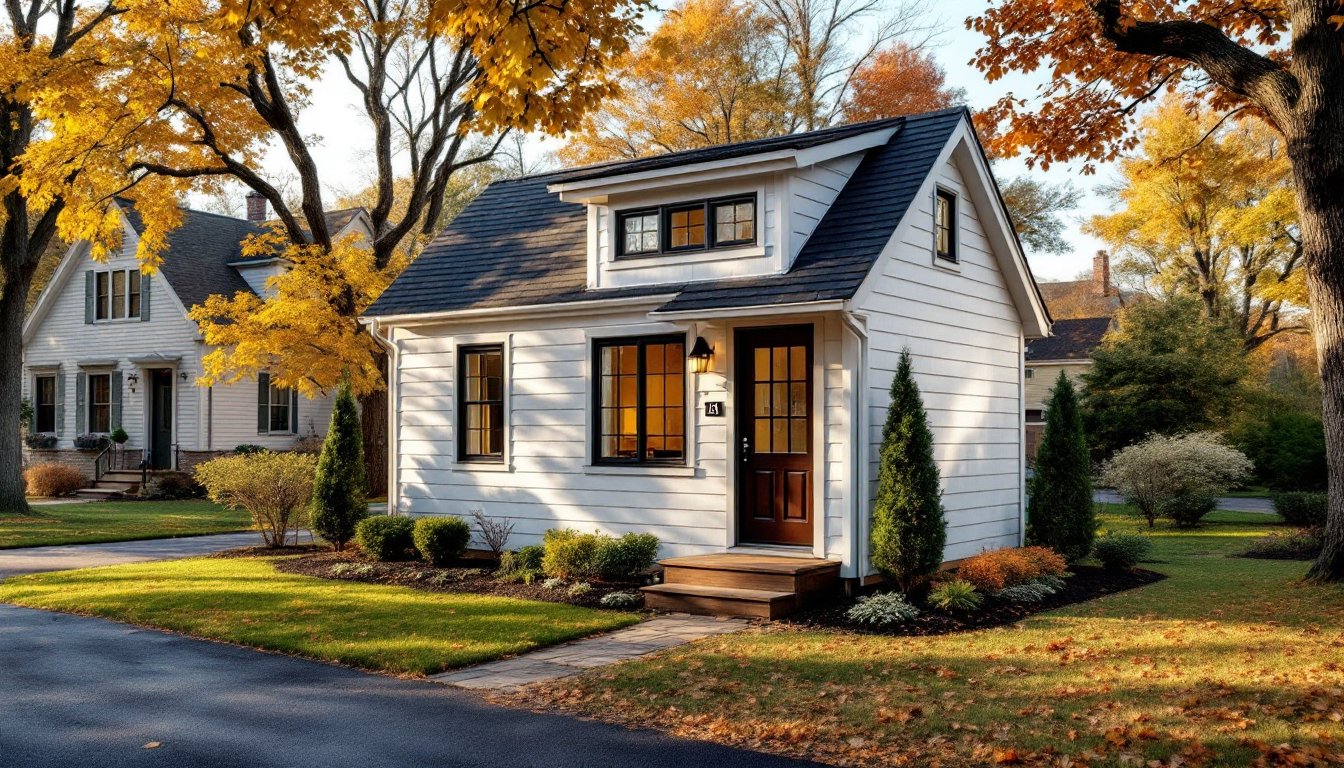
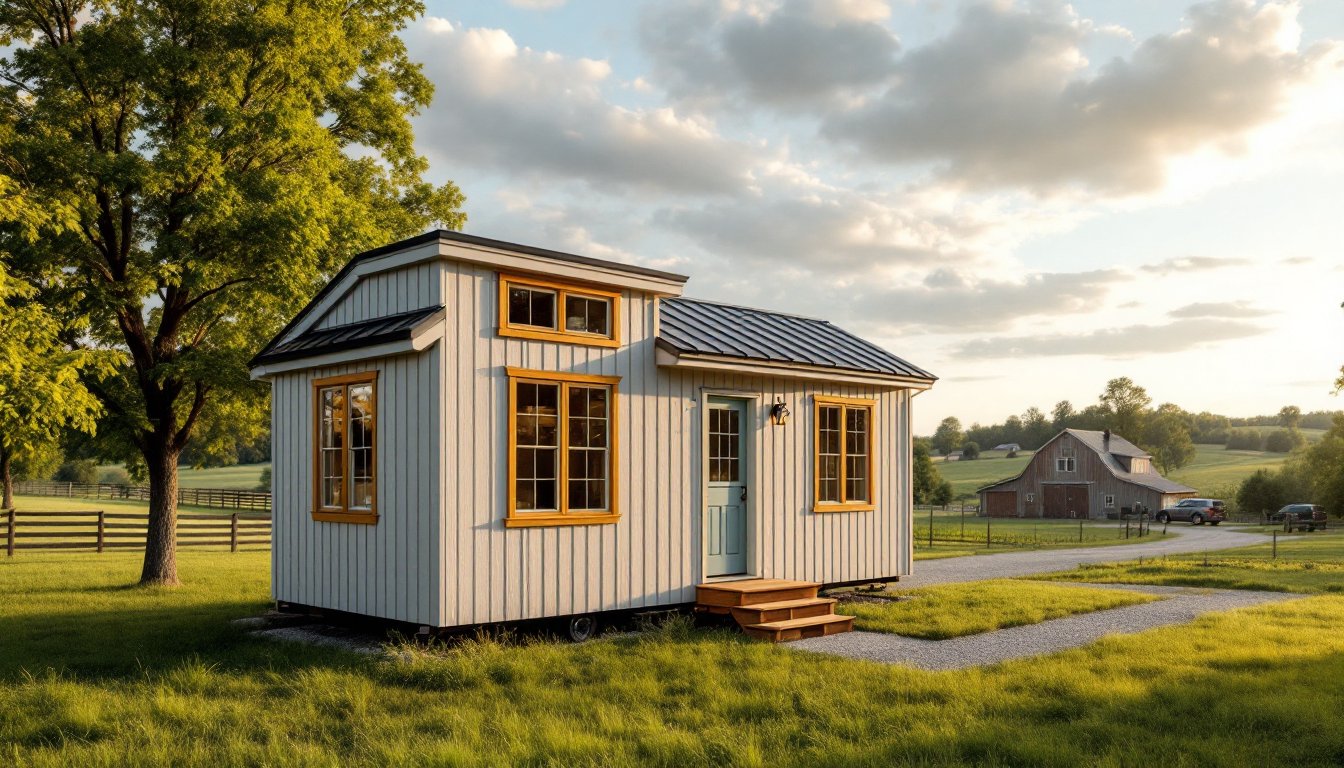
Lancaster, Pennsylvania has quietly become one of the nation’s most compelling markets for tiny home buyers. Nestled in the heart of Amish country, this region offers a unique blend of rural charm, strong community values, and affordable real estate that appeals to minimalists, sustainability-minded homeowners, and anyone seeking a simpler lifestyle. Tiny homes in Lancaster provide an escape from sprawling suburban developments while keeping you close to nature, local culture, and a cost of living that won’t drain your bank account. Whether you’re drawn to the idea of downsizing or stepping onto the property ladder for the first time, Lancaster’s growing tiny home landscape is worth exploring.
Table of Contents
ToggleKey Takeaways
- Tiny homes in Lancaster, PA offer an affordable entry point to homeownership, with prices typically ranging from $85,000 to $180,000, significantly below national real estate averages.
- Lancaster’s strong agricultural heritage, proximity to Philadelphia and Baltimore (90 minutes and 1 hour respectively), and sustainable building culture create an ideal environment for tiny home living.
- Smart design strategies like open floor plans, vertical storage, multifunctional furniture, and natural light are essential for maximizing the functionality of 400-600 square feet.
- Popular neighborhoods for tiny homes include the East Side of Lancaster city, plus villages like Lititz, Denver, Ephrata, and Akron, each offering different lifestyle balances from urban to rural.
- Before purchasing a tiny home, verify local zoning regulations, work with specialized real estate agents and home inspectors familiar with small properties, and ensure financing is pre-approved.
- Property taxes and utilities are significantly lower for tiny homes, making long-term ownership costs substantially less than traditional housing despite comparable initial prices.
Why Lancaster, PA Is Becoming a Tiny Home Hub
Lancaster’s appeal as a tiny home destination stems from several converging factors. The region’s strong agricultural heritage and commitment to preserving open space align perfectly with the ethos of tiny home living, less consumption, more connection to land and community. Real estate prices here remain significantly below the national average, making down payments and monthly mortgages far more manageable than in urban centers or coastal regions.
The local culture also embraces practical, no-nonsense living. The Amish and Mennonite communities that shape Lancaster’s identity have long practiced sustainable, resource-conscious building methods. This mindset has influenced newer residents and developers who’ve brought attention to energy-efficient construction, quality craftsmanship, and thoughtful design. Also, Lancaster’s proximity to Philadelphia (about 90 minutes) and Baltimore (just over an hour) makes it accessible to major employment hubs without requiring you to live in dense urban cores where tiny homes often command premium prices.
Popular Neighborhoods and Communities for Tiny Homes
Several neighborhoods in and around Lancaster have emerged as micro-hubs for tiny home development. The East Side of Lancaster city has seen revitalization efforts that include modern tiny home renovations in historically modest neighborhoods, offering authentic urban living at a fraction of traditional housing costs.
Outside the city, areas like Lititz and Denver cater to buyers seeking a village atmosphere with nearby amenities. These towns maintain Lancaster County’s character while offering slightly more infrastructure and shopping than rural outskirts. Ephrata and Akron, further out, appeal to those who want genuine countryside living, larger lots, more privacy, and direct access to farmland and natural areas.
Many developers are also working with local municipalities to approve tiny home communities (sometimes called pocket neighborhoods), where clusters of small houses share common green spaces. These developments preserve the intimacy of tiny home living while building social connection among residents. If you’re interested in established communities, suburban tiny homes offer a helpful look at how these neighborhoods operate in practice.
Cost of Tiny Homes in Lancaster and What to Expect
Pricing for tiny homes in Lancaster typically ranges from $85,000 to $180,000 for new or recently renovated units, depending on square footage, finishes, and location. A 400-square-foot new tiny home might run $100,000 to $120,000: a 600-square-foot model could reach $160,000 to $180,000. Older, smaller homes needing cosmetic work can sometimes be found for $60,000 to $80,000, though you’ll need to factor in renovation costs.
Land prices vary widely. Rural properties with a tiny home already sited might cost $140,000 to $200,000 total, while bare land in Lancaster County averages $8,000 to $15,000 per acre depending on zoning and utilities. When budgeting, account for site prep, septic or connection to municipal sewer, well drilling, driveway, and utility runs, these can add $20,000 to $40,000 before construction begins.
Financing options are evolving. Some traditional lenders now offer mortgages for tiny homes: others classify them as personal property rather than real estate, which can complicate lending. FHA loans sometimes work, but requirements vary by lender and property type. Planning to buy? Resources like HomeAdvisor can help you estimate true project costs and connect with local contractors familiar with the market.
Note that property taxes and utilities are generally lower for tiny homes, so your long-term cost savings can be substantial even if the initial purchase price is close to a traditional small home.
Design and Interior Layout Tips for Lancaster Tiny Homes
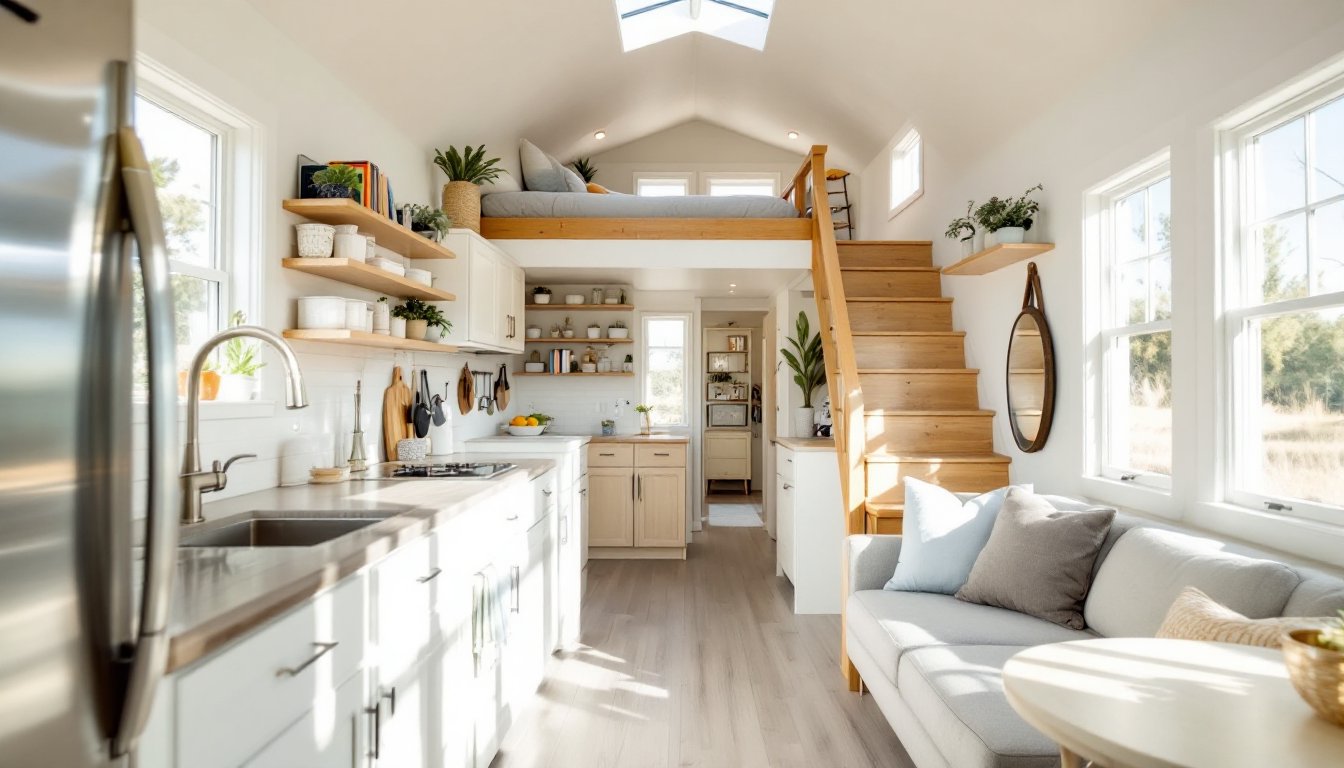
Tiny homes demand intentional design. Lancaster’s local builders and custom home designers increasingly understand this, many incorporate strategies borrowed from the minimalist and Scandinavian design movements. Open floor plans that blend kitchen, dining, and living areas make 400–500 square feet feel spacious and functional.
Vertical storage is essential. Ceiling-height shelving, built-in cabinetry, and wall-mounted solutions eliminate wasted floor space. Multifunctional furniture, ottomans with storage, Murphy beds paired with work desks, kitchen islands that serve as dining and prep space, allows a single piece to earn its footprint.
Natural light is transformative. Larger windows and skylights aren’t just aesthetic: they psychologically enlarge a room. Many Lancaster tiny homes use this principle, especially in the main living areas. Paint color matters too: light, neutral tones (off-whites, soft grays) reflect light better than dark colors and reduce the sensation of confinement.
Built-in lofted sleeping areas or bedrooms positioned above the main living space (accessed by a compact tiny home ladder) are common in high-ceilinged Lancaster homes. This strategy preserves ground-level living and working areas while providing a private rest zone. If you have kids or plan for guests, a lofted bedroom becomes essential real estate.
Maximizing Space with Smart Storage Solutions
Storage failures doom tiny home living. Before moving in, audit what you actually own and commit to decluttering ruthlessly. Then, plan storage for what remains.
Under-stair cubbies, pantry pull-outs, and slim vertical racks for baking sheets or cleaning supplies reclaim dead space. Kitchen drawers with dividers keep utensils, spices, and small appliances organized rather than scattered across counters. Bathroom medicine cabinets, wall-mounted towel bars, and shelves above the toilet maximize often-overlooked areas.
Clothes storage is critical. A narrow closet with double-hanging rods, shelf dividers, and slim hangers (wood hangers take less width than plastic) dramatically increase capacity. Under-bed storage boxes work if you can fully access them: avoid creating inaccessible dead zones. Seasonal rotation, swapping winter coats for summer clothes twice yearly, keeps active wardrobes manageable.
Trusting your own items to open shelving rather than cabinets creates visual weight. Closed storage (drawers, cupboards, small armoires) keeps tiny spaces from feeling cluttered and overwhelming. The goal isn’t to hide everything but to balance openness with intentional organization.
Finding and Purchasing a Tiny Home in Lancaster
Start your search locally. Real estate agents in Lancaster who specialize in small properties or new construction understand zoning quirks and financing challenges unique to tiny homes. The Lancaster County real estate market moves quickly, online listings can sell within days.
Expand your search beyond MLS listings. Tiny home builders and community developers often have private waiting lists or direct sales channels. Attending local real estate investment groups or tiny home meetups (these are increasingly common in Lancaster) can surface off-market opportunities. Social media groups dedicated to Lancaster homebuying are also active and sometimes list properties before traditional advertising.
When you find a prospect, hire a home inspector who has examined tiny homes before. Standard inspection checklists sometimes miss issues relevant to small spaces, loft safety, unusual roof configurations, septic systems, and solar installations require specialized knowledge. Budget $300 to $500 for a thorough inspection.
Make your offer contingent on financing approval. Tiny home mortgages remain unusual enough that lender commitment is crucial before you commit. If purchasing land and building custom, ensure the builder holds the appropriate licenses and carries liability insurance. Many Lancaster builders work with reclaimed or salvaged materials, eco-friendly tiny homes built from reclaimed wood showcase how creative sourcing reduces environmental impact while supporting local artisans.
Finally, verify zoning. Lancaster County has diverse regulations. Some townships embrace tiny homes: others restrict minimum lot sizes or house dimensions. Confirm zoning compatibility before you invest emotional energy in a property. Checking with your local municipality takes an hour and saves enormous frustration later.
Design inspiration? Platforms like Dwell showcase innovative tiny home designs and modern living approaches that might spark ideas for your Lancaster home.
Conclusion
Tiny homes in Lancaster, PA represent genuine opportunity, not just a trend or Instagram aesthetic, but an affordable, practical path to homeownership and simpler living. The region’s values, affordability, and community spirit make it an unusually welcoming place to downsize. Whether you’re drawn by the lower costs, the cultural landscape, or the chance to live more intentionally, Lancaster’s tiny home market is mature enough to offer real options yet still growing. Start your search with local experts, understand the financing landscape early, and invest time in thoughtful design planning. Your next chapter might be waiting in a small, well-designed home in the heart of Amish country.