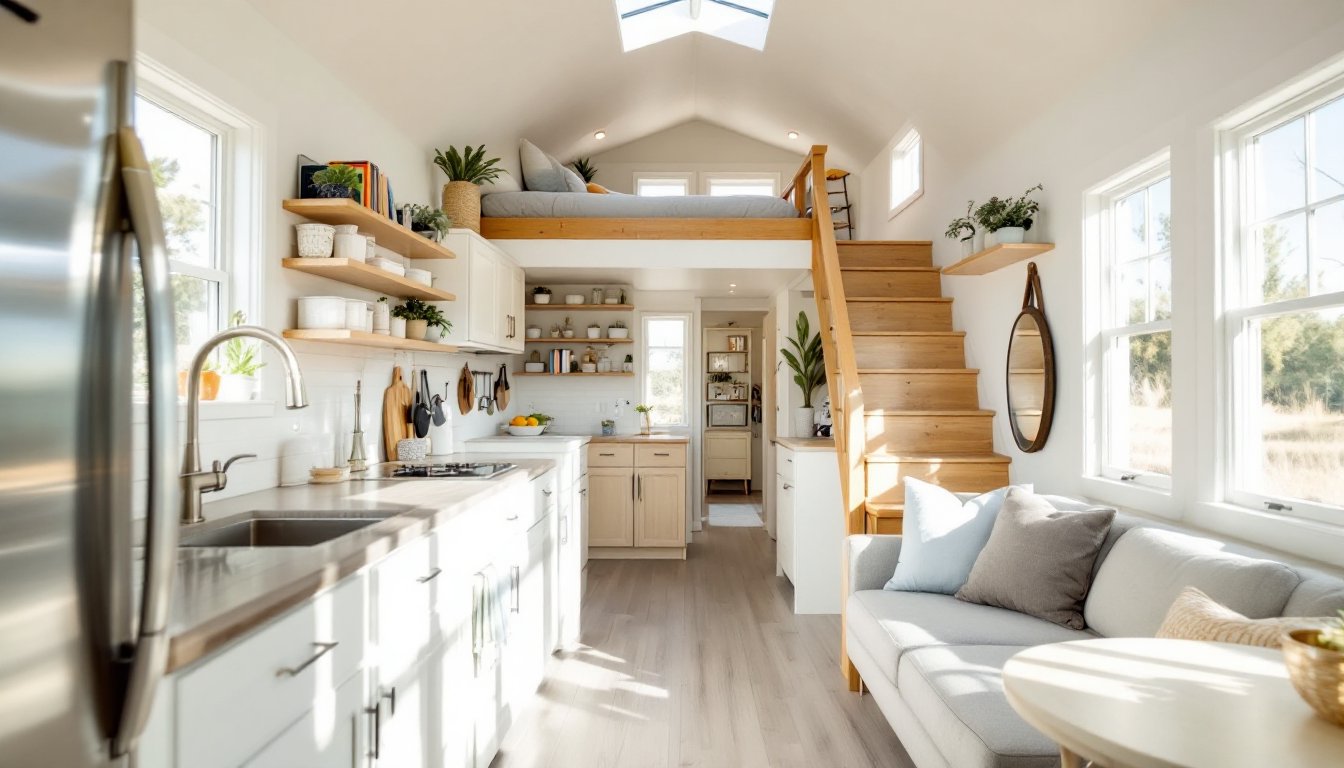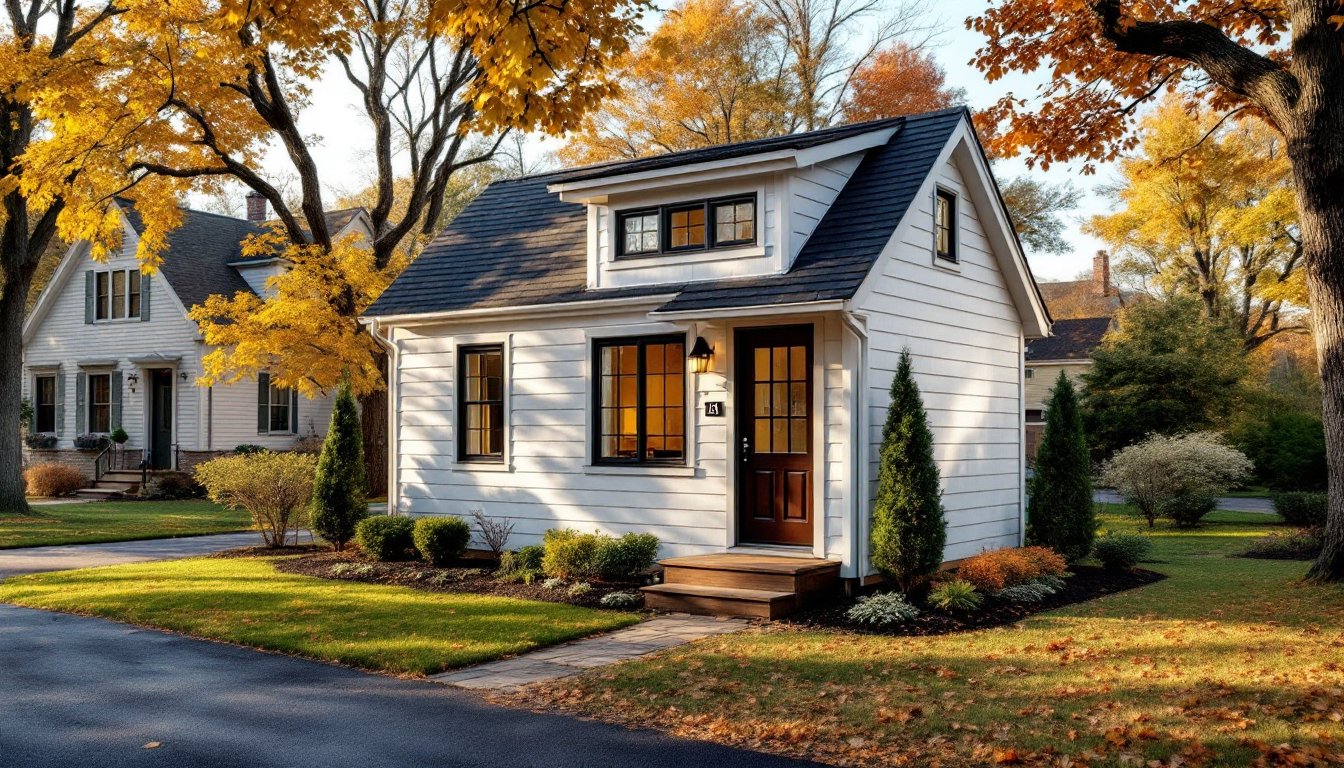

Living in a tiny house on wheels offers freedom and simplicity, but it demands smart design choices. Every square foot counts when your entire home measures under 400 square feet. The good news? Thoughtful interior planning transforms cramped quarters into comfortable, functional living spaces. Whether you’re downsizing for financial reasons, seeking a minimalist lifestyle, or simply craving mobility, mastering interior design fundamentals ensures your mobile home doesn’t feel claustrophobic. This guide walks through seven practical strategies, from multi-functional furniture to clever storage and lighting tricks, that help you reclaim living space while keeping things organized and visually open.
Table of Contents
ToggleKey Takeaways
- Master interior tiny house on wheels design by measuring usable floor space first, accounting for angled ceilings and built-in features that can reduce available square footage by 20–30 feet.
- Choose multi-functional furniture like ottomans with storage, Murphy beds, and nesting tables to eliminate the need for single-purpose pieces in your mobile home.
- Maximize storage vertically with floating shelves, under-bed bins, hidden compartments in bench seating, and overhead cabinets to keep your tiny house organized and clutter-free.
- Use light, neutral wall colors paired with layered lighting—combining overhead fixtures, wall sconces, and LED strip lights—to make your space feel larger and more open.
- Select furniture with visible legs and consistent material finishes throughout your interior to enhance the visual flow and prevent a cramped appearance.
- Plan your tiny house on wheels layout around traffic flow before purchasing furniture to avoid expensive moves and ensure functional daily living.
Understanding Tiny House on Wheels Design Fundamentals
Before buying a single piece of furniture, measure your actual usable floor space. Tiny houses often have angled ceilings, built-in appliances, and plumbing that consume more square footage than you’d expect. Grab a tape measure and document ceiling heights, doorway widths, and the space between load-bearing walls. The difference between nominal and usable space can be 20–30 square feet.
Design the layout around traffic flow first. In a small mobile home, moving from the bedroom to the kitchen shouldn’t require a puzzle-solving detour. Sketch your layout to scale on graph paper, then test it by walking the route. This prevents expensive furniture moves and buyer’s remorse.
Minimalism isn’t forced, it’s functional. Keep items that serve a purpose or genuinely bring joy. A tiny house amplifies visual clutter because there’s nowhere for your eyes to rest. Choose a cohesive color palette (three colors maximum), and stick with simple lines and finishes. This strategy doesn’t mean your space looks institutional: it means every object earns its place. Recent interior design guides for small spaces emphasize this principle: restraint creates calm.
Multi-Functional Furniture Solutions for Maximum Efficiency
The cornerstone of tiny house living is furniture that works double duty. A bed with under-storage drawers, a kitchen island that doubles as a dining table, or a sofa that converts into a guest bed, these pieces aren’t compromises: they’re necessities.
Convertible and Dual-Purpose Pieces
Ottomans with hidden storage are workhorses: seat, footrest, coffee table, and storage box in one. Standard 18-inch cube ottomans fit standard doorways and slide under most tiny house lofts. Look for models with removable tops or pull-out drawers rather than lids that swing and waste clearance.
Murphy beds or lofted sleeping platforms free up daytime floor space entirely. If you’re building custom, a standard queen mattress is 60 inches wide and 80 inches long, these dimensions are non-negotiable. Platform beds with drawers underneath offer storage that a traditional frame can’t match. Many tiny house owners use DIY woodworking plans scaled for mobile homes to create custom sleeping solutions that fit their exact dimensions.
Nesting tables stack when not in use but expand for meals or work. Folding chairs store vertically in closets. A kitchen table that folds against the wall or has drop-leaf extensions serves mealtimes without consuming permanent floor space.
When selecting furniture, prioritize pieces with legs rather than solid bases, even 4 inches of visible floor beneath a sofa makes the space feel larger. Measure doorways and ceiling clearance before ordering. A stunning piece is worthless if it can’t enter your home.
Storage Strategies That Keep Your Mobile Home Organized
In a tiny house, storage isn’t a luxury feature, it’s survival. Poor storage turns a cozy home into a cluttered shoebox. Plan storage at the design phase, not as an afterthought.
Vertical Storage and Hidden Compartments
Walls are your best friend. Floating shelves mounted at 16-inch center spacing (aligned with wall studs) hold decorative items, cookbooks, and personal goods without eating floor space. Install shelves up to the ceiling: the dead space above doorways and windows is prime real estate for overhead baskets or closed cabinets that hide seasonal items.
Under-bed storage is non-negotiable. Flat plastic bins on wheels slide easily and protect clothing from dust. Label everything, you’ll forget what’s in that third bin by December. Built-in cabinetry that wraps corners and spans wall heights maximizes every inch. If you’re renting or prefer not to modify the home, IKEA storage hacks offer affordable, portable solutions: narrow shelving units, bed risers with storage, and modular cabinet systems scale down beautifully.
Hidden compartments aren’t just clever, they’re necessary. Bench seating with lift-top lids stores extra bedding, off-season clothes, or tools. Stair risers (if you have lofted bedrooms) can be cut with hinged doors for storage access. Even the space under a kitchen sink becomes usable storage with pull-out trays and slim bin organizers.
Vertical dividers keep closet space usable. Hanging organizers, shoe racks on door backs, and shelf dividers prevent the inevitable avalanche when you grab one item. Vacuum-seal bags compress clothing by 50–75% and protect against mold in damp climates, critical for mobile homes parked in humid regions.
Color and Lighting Techniques to Open Up Your Space
Paint color and lighting orchestrate how large or cramped your tiny house feels. Light, neutral wall colors reflect available light and create visual breathing room. Soft whites, warm grays, and pale earth tones work better than bold accent walls in tiny spaces, they recede visually, making walls feel farther away.
Layered lighting eliminates shadows and dark corners that make small spaces feel smaller. A single overhead fixture creates harsh shadows. Instead, combine overhead fixtures with wall sconces, task lighting under cabinets, and warm-toned LED strip lights behind shelving. This distributes light evenly and lets you adjust ambiance: bright for work, dim for evening relaxation. LED bulbs run cooler and draw less electrical load, important in mobile homes with 30-amp service.
Mirrors are deceiving in the best way. A large mirror opposite a window bounces natural light and creates the illusion of space extending beyond the wall. Avoid mirror-patterned wallpaper: one well-placed 4-foot by 6-foot mirror does more visual work than scattered small pieces.
Window treatments matter more than you’d think. Sheer curtains let light through while providing privacy. Heavy blackout shades block light for sleeping. If privacy allows, remove heavy drapes entirely, bare windows make rooms feel more open. Mounting curtain rods near the ceiling (not at the window frame) gives the impression of taller walls.
Keep your material finishes consistent. Glossy surfaces reflect light: matte finishes absorb it. In a tiny house, using the same finish across wood floors, furniture, and trim creates visual continuity. This prevents the “cluttered” feeling that comes from too many competing textures and sheens.
Conclusion
Tiny house on wheels interior design comes down to intentional choices: measuring before buying, selecting furniture that earns its space through multiple functions, building storage into every wall, and using color and light to create the illusion of openness. These seven strategies work together, you can’t ignore storage and expect good design, and clever lighting won’t save a cluttered layout. Start with flow and fundamentals, then layer in smart furniture and storage solutions. Your mobile home will feel spacious, organized, and genuinely livable.