Fort Smith, Arkansas is emerging as an unexpected hotspot for tiny home buyers looking to downsize without sacrificing quality of life. With a lower cost of living than many American cities, reasonable land availability, and a growing community of like-minded minimalists, Fort Smith offers practical appeal for anyone considering the tiny home lifestyle. Whether you’re a first-time buyer exploring downsizing options or an experienced real estate investor, understanding the Fort Smith tiny home market helps you make an well-informed choice. This guide walks you through what’s available right now, where to look, what to expect financially, and how to navigate the buying process in 2026.
Table of Contents
ToggleKey Takeaways
- Tiny homes for sale in Fort Smith, AR range from $75,000–$180,000, offering 10–15% lower costs than the national average and making downsizing affordable compared to coastal markets.
- Fort Smith’s relaxed zoning regulations, riverside amenities, and growing remote worker community create an ideal environment for tiny home buyers seeking quality lifestyle without isolation.
- Financing tiny homes requires understanding non-traditional routes like personal loans, manufactured home loans, and RV financing, since most conventional lenders require homes to be 400–500+ square feet.
- Key features to inspect include efficient layouts with built-in storage, metal roofs rated for Arkansas weather, R-15+ wall insulation, dual-pane windows, and proper HVAC systems like heat pumps for climate control.
- Downtown and Riverfront Park neighborhoods attract younger buyers with walkability and urban amenities, while rural subdivisions 10–15 minutes outside the city provide the most land value for hobby farming or gardening.
Why Fort Smith Is Becoming A Tiny Home Hub
Fort Smith’s appeal to tiny home buyers comes down to economics and lifestyle. The city sits along the Arkansas River in the western part of the state, positioned between Fayetteville’s tech boom to the north and rural Ozark beauty to the south. This middle-ground location attracts remote workers and retirees who want affordable real estate without feeling isolated.
The cost of living here runs roughly 10–15% below the national average, and land is still reasonably priced compared to coastal markets or booming metro areas. A tiny home that might cost $250,000+ in California or Colorado often runs $80,000–$150,000 in Fort Smith. Local zoning regulations have also loosened in recent years, making it easier to place ADUs (accessory dwelling units) and manufactured homes on residential lots.
Community matters too. Fort Smith hosts a riverside park system, farmers markets, and an emerging craft brewery scene, small-town charm with enough amenities to feel connected. The city has also attracted younger professionals and entrepreneurs priced out of larger markets, creating a more diverse demographic than the region historically saw. Tiny Homes Archives – Chipotloco covers broader trends in this growing movement nationwide.
What To Expect From Tiny Homes In Fort Smith
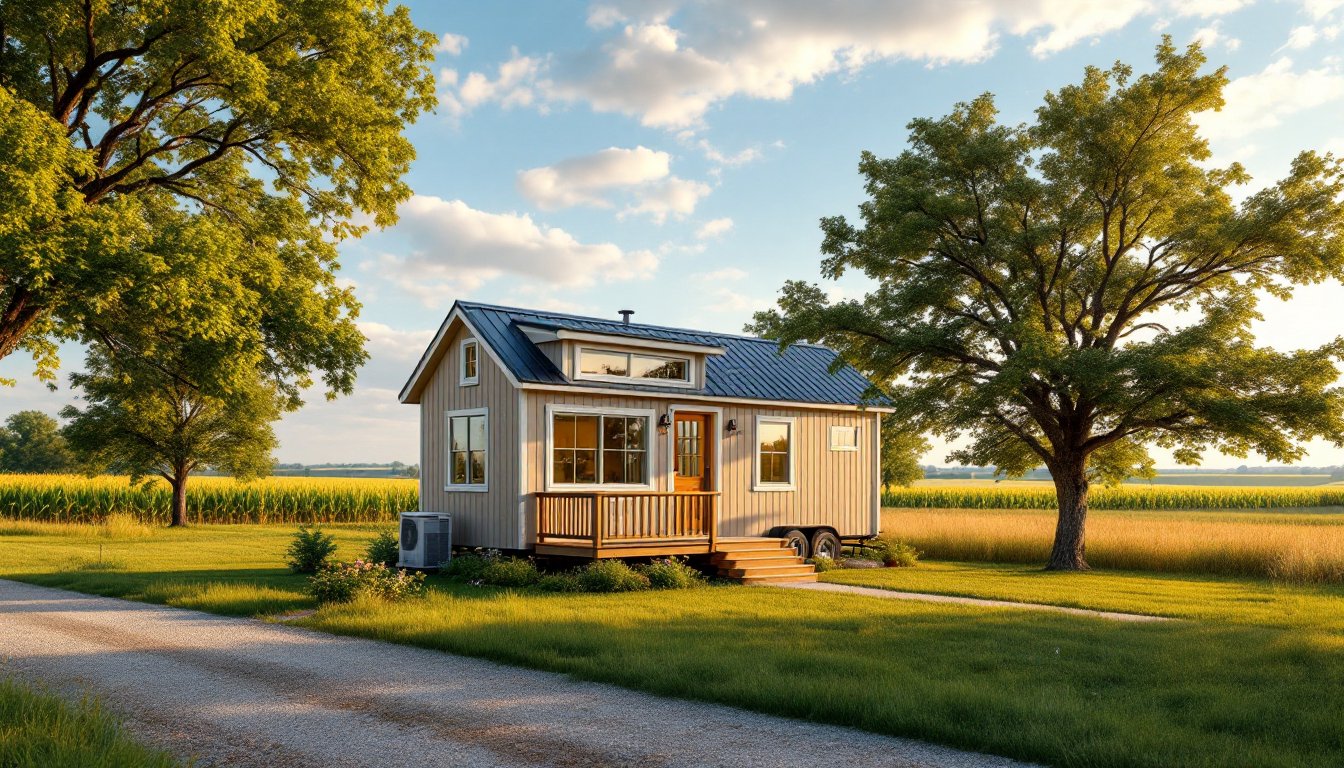
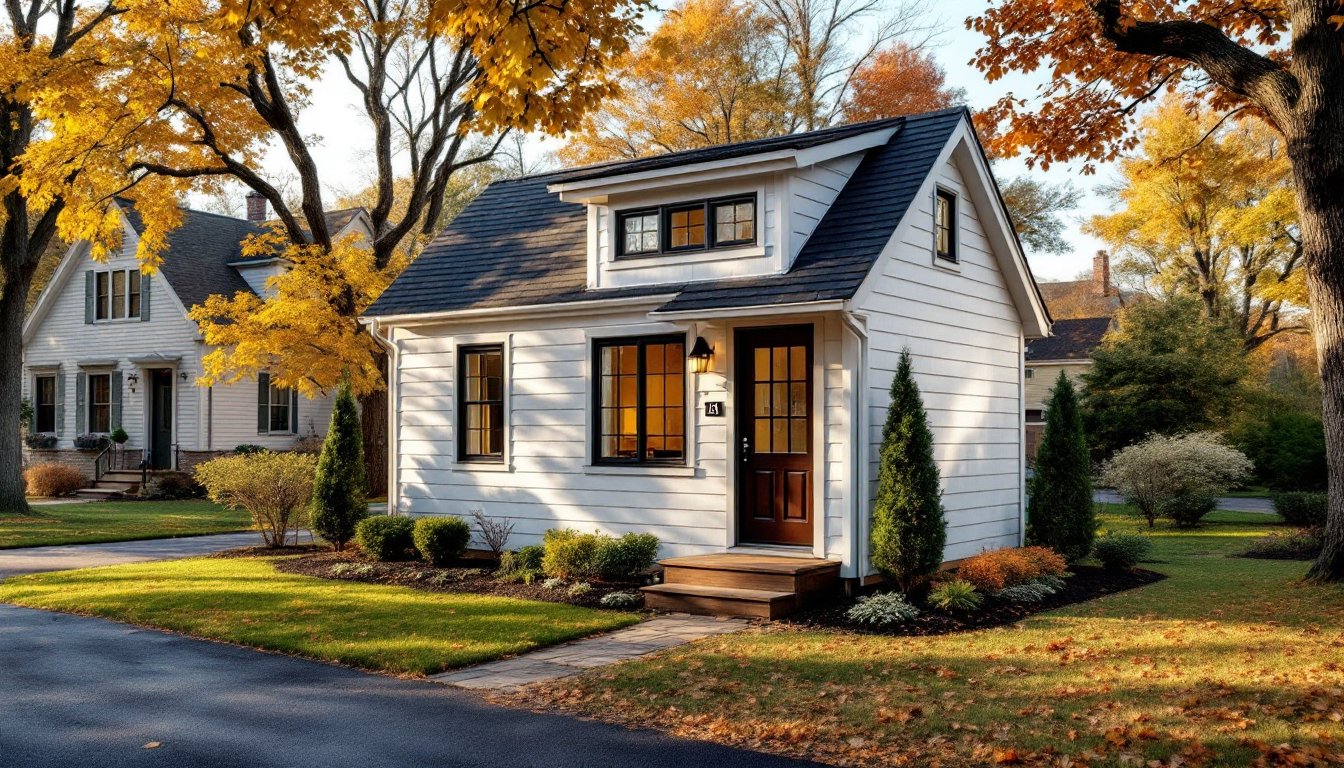
Fort Smith’s tiny home inventory includes a mix of site-built homes (traditional framing on a foundation), manufactured units on permanent foundations, and a handful of prefab designs shipped in from manufacturers. Most units range from 400 to 800 square feet, large enough for a real kitchen and bedroom, but compact enough that every inch counts.
Typical Price Range And Market Trends
Prices for move-in-ready tiny homes in Fort Smith currently range from $75,000 to $180,000, depending on age, condition, finishes, and whether land is included. A 600-square-foot ranch-style tiny home on a city lot runs around $110,000–$140,000. If you’re willing to go newer or opt for custom finishes (upgraded appliances, open shelving, accent walls), expect to climb toward $160,000–$200,000.
Land-only parcels in Fort Smith proper start around $15,000–$30,000 per quarter-acre, while rural lots just outside city limits can be found for $8,000–$15,000. The market has stayed relatively stable through 2025–2026: unlike coastal markets, Fort Smith hasn’t seen wild speculation. Inventory turns over steadily, with homes spending 30–60 days on market before sale. Tiny Homes For Sale explores options when land ownership is a priority.
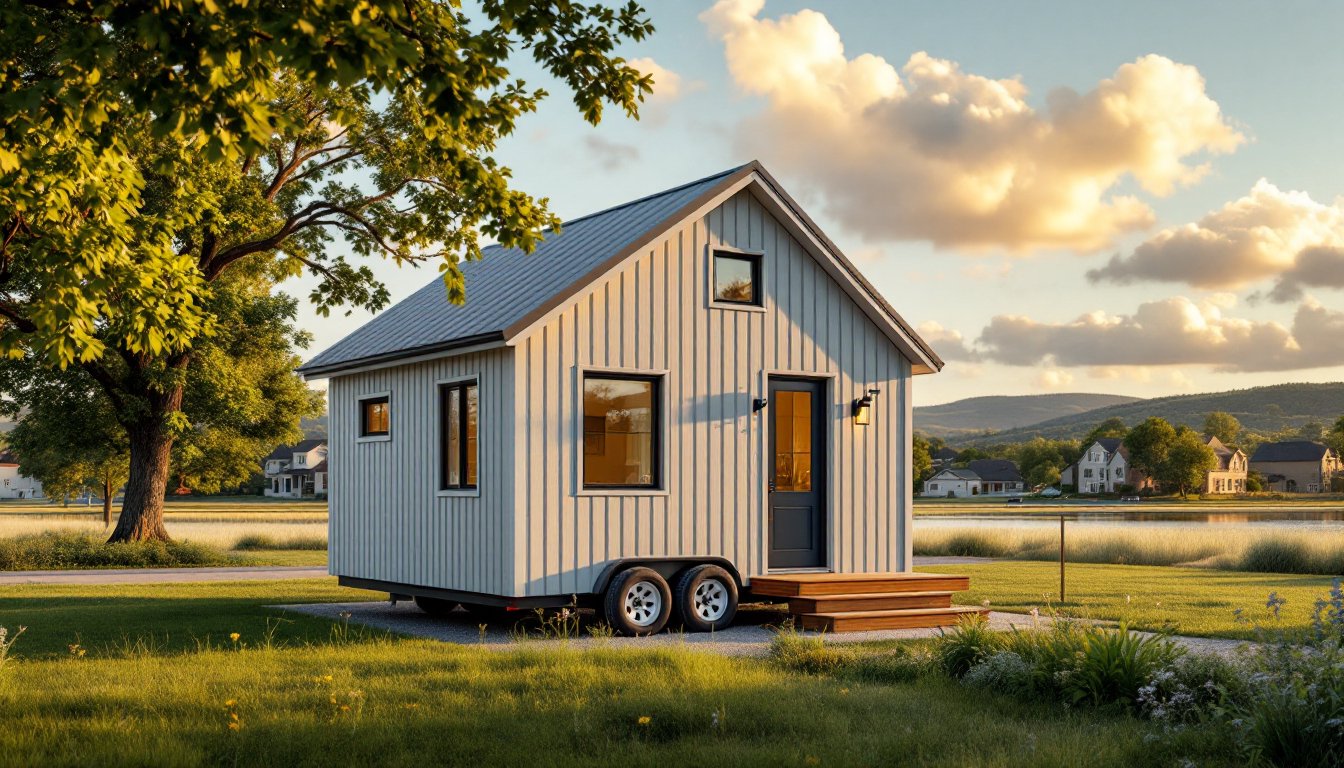
One trend worth noting: manufactured tiny homes are becoming more common. Walmart Tiny Homes for and other retailers now offer factory-built units that arrive turnkey, cutting construction time and often lowering costs compared to site-built alternatives.
Popular Neighborhoods For Tiny Living
Downtown Fort Smith and the Southside district attract younger buyers and remote workers. These older neighborhoods have been revitalized with coffee shops, galleries, and restaurants, and many properties allow ADUs. The neighborhood’s walkability appeals to buyers who want to ditch the car commute.
Just north, neighborhoods around Riverfront Park offer quieter settings with river views and slightly more land per home. These areas tend to be family-friendly and have good schools nearby, useful if you’re downsizing but still have kids.
Rural subdivisions 10–15 minutes outside the city limits offer the most land for your money. If you want 1–2 acres with your tiny home and don’t mind a short drive to town, these areas deliver the best value. Local zoning allows agricultural use, so if you want a garden, small hobby farm, or workshop, there’s room.
Key Features And Design Elements To Look For
When touring tiny homes in Fort Smith, pay attention to layout efficiency, material durability, and systems that hold up in the region’s climate. Fort Smith sits in a humid subtropical zone with hot summers (90s°F) and occasional ice storms in winter.
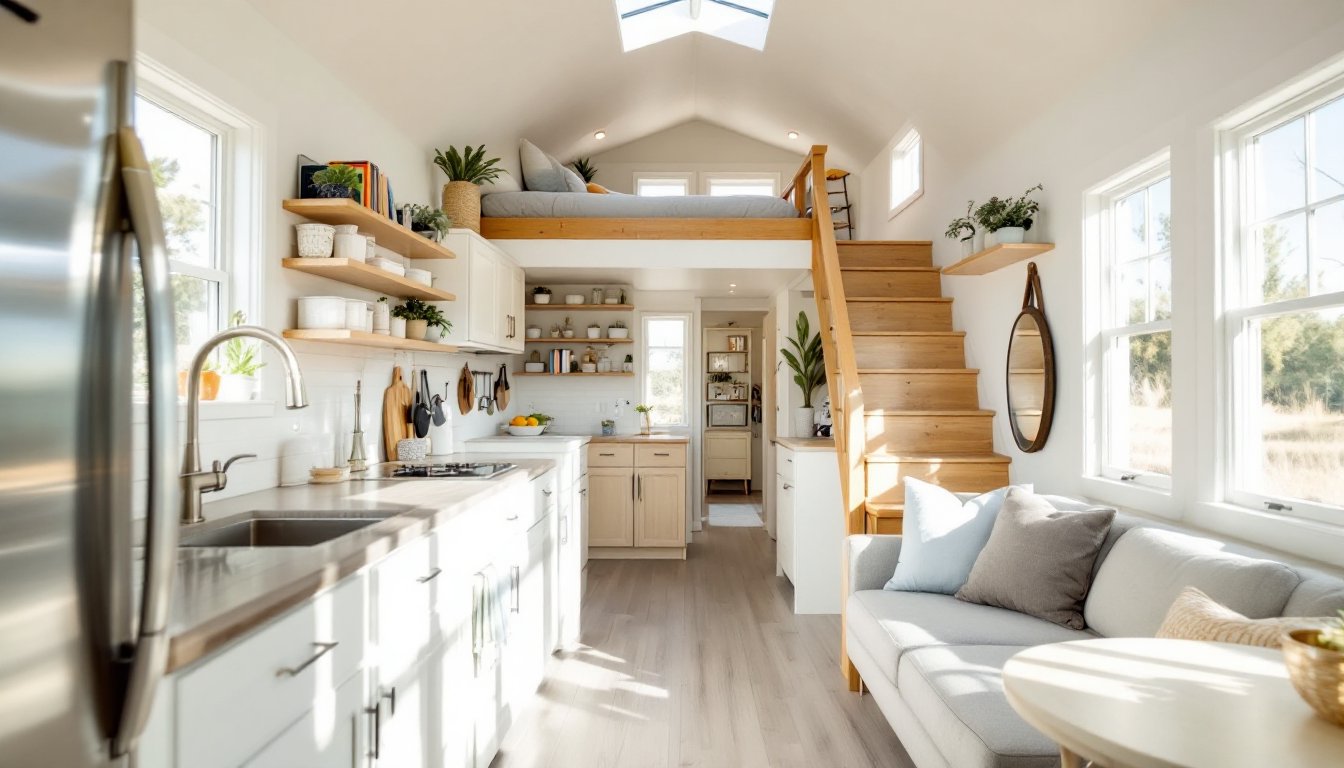
Open-concept living is standard in tiny homes, but make sure the design doesn’t sacrifice storage. Look for built-in shelving, tall closets, and under-bed drawers, lazy furniture placement ruins a small space. A quality loft bedroom or mezzanine adds sleeping area without eating into ground-floor living space.
Kitchens in Fort Smith tiny homes often feature compact appliance suites (24-inch refrigerators, two-burner stoves) and galley layouts that maximize counter space. If you cook regularly, verify that ventilation is adequate and that exhaust fans vent outdoors (not just to attics, moisture damage is a real concern in humid climates).
Roof pitch and material matter in Arkansas. Look for standing-seam metal roofs or architectural asphalt shingles rated for wind and hail. Gable roofs shed water better than flat roofs in regions with heavy rainfall. Walls should be insulated to R-13 minimum (R-15 or R-19 is better), and check that windows are dual-pane and rated for humidity.
Plumbing is another checkpoint. In Fort Smith’s hard-water environment, look for copper or PEX supply lines, not galvanized steel. Water heaters should be tankless or small-capacity electric units (easier to maintain in compact homes). Ask when the home was last inspected and if there are any known issues with the septic system (if off-grid) or city sewer connections.
Electrical systems in smaller homes can get tight. Verify that the panel has spare breaker slots for future upgrades. HVAC should be a heat pump or mini-split system, more efficient than traditional forced air in small spaces, and better for zone control (you don’t cool a bedroom if nobody’s using it).
Financing And Ownership Options For Tiny Homes
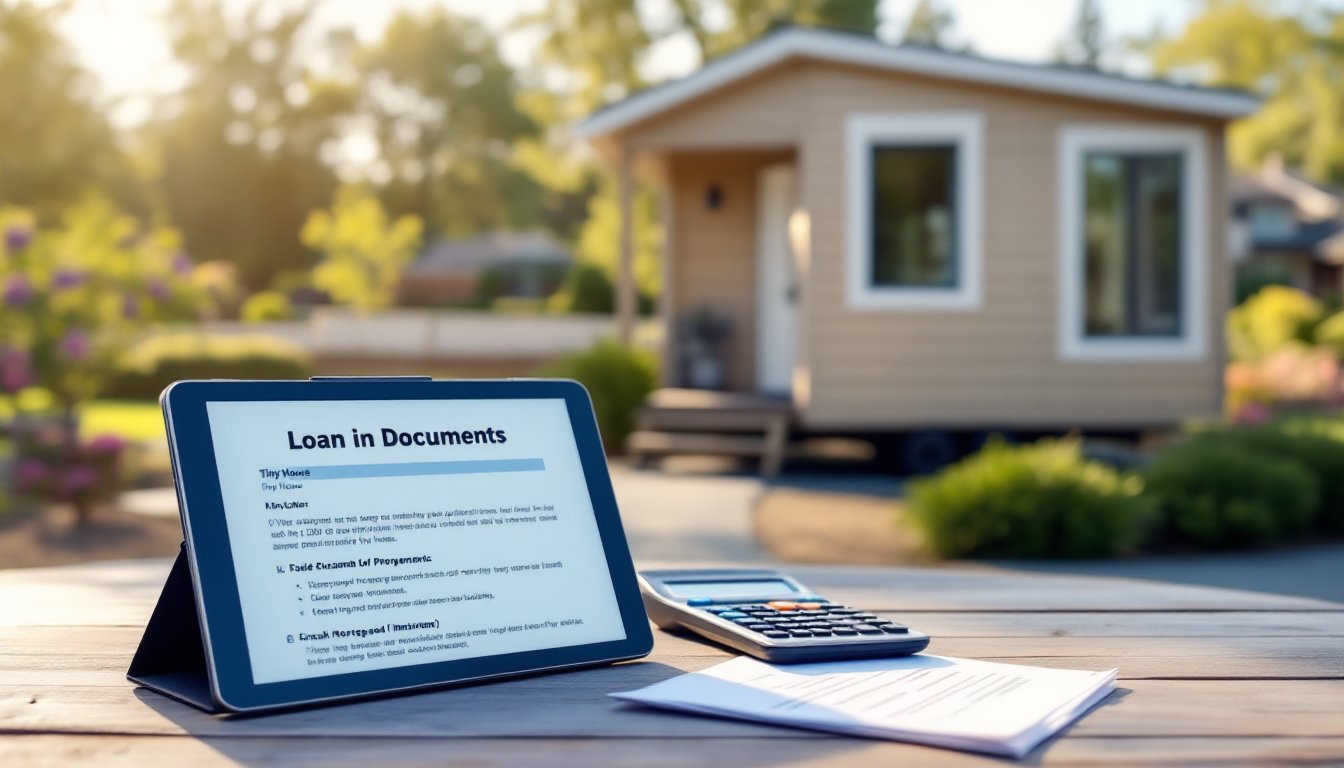
Financing a tiny home in Fort Smith is trickier than buying a traditional house, so it’s worth understanding your options upfront. Most conventional lenders require homes to be at least 400–500 square feet to qualify for a mortgage, which rules out many true tiny homes. Appraisals can also be problematic, if comparables are hard to find, lenders get nervous.
Here’s what actually works: First, personal loans or home equity loans (if you own other property) are often easier than mortgages for tiny homes under $100,000. Interest rates run 6–10%, and terms are typically 5–10 years. A $90,000 personal loan at 8% over 7 years costs roughly $1,400/month.
Manufactured home loans are another route if you’re buying a factory-built unit. These work like auto loans but with longer terms (15–20 years), and rates are usually 7–11%. The catch: manufactured homes depreciate over time (unlike site-built), so some lenders avoid them.
RVA (recreational vehicle) financing also applies to mobile tiny homes. If the unit is certified as RV-eligible, you can finance it through RV lenders, which are often more flexible than traditional banks.
If you have cash, buying outright eliminates financing hassles entirely. Many Fort Smith tiny home buyers are retirees or downsizers liquidating a larger home, so all-cash offers are common.
For ownership structure, most tiny homes are bought as personal residences (owner-occupied). Some buyers purchase with investment in mind, renting out a tiny home as a vacation rental or long-term lease. If you’re considering this, check Fort Smith’s rental licensing requirements and HOA rules (if applicable). Resources like HomeAdvisor and Angi offer cost guides and contractor reviews if you plan renovations post-purchase.
One more point: if you’re placing a tiny home on raw land you own, verify that the lot meets local codes for foundation type, setbacks, and utility access. Some municipalities require a licensed contractor to oversee placement: others allow owner-builders. Getting this right upfront saves headaches. Tiny Homes in California: and Tiny Homes For Sale explore regional variations in regulations worth considering if you’re comparing markets.
Conclusion
Fort Smith offers a realistic, affordable entry point into tiny home ownership. The market is mature enough to have inventory and expertise, yet the cost of living remains reasonable. Success comes down to understanding what you’re buying, knowing your financing options, and inspecting carefully. Visit a few properties in person, ask tough questions about utilities and maintenance, and don’t rush. The tiny home lifestyle works beautifully, when you make the right choice for your situation.