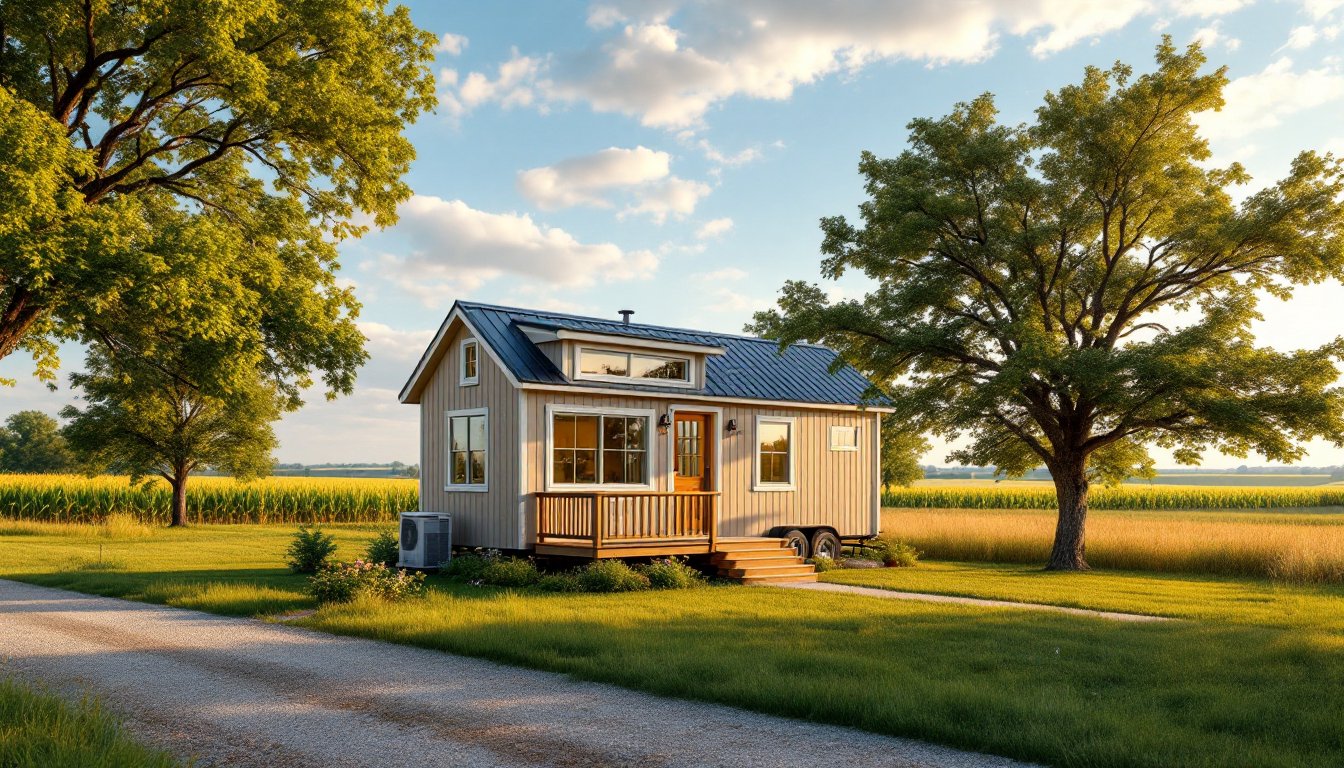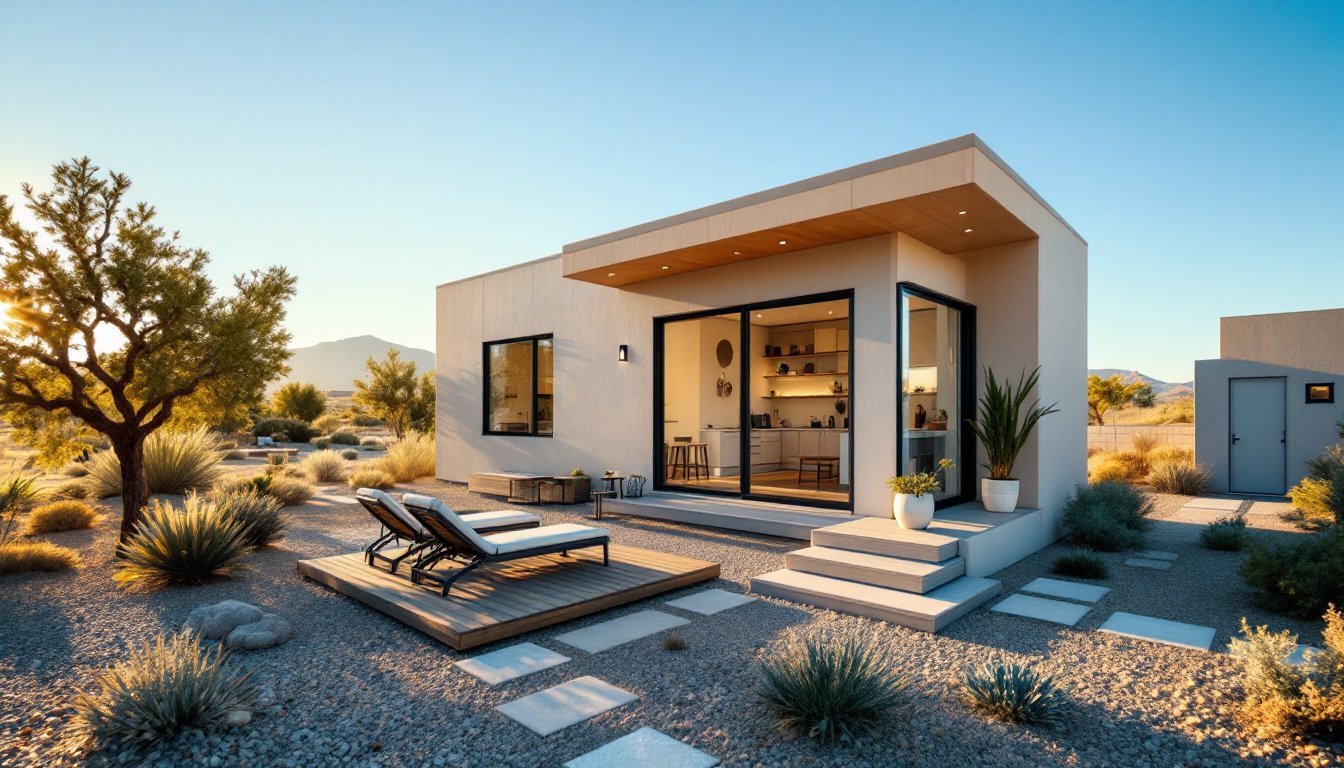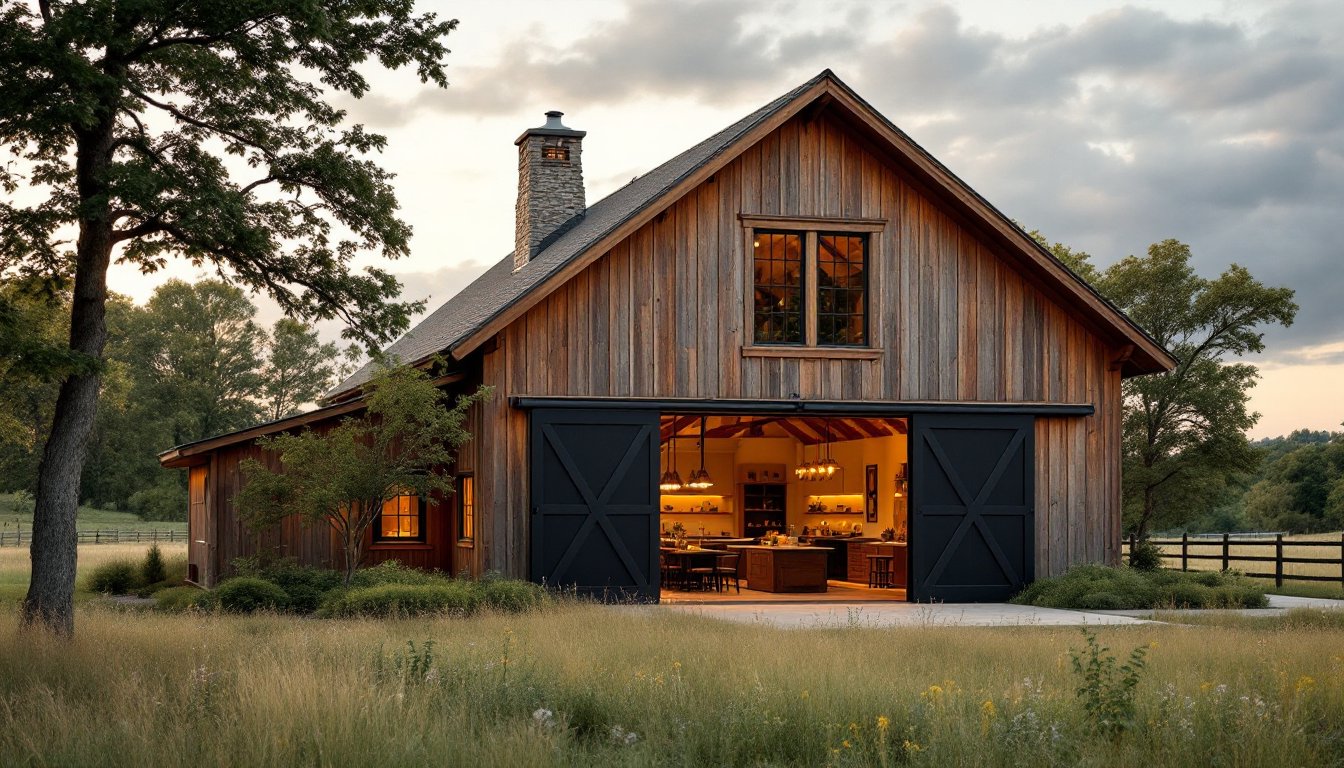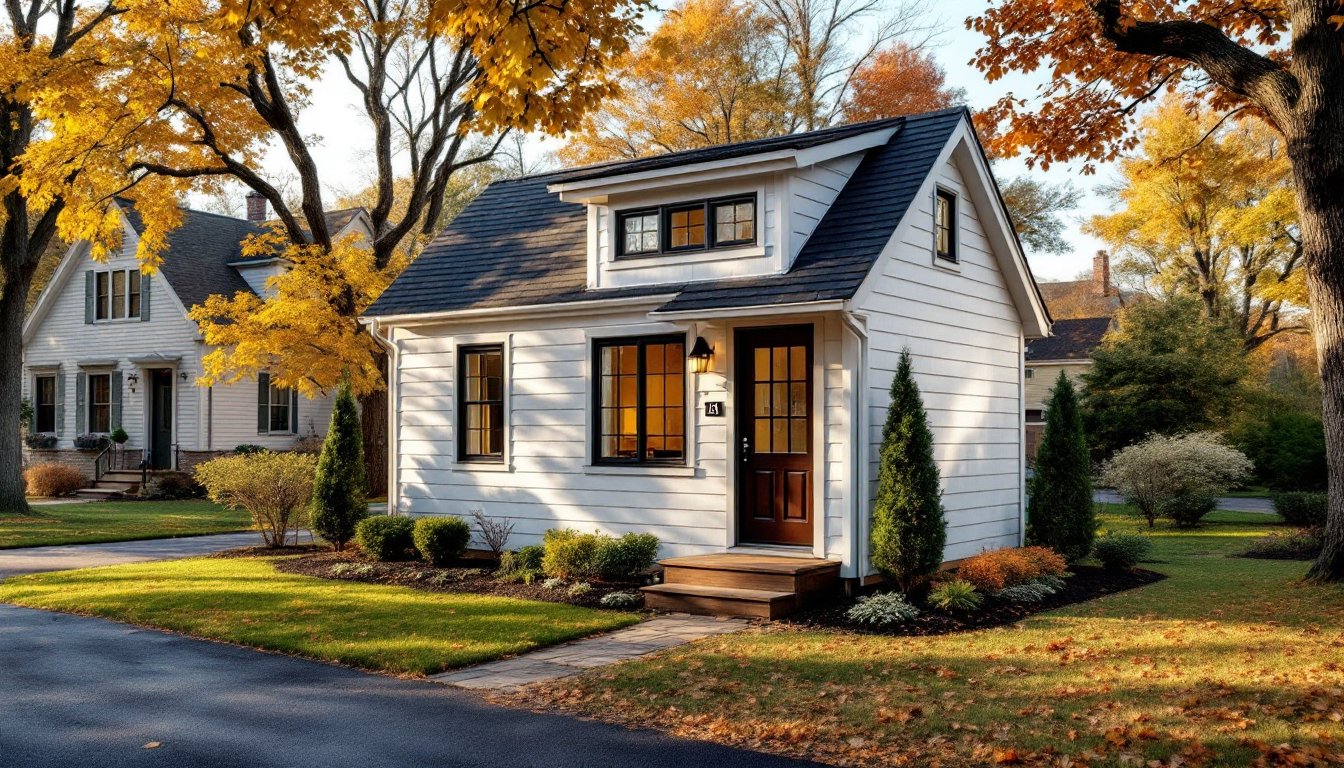
A 200 square foot tiny house might sound impossibly small, it’s roughly the size of a two-car garage, yet it’s become the Goldilocks zone of the tiny house movement. Big enough to live comfortably without feeling claustrophobic, small enough to be genuinely affordable and simple to maintain. Whether you’re drawn to minimalist living, looking to slash housing costs, or simply tired of maintaining excess space, 200 sq ft tiny house plans offer a practical middle ground. This size strikes a balance between functionality and financial sense. In this guide, we’ll walk through smart layouts, design strategies, and the real-world considerations you need to plan a tiny house that actually works for your life.
Table of Contents
ToggleKey Takeaways
- 200 sq ft tiny house plans offer an affordable, livable middle ground between full-size homes and ultra-compact spaces, striking the ideal balance between functionality and financial sense.
- Single-story open-concept layouts with smart zoning—grouping wet areas together, placing bedrooms in alcoves, and keeping living spaces central—maximize comfort and usability without wasting floor space.
- Vertical storage, built-in cabinetry, and multi-functional furniture are essential strategies for 200 sq ft homes, where floor space is precious and every storage solution must earn its place.
- Municipal zoning, building codes, and utility planning (grid vs. off-grid setup) must be verified before breaking ground, as they directly shape your design, timeline, and overall project costs.
- Hire an experienced tiny house designer or builder familiar with code-compliant small-space geometry to avoid costly mistakes and ensure your 200 sq ft plan actually meets local regulations and your lifestyle needs.
What Makes 200 Square Feet the Sweet Spot for Tiny House Living
Two hundred square feet is genuinely livable. It’s spacious enough for a proper bedroom, a functional kitchen, and a legitimate bathroom, not just a glorified closet with a toilet. Most municipalities also feel comfortable with this size for zoning and building permits: some jurisdictions get squirrelly about anything under 150 sq ft, so you’re in safer regulatory territory.
Costs make sense here too. A 200 sq ft house costs significantly less to build, heat, cool, and maintain than a 400 sq ft one. Your material budget, labor costs, and utility bills all stay proportional to the space. Many builders report that 200 sq ft hits the efficiency sweet spot, you’re not fighting diminishing returns on tiny design, but you’re also not spending house-sized money.
The psychological factor matters. Living in 200 sq ft requires intentionality, but it doesn’t demand the ruthless minimalism that smaller footprints do. You can keep hobbies, you can host a friend for dinner, and you don’t feel like you’re living in a hotel room. Within Suburban Tiny Homes, many owners choose this exact square footage for precisely this reason, it’s small enough to feel sustainable, large enough to feel like an actual home.
Single-Story Tiny House Layouts for Maximum Comfort
Single-story layouts work beautifully at 200 sq ft. You avoid the complexity and expense of a loft staircase, and you keep the home feeling open and navigable. The typical footprint is roughly 16 feet wide by 12–14 feet deep on a trailer, though site-built versions can vary. The key is zoning the space without walls that chop it into confusing fragments.
A smart single-story plan groups wet areas (kitchen, bathroom) along one wall, places the bedroom in a back corner or alcove, and keeps the main living area open and central. This layout maximizes wall space for utilities (plumbing, electrical) and makes furniture arrangement flexible. Foundation considerations matter here: mobile tiny homes (on trailers) face different load and insulation challenges than site-built versions, so plan accordingly for your specific setup.
According to resources like Fine Homebuilding, open floor plans in tight quarters need careful attention to ventilation and moisture control. A single bathroom pulls double duty as the source of humidity, so exhaust fans that actually vent outside, not into the attic, are non-negotiable.
Maximizing Kitchen and Dining Functionality in Compact Spaces
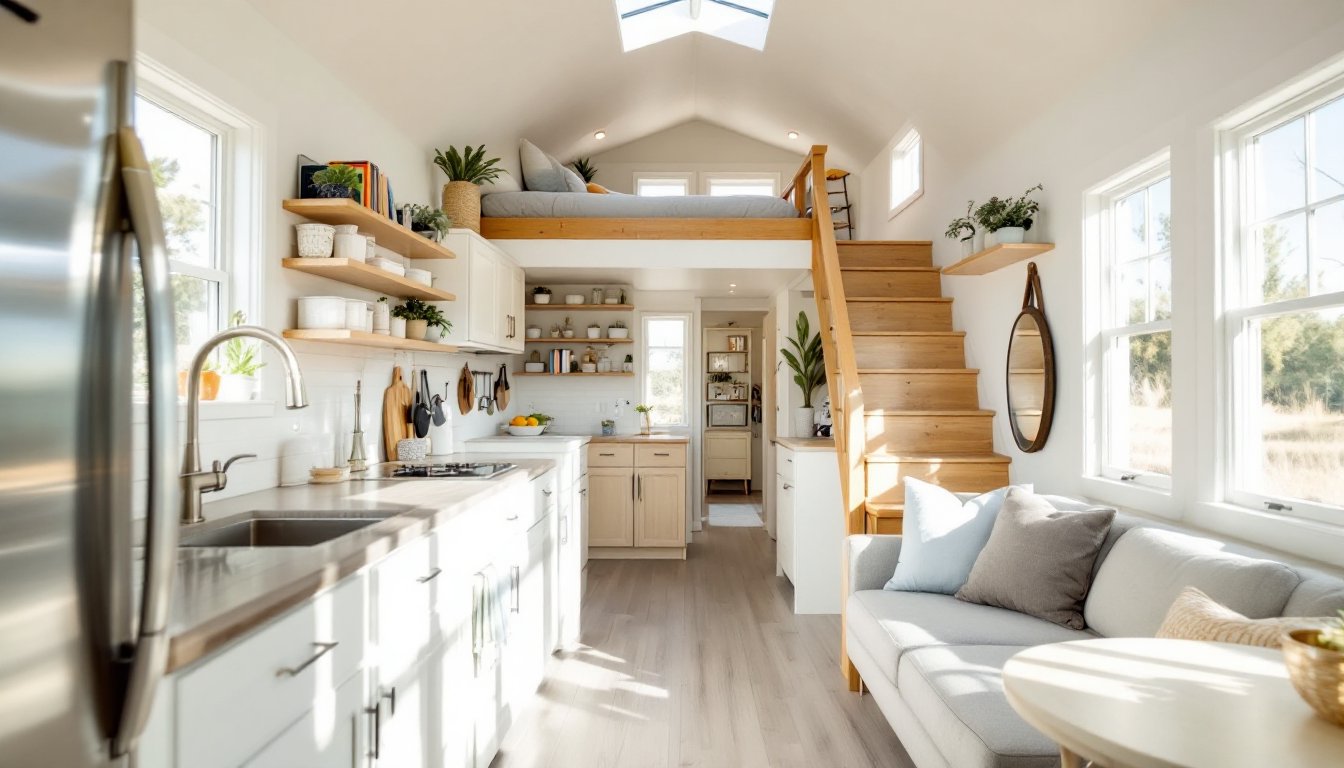
The kitchen is the heart of a 200 sq ft house, often serving as part of the main living area. A galley layout (appliances and cabinets running down opposite sides) uses 8–10 feet of wall space and keeps the work triangle tight. Install a 2-inch-thick butcher block counter or similar durable surface: it’s modest enough to fit small cabinets but robust enough for actual cooking.
Skip the oversized refrigerator. A standard apartment-size fridge (roughly 24 inches wide, 60–65 inches tall) holds plenty and leaves walking space. Open shelving above the counter doubles as storage and makes the space feel less cave-like. A compact induction cooktop (2–3 burners) heats faster than electric and takes less space than a full range. Pair it with a single wall oven or skip it entirely if your lifestyle supports stovetop cooking.
Dining happens at a small bistro table or built-in banquette, not a separate room. A folding table that tucks away reclaims floor space for evening lounging. This approach borrows ideas from smart small-space design featured in Apartment Therapy, where multi-functional furniture and clever zoning let tiny spaces feel larger.
Open-Concept Designs with Smart Bedroom Solutions
An open-concept layout maximizes perceived space, no hallways burning square footage on circulation. The living area, kitchen, and dining zone flow together. This design choice requires discipline in furniture selection (low-profile pieces let sight lines travel) and color consistency, but the payoff is real comfort and usability.
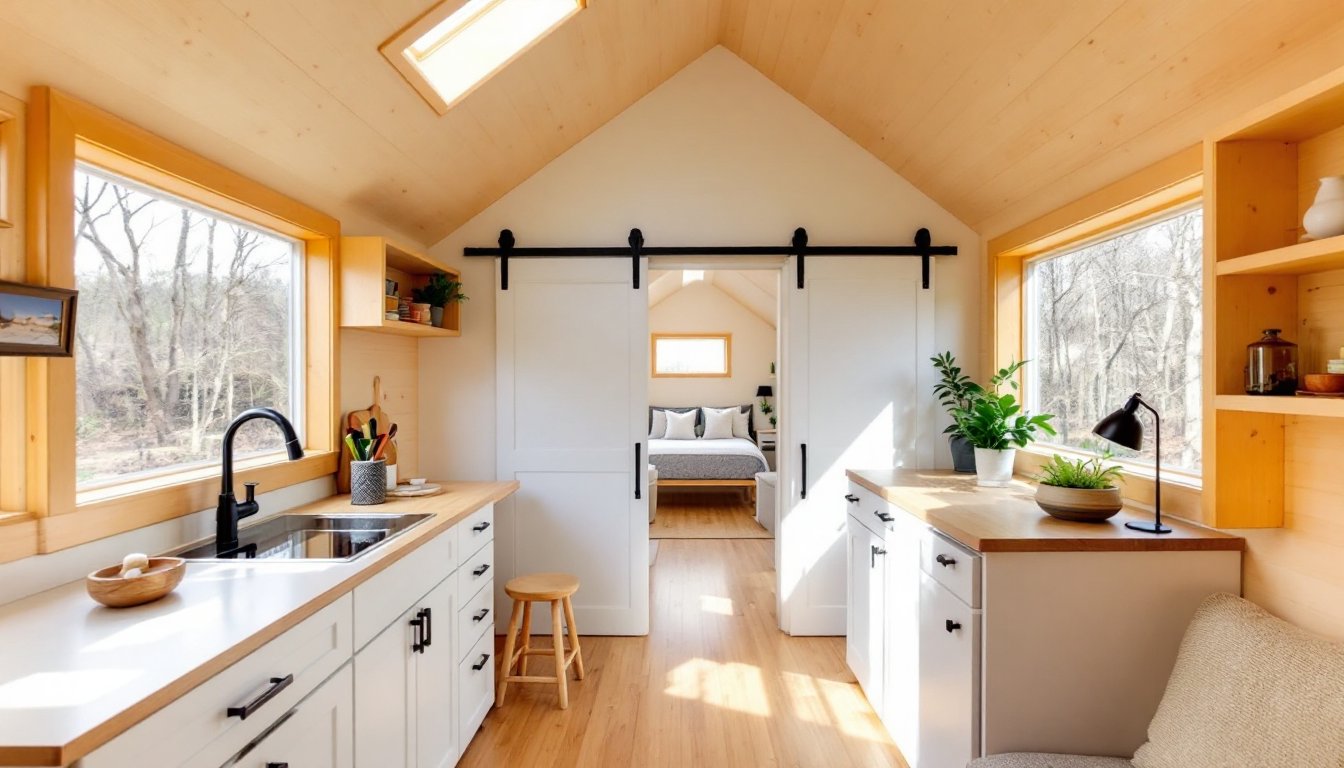
Bedroom placement is crucial. A full-size bed (54 by 75 inches) is a psychological anchor: sleeping in a full bed feels more restful than a twin and still fits in a 10-by-12-foot bedroom alcove. Some designs use a partial wall or sliding barn door to separate the bedroom without losing light or ventilation. Others embrace an open sleeping loft (though this adds staircase bulk and headroom complexity at 200 sq ft, usually not worth it).
Consider a murphy bed or similar hidden bed system if you want that bedroom to double as an office or guest space during the day. Quality mechanisms aren’t cheap ($2,000–$5,000 installed), but they genuinely work if you’ll use them daily. Place the bed on the room’s longest wall, leaving at least 18 inches of walkway space on the other side for safety and sanity. An interior designer or experienced tiny-house builder can show you specific configurations that work for your dimensions and lifestyle.
Natural light matters in open layouts. Windows and skylights prevent the space from feeling like a bunker. Tiny House Insulation details explain how insulation and window placement balance thermal efficiency with daylighting, you want both, and good design delivers them.
Vertical Storage and Built-In Solutions for 200 Sq Ft Homes
In 200 sq ft, floor space is gold. Vertical storage keeps belongings accessible without eating the room itself. Build shelving up to the ceiling wherever feasible, above the kitchen, along the bedroom wall, beside the bathroom. A 14-foot ceiling gives you room to climb (safely, with a ladder or step stool) and store seasonal items out of sight.
Built-in cabinetry, benches, and shelving work harder than freestanding furniture. A kitchen island with seating on one side and deep drawers underneath serves three purposes: work surface, dining, and storage. A bedroom closet with custom shelving and hanging rods (not a rod-and-shelf combo) uses every inch, 8 feet wide and 7 feet tall yields surprising capacity. A bathroom vanity with under-sink cabinetry, a medicine cabinet, and shelves above the toilet transforms a small bathroom into functional storage.
Materials are practical choices here. Birch plywood or solid pine (not expensive veneers) holds up to daily use and moisture. Stain or paint it to match your interior. Prefabricated closet systems from big-box retailers cost less than custom carpentry and work fine for 200 sq ft: you’re maximizing utility, not showing off finishes. Consider the “one in, one out” philosophy, organize storage with the understanding that you’ll edit your possessions carefully. Real Simple’s home organization guides tackle this mindset effectively.
Essential Design Considerations Before Building Your Tiny House
Before you hammer a nail, nail down the legal and practical fundamentals. Check local zoning ordinances: some municipalities allow tiny houses on permanent foundations, others only on registered mobile-home pads. Some require minimum lot sizes or square-footage minimums. A few jurisdictions still ban them outright, so verify eligibility in your intended location or, if you’re building on someone else’s land, confirm they allow it.
Building codes apply to tiny houses just like full-size homes. You’ll need permits, inspections, and compliance with the International Residential Code (IRC) for structure, electrical (NEC), and plumbing. Hiring a designer or builder familiar with tiny houses is worth the upfront cost: they understand code-compliant small-space geometry and won’t price you like a contractor framing a 3,000 sq ft mansion.
Utility planning shapes the whole design. Decide early whether you’re off-grid (solar, propane, composting toilet) or connected to municipal services (grid power, water, sewer). Tiny House Electric Setup walks through electrical load calculations and safety, you can’t just wire a 200 sq ft house like a tiny apartment. HVAC (heating, ventilation, air conditioning) matters too: a single heat pump or mini-split system often handles both, but oversizing leads to inefficiency and waste.
Budget contingency. Material costs, labor, and regional market conditions fluctuate: add 15–20% to your estimate. If you’re building on a trailer, factor in the trailer cost (roughly $10,000–$15,000 for a quality foundation-grade unit) and tie-down requirements if the location is windy.
Building Your 200 Sq Ft Tiny House: Next Steps
Start with a detailed floor plan. Use graph paper, a CAD program, or hire a designer: most charge $500–$2,000 for a tiny-house layout package. Sketch the kitchen, bathroom, bedroom, and living zones to scale. Walk the footprint with a tape measure to confirm furniture and door swings work in person, drawings lie.
Second, gather contractor bids or assemble your build team. If you’re DIY-ing, be honest about your skill level. Framing, roofing, and electrical are learning curves: a mistake costs time and money. Many tiny-house builders offer workshops or apprenticeships, consider spending a month helping on another build to learn the craft.
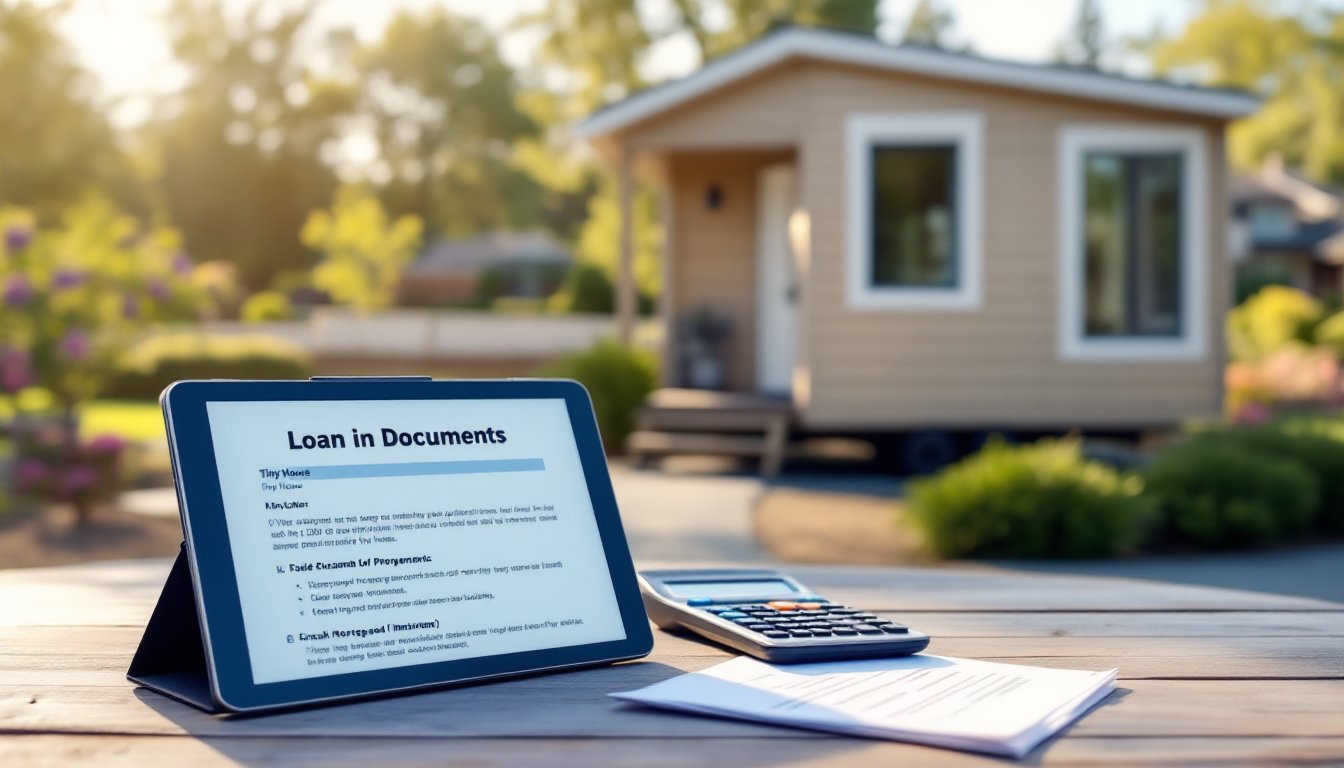
Third, secure financing and permits. Some banks don’t finance tiny houses on wheels: others do. Site-built tiny homes are easier to mortgage. Permits take time, so don’t skip this step to save a few months, unpermitted construction creates liability and resale headaches.
Finally, plan your materials and timeline. A 200 sq ft house typically takes 4–8 months for a professional build team, longer if you’re DIY or part-time. Source materials early: lumber, windows, and appliances have lead times. Keep a contingency fund, unexpected issues (existing foundation settling, local code additions, material price jumps) are inevitable.
Resources like those found in Tiny Homes for Sale with Land show finished examples and help you visualize what good design looks like. Study them, ask questions, and remember that a well-planned 200 sq ft house outlasts and outperforms a rushed one.