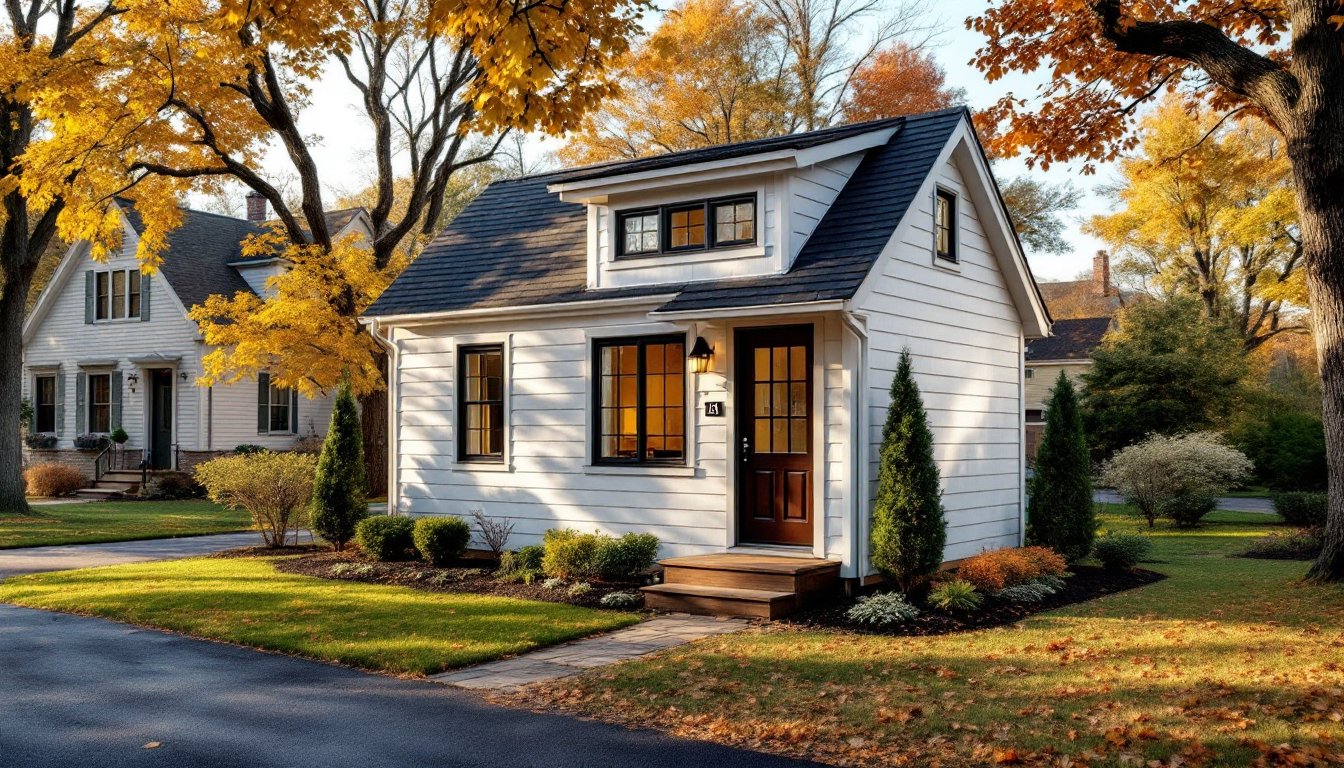
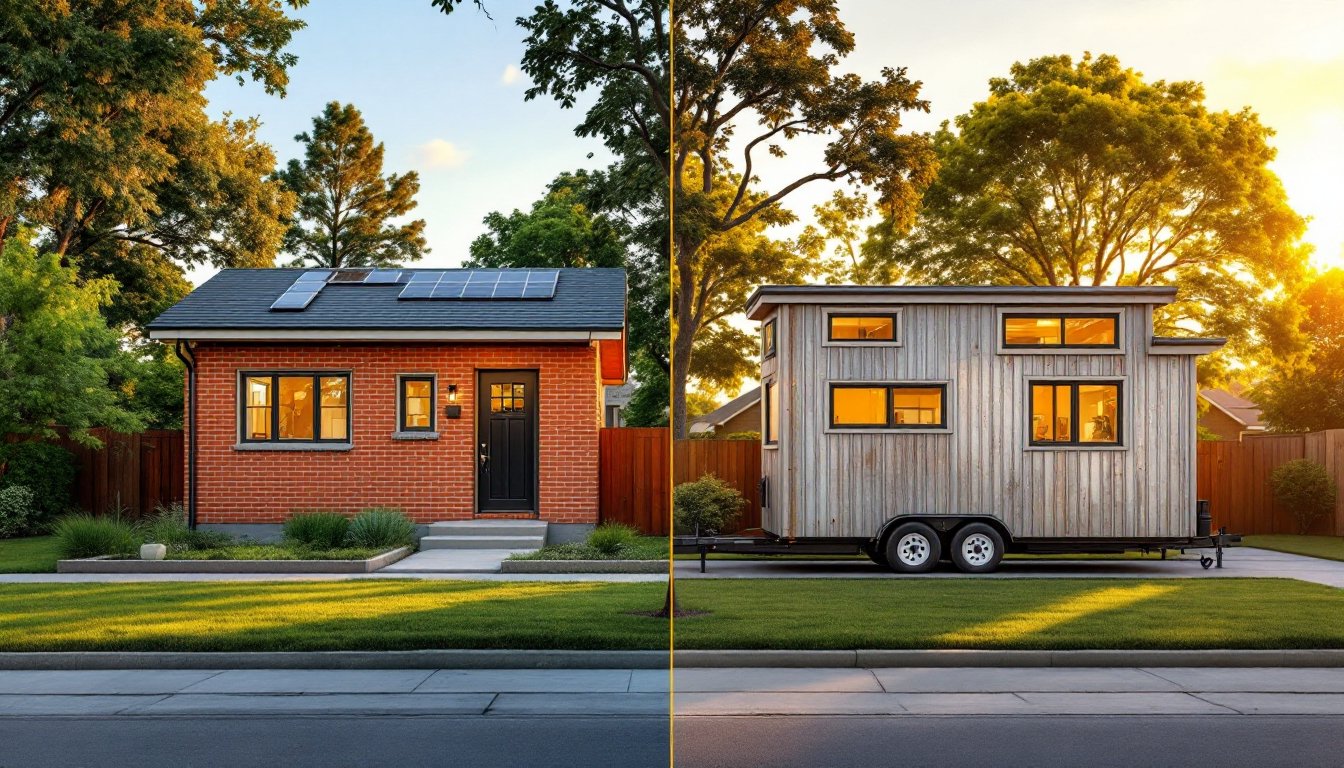
Compact living solutions are reshaping how homeowners think about space, affordability, and flexibility. Two options dominate the conversation: Accessory Dwelling Units (ADUs) and tiny houses. While both offer smaller footprints than traditional homes, they operate under different rules, costs, and construction standards. Whether you’re looking to generate rental income, house aging parents, or downsize, understanding the distinction between an ADU and a tiny house isn’t just about size, it’s about what fits your property, budget, and long-term goals.
Table of Contents
ToggleKey Takeaways
- An ADU vs tiny house decision depends on permanence: ADUs are permanent, regulated structures that increase property value, while tiny houses offer mobility and off-grid flexibility but face legal uncertainty and financing challenges.
- ADU construction costs $150,000–$400,000, while tiny houses marketed at $30,000–$100,000 often omit land and monthly site fees that can total $36,000–$72,000 over ten years, making true costs comparable.
- Zoning and permits heavily favor ADUs in progressive markets like California, Oregon, and Washington, where many jurisdictions allow them by-right, while tiny houses remain in legal gray areas across most jurisdictions with unpredictable enforcement.
- Choose an ADU if you own land, want to generate income or house family, and plan to sell at a premium; choose a tiny house if you value mobility, prioritize off-grid living, and have secured affordable land with clear local regulations.
- Local codes determine viability—hire a building consultant ($500–$1,500) to confirm zoning legality before committing to either compact living option, as regulations vary dramatically by state and county.
What Is an ADU and How Does It Differ From a Tiny House?
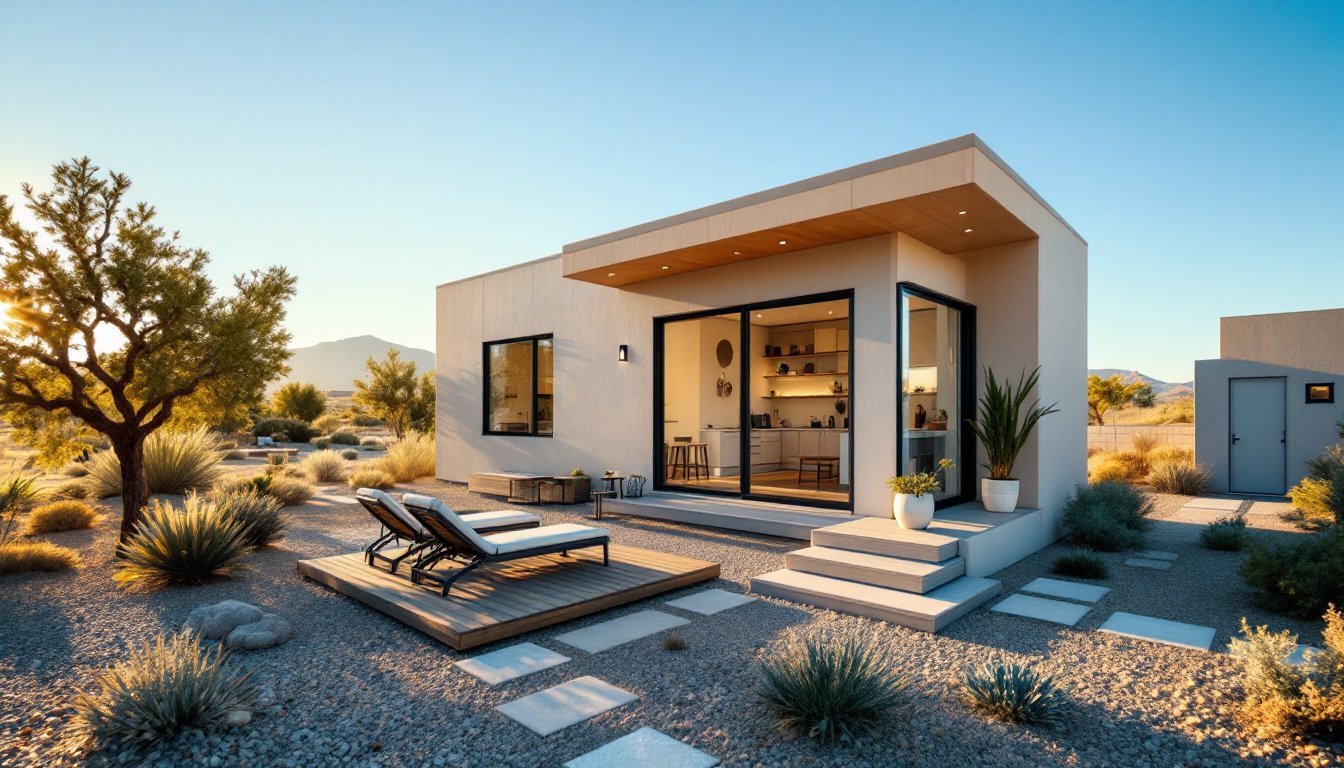
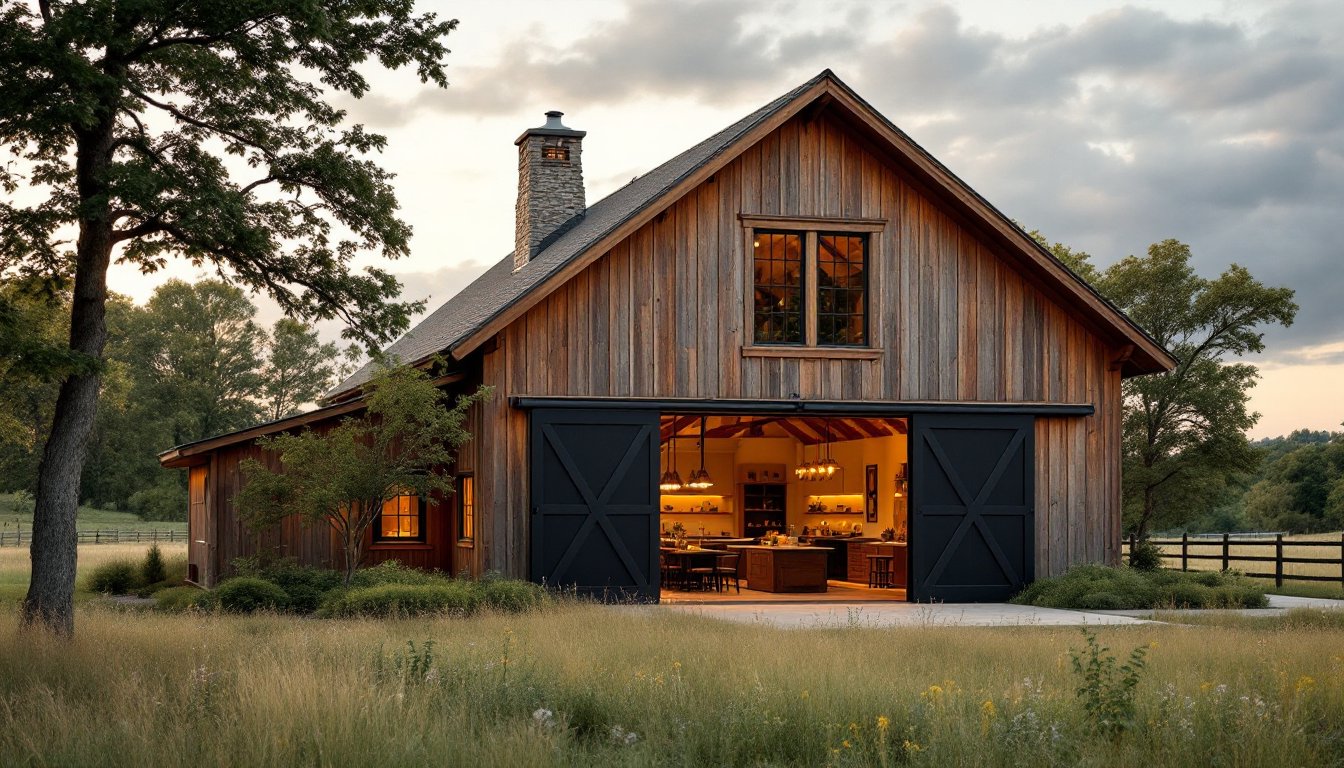
An Accessory Dwelling Unit (ADU) is a secondary residential structure on the same property as a primary home. It might be a converted garage, a detached cottage, or a basement suite, but it must comply with local zoning laws and building codes specific to your jurisdiction. ADUs are permanent installations with utility connections to your main house or to municipal systems.
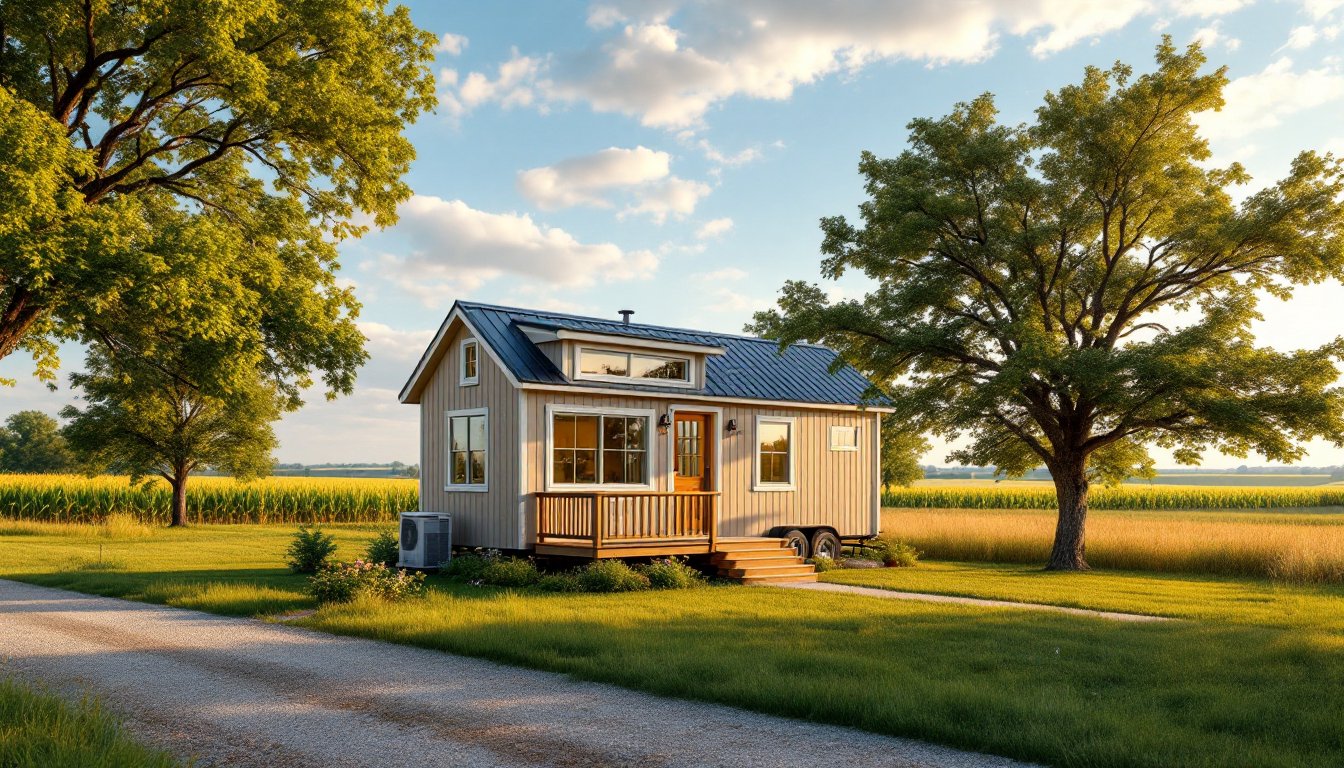
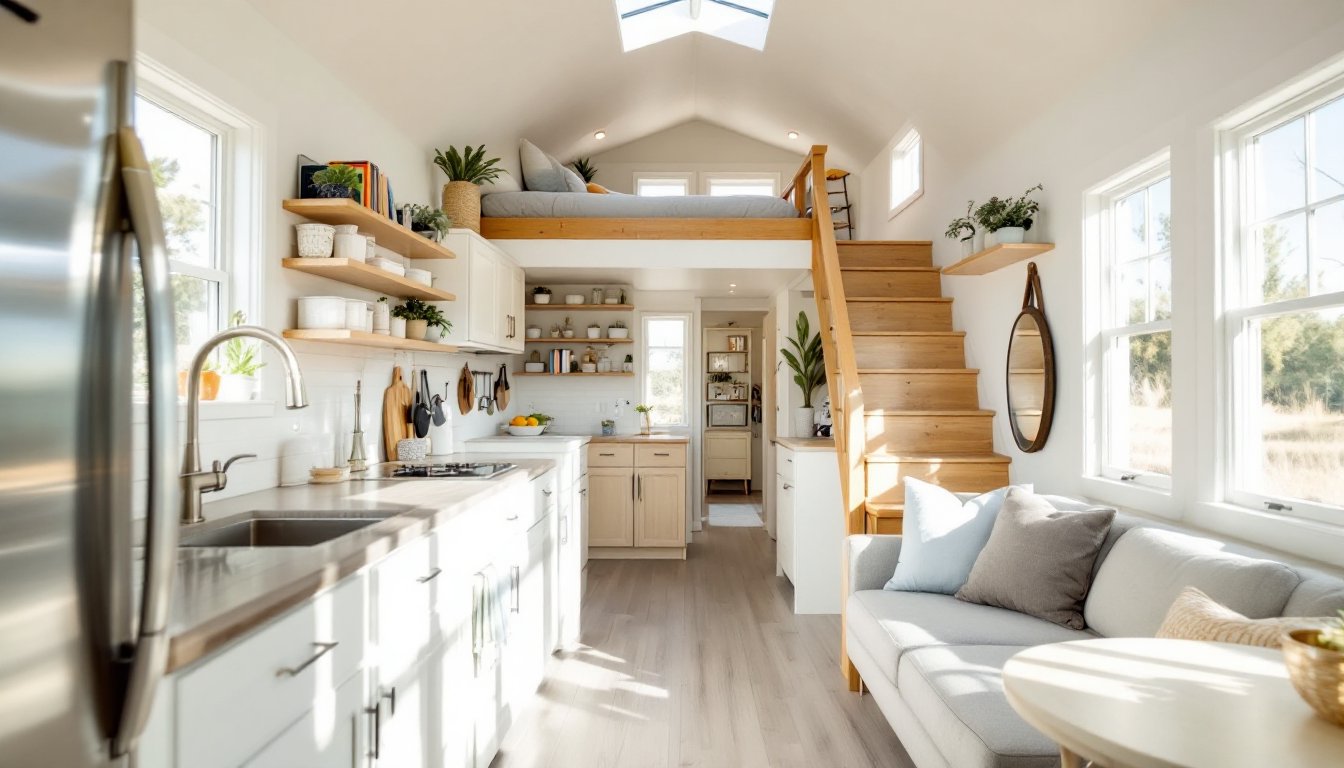
A tiny house, by contrast, is typically a standalone, mobile-ready dwelling under 400 square feet (though definitions vary). Many tiny houses are built on trailers or foundation-agnostic frames, making them portable. They’re often marketed as a lifestyle choice and financial reset, not just a use of existing space.
Key Differences in Design and Construction Standards
Permanent vs. Mobile Foundation
ADUs are built to stay put. They require foundation work, whether a concrete slab, pier-and-beam, or full basement, and are tied into permanent utility lines. Tiny houses can be designed for wheels (RV-style) or a temporary foundation, though some are permanent too. This matters for inspections, insurance, and resale.
Code Compliance and Permits
ADUs must meet your local building codes and zoning regulations, which vary wildly by state and county. Suburban tiny homes often sidestep some traditional zoning restrictions by sitting in suburban areas, but an ADU on your primary lot usually requires explicit city approval. Tiny houses on trailers sometimes exist in legal gray areas, some jurisdictions don’t have clear regulations, while others ban them outright. Expect permits and inspections for an ADU: tiny houses may require a “manufactured home” or RV certification instead.
Design Standards and Utility Infrastructure
ADUs must be designed with permanent electrical, plumbing, and HVAC systems meeting current National Electrical Code (NEC) standards. If the ADU shares utilities with the main house, load calculations and submeter requirements apply. Tiny houses can be fully self-contained, think solar panels, composting toilets, and propane tanks, or plugged into a conventional grid. This flexibility appeals to off-grid enthusiasts but complicates permitting and resale if you ever want to move.
Cost Comparison: ADUs vs. Tiny Houses
Budget is often the deciding factor. ADU construction costs typically run $150,000 to $400,000 depending on the approach. A simple garage conversion might cost $60,000 to $100,000, while a detached ADU with its own foundation and utilities hits $200,000 or more. Land is already yours, so you’re not buying a lot, but you are paying for professional design, permits, inspections, and utility hookups.
Tiny houses are marketed as cheaper, sometimes $30,000 to $100,000, but that’s misleading. A quality, code-compliant tiny house costs $100,000 to $250,000. The lower-end figures often exclude land, parking, and long-term site rental fees. If you need to rent space at a tiny home community, expect $300 to $600 per month. Over ten years, that’s $36,000 to $72,000 in site fees alone, which erodes the cost advantage.
Hidden Costs to Account For
ADUs require site work (grading, utility trenching), engineering reviews, and municipal fees, sometimes 10-20% of total construction cost. Property taxes may increase if your local assessor reassesses your lot value. Resale appeal is strong in ADU-friendly areas: it’s weak where they’re uncommon or zoned out.
Tiny houses carry financing challenges. Most lenders won’t touch them: RV loans carry higher rates. If you’re renting land, you have no equity. Resale depends heavily on finding a buyer willing to move the structure or set it on their property. Tiny house parking infrastructure is still developing, making relocation risky.
Zoning, Permits, and Legal Considerations
This is where ADUs and tiny houses diverge most sharply. Zoning is localized, what works in Portland, Oregon may be illegal in most of suburban Texas.
ADU Zoning Trends
California, Oregon, Washington, and a growing number of urban areas have legalized ADUs as a housing shortage response. Tiny homes in California benefit from streamlined ADU laws allowing homeowners to add secondary units without losing parking or front-yard setback requirements. Many jurisdictions now allow ADUs by-right in single-family zones, meaning minimal public review. But, lot size, setback distances, and maximum ADU square footage vary. An IRC (International Residential Code) compliant ADU typically caps out at 1,000 square feet and requires adequate parking, often 1 space per unit.
Tiny House Legal Limbo
Tiny houses aren’t a zoning category in most places. Some cities classify them as RVs (which ban permanent residence), others as mobile homes (which require manufactured home certifications), and still others as standard dwellings if they meet foundation and safety specs. The American Tiny House Association and NOAH (National Organization of Alternative Housing) are pushing for standardized definitions, but consensus is years away. If you’re buying a tiny house and placing it on owned land, confirm your local codes first. Many jurisdictions require a full-time residence license, and enforcement is unpredictable.
Permits and Inspections
ADU permits take 3-6 months but are straightforward, apply, get reviewed, build, pass inspection. Tiny house permitting is messier. Some communities greenlight them without fuss: others demand engineered plans, structural certifications, and ongoing compliance checks. A tiny home for veterans may qualify for expedited zoning relief in some states as an affordable housing initiative, but that’s jurisdiction-specific.
Before committing to either option, hire a local building consultant or attorney ($500-$1,500 fee) to confirm what’s legal on your property. It’s the cheapest insurance you can buy.
Flexibility and Customization Options
ADUs win on permanence but lose on adaptability. Once you’ve poured a foundation and run utilities, significant changes are expensive. That said, interior finishes, kitchen layout, flooring, fixtures, are standard renovation work. If you’re converting a garage, you start with existing structure and work within it. Detached ADUs offer more freedom to customize floor plans, but you’re still constrained by lot size and setback requirements. The upside: an ADU increases home value and appeals to future buyers because it’s permanent, permitted, and generates income or serves family needs.
Tiny houses are, in theory, endlessly customizable, you’re not locked into a lot. In practice, relocation is expensive ($3,000-$10,000 per move depending on distance) and risky if zoning hasn’t changed. Towing requires heavy equipment, road permits, and often a professional operator. Interior customization is simple (they’re built by small builders, not massive factories), but exterior changes face weight limits and aerodynamic concerns if the unit is mobile.
For wheelchair accessible tiny house designs, ADUs are more flexible because you can add wider doorways, accessible bathrooms, and ramps without worrying about towing weight. A custom ADU renovation for accessibility is cheaper and more permanent than retrofitting a trailer-based tiny house. Similarly, pet-friendly tiny house designs benefit from ADU flexibility, built-in pet doors, larger mudrooms, and durable flooring are easier in permanent structures.
Which Option Is Right for Your Situation?
Choose an ADU if:
- You own land or a home where zoning permits secondary units
- You want to house family, generate rental income, or increase property value
- You need permanent utility infrastructure and don’t want to manage site rent
- Resale appeal matters: you’re not sure you’ll stay forever
- Your area has clear ADU regulations and a friendly planning department
Choose a tiny house if:
- You value mobility or plan to relocate within a few years
- You’re drawn to off-grid living (solar, water catchment, minimal utilities)
- You’ve found secure, affordable land or a community that permits them
- Your jurisdiction has clear tiny house standards or exemptions
- You prioritize lifestyle simplification over investment returns
Most compact living guides overlook the middle path. According to architecture and design trends on Curbed, many people build a hybrid: a small, owner-occupied primary home on owned land plus an ADU for income or family. This avoids the zoning battles tiny houses face while keeping per-square-foot costs reasonable. Resources like Apartment Therapy also showcase how small spaces, whether ADUs or tiny houses, thrive with intentional layout and multifunctional furnishings. And laneway house models developed by architects prove that thoughtful ADU design creates communities, not just rental units.
The Bottom Line:
An ADU is a real estate investment and a permanent solution. A tiny house is a lifestyle experiment and a financial bet on future mobility. If you’re building on your own land and want to stay put, or eventually sell at a premium, an ADU is the safer play. If you’re renting a lot and dreaming of simplicity, a tiny house offers flexibility that an ADU can’t match. Neither choice is inherently “better”: it depends on your market, your zoning, and what you actually need.
Conclusion
The compact living boom isn’t slowing down. Both ADUs and tiny houses address real housing pressures, affordability, sustainability, and the desire for simpler living. Your choice hinges on permanence, zoning, budget, and resale expectations. Check your local codes first, talk to a builder, and run the full 10-year cost math before deciding. The “best” option is the one that’s legal, affordable, and aligned with where you want to be in five years.