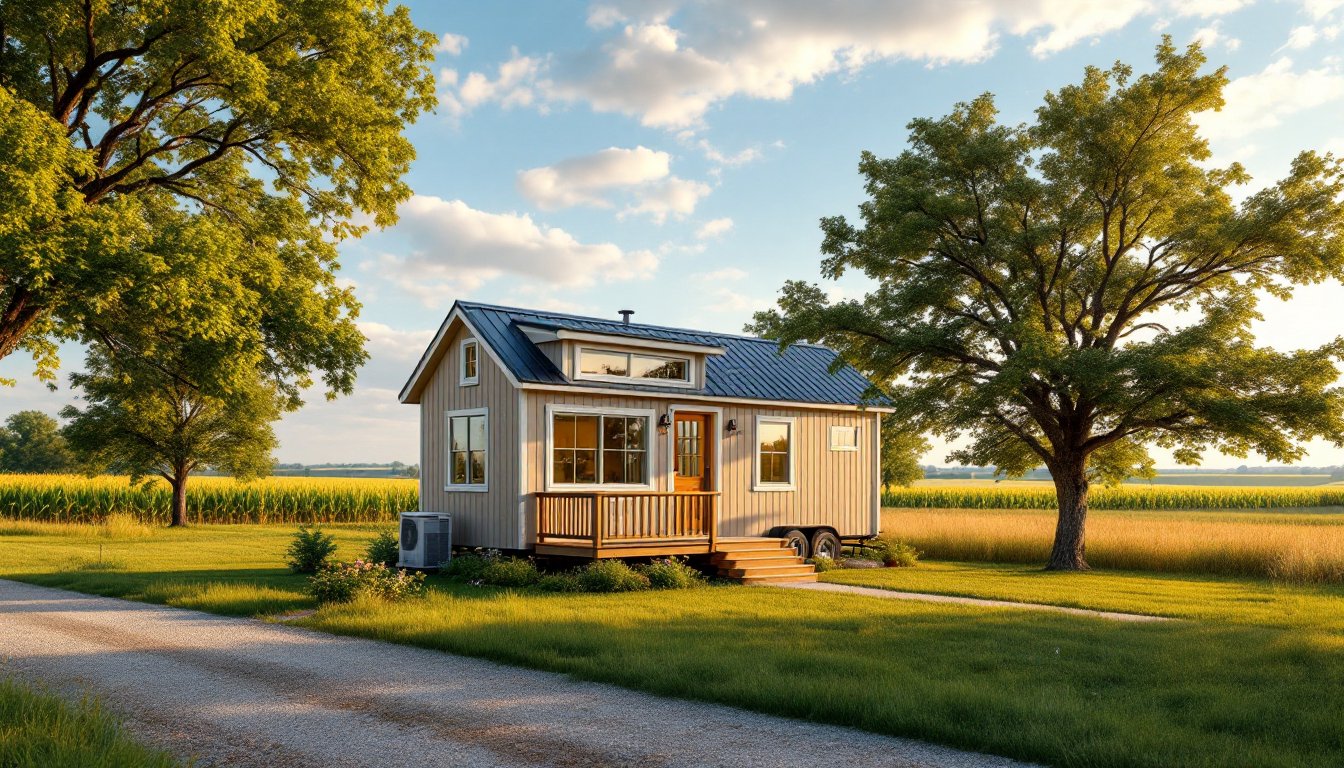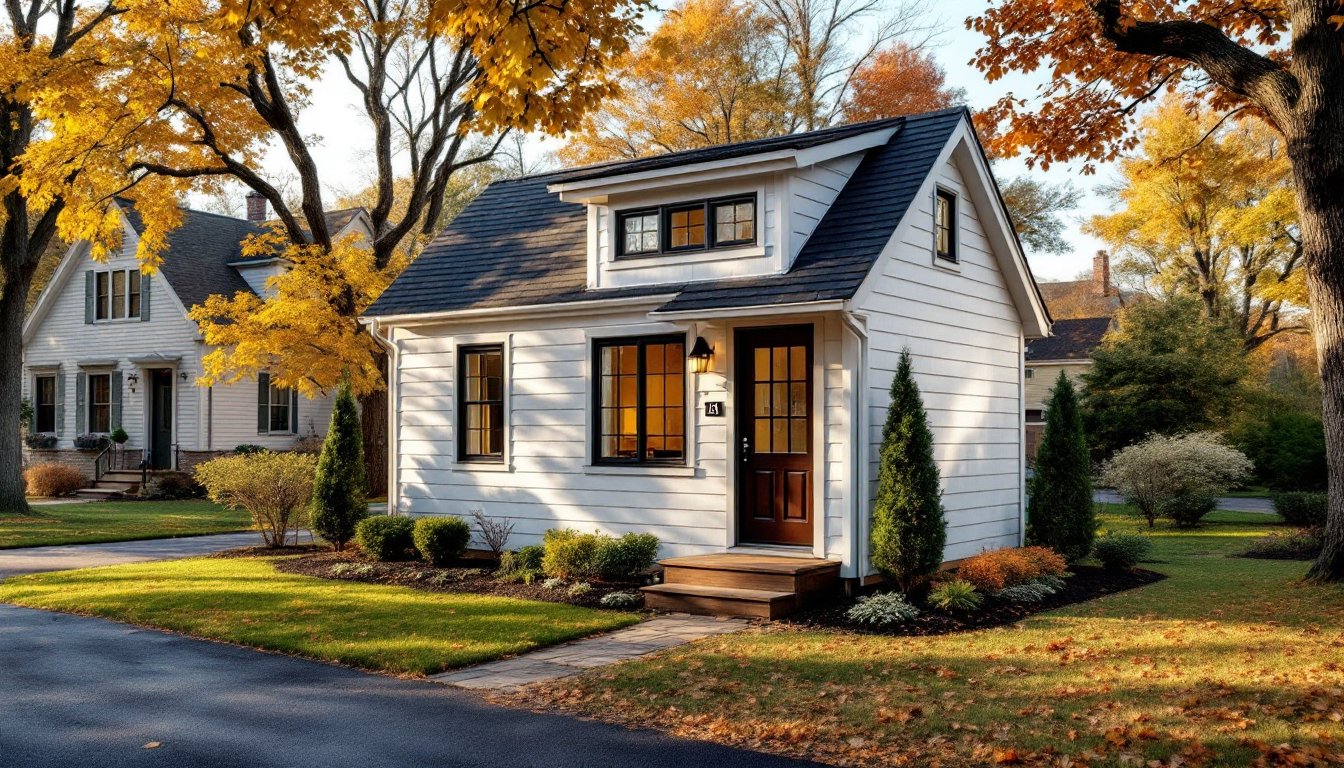
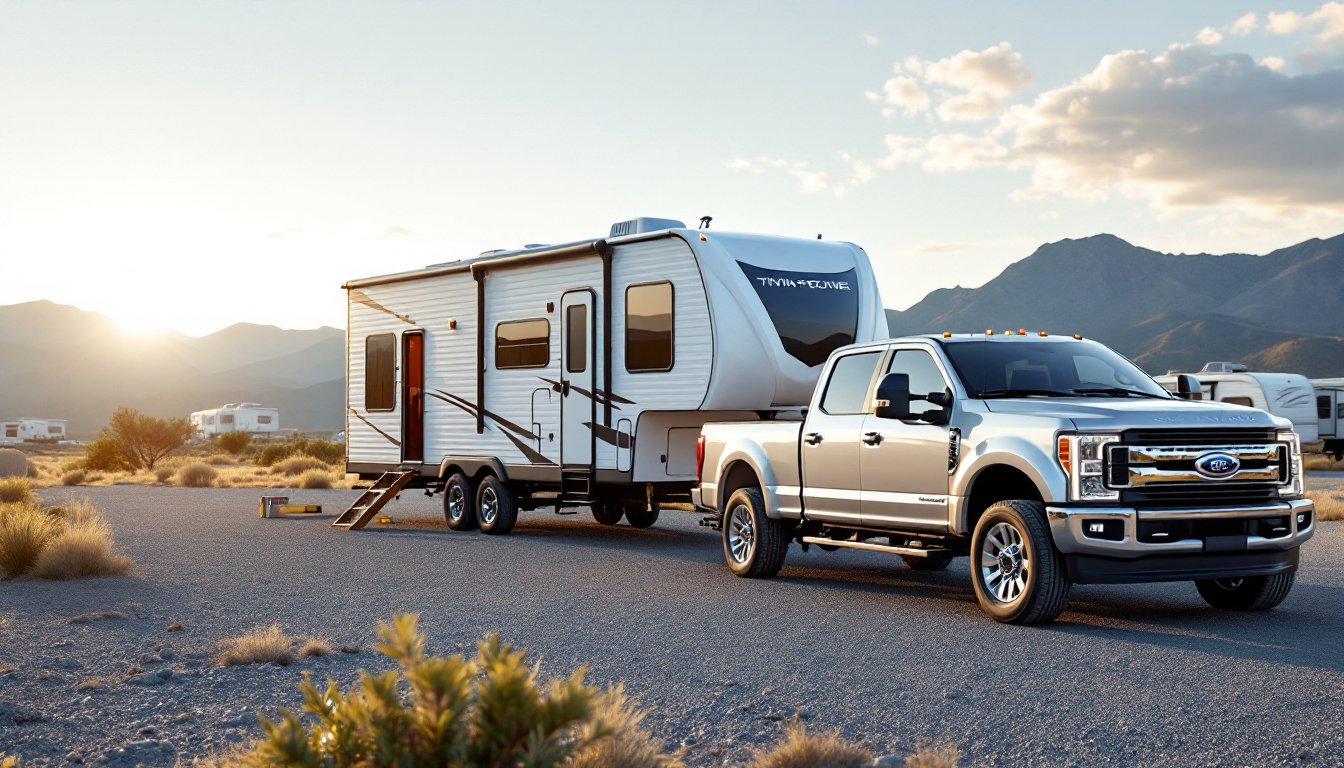
A 5th wheel tiny house represents one of the most practical solutions for those seeking affordable, mobile living without sacrificing comfort. These towable dwellings combine the freedom of RV travel with the stability and space efficiency of a tiny home, offering flexibility that traditional housing simply can’t match. Whether you’re downsizing, exploring full-time travel, or just tired of paying a mortgage, a 5th wheel tiny house might be the answer. This guide walks you through the essentials: what they are, why they work, how to set one up, and what DIY upgrades will make yours truly yours.
Table of Contents
ToggleKey Takeaways
- A 5th wheel tiny house offers affordable mobile living for $30,000–$80,000, a fraction of traditional home costs, with no property taxes or mortgage interest.
- 5th wheel tiny houses require a heavy-duty pickup truck rated for 10,000–15,000 lbs dry weight and demand proper fifth-wheel hitch setup, site leveling, and utility hookup skills for safe operation.
- Maximizing space in a 5th wheel tiny house relies on vertical storage, multifunctional furniture, light colors, and mirrors to create an airy feel that supports extended or full-time living.
- Essential DIY upgrades—including marine-grade caulking, dimmable LED lighting, thermal window coverings, and water filtration—improve comfort, efficiency, and resale value without major expenses.
- Freedom and flexibility come with trade-offs: you can relocate seasonally, but frequent moves, winterization needs, and self-maintenance responsibilities require planning and skill.
What Is a 5th Wheel Tiny House?
A 5th wheel tiny house is a towable trailer that hitches to a heavy-duty pickup truck via a fifth-wheel coupling mounted in the truck bed. Unlike travel trailers that use a bumper hitch, fifth wheels distribute weight more evenly and offer superior stability on the road. Most 5th wheel tiny houses range from 24 to 40 feet long and sleep 2 to 6 people comfortably, with fully equipped kitchens, bathrooms, and living spaces.
The key difference from standard RVs is the emphasis on durability and livability. These aren’t designed purely for weekend trips, they’re built for extended or full-time occupation. Construction typically includes insulated walls, proper ventilation, and heating/cooling systems that rival site-built homes. The “tiny house” label reflects the compact, efficient layout rather than RV-style minimalism.
If you’re considering one, understand that towing a 5th wheel requires a truck rated for the weight (usually 10,000 to 15,000 lbs dry weight, plus cargo). Fuel economy will drop noticeably compared to towing nothing, and maneuvering in tight spaces demands skill and patience.
Advantages of 5th Wheel Tiny Living
Affordability and Cost Savings
A used 5th wheel tiny house typically costs $30,000 to $80,000, a fraction of the median home price. Even new models start around $60,000. Beyond purchase price, there’s no property tax, minimal maintenance compared to site-built homes, and no mortgage interest eating into your budget for 30 years. Monthly expenses shrink too: utilities drop dramatically in smaller spaces, and you can park on RV lots or private land for far less than rent.
But, factor in truck payment (if you don’t already own one), insurance, fuel, and campground fees. Full-time parking at an RV resort runs $400–$2,000 per month depending on location. Private land options are cheaper but may require research and negotiation.
Freedom and Flexibility
Want to spend winter in Arizona and summer in the mountains? Your home goes with you. This mobility appeals to remote workers, retirees, and anyone tired of being geographically locked to a job or family situation. You can test a new region before committing to permanent relocation. Downsizing also forces intentional living, you keep only what matters, which many find liberating.
The flip side: frequent moves mean hookup and breakdown routines, and some climates strain your systems. Harsh winters require winterization: scorching summers demand robust air conditioning. You’re also responsible for your own maintenance and troubleshooting, from plumbing to electrical.
Interior Design and Layout Strategies for Maximum Space
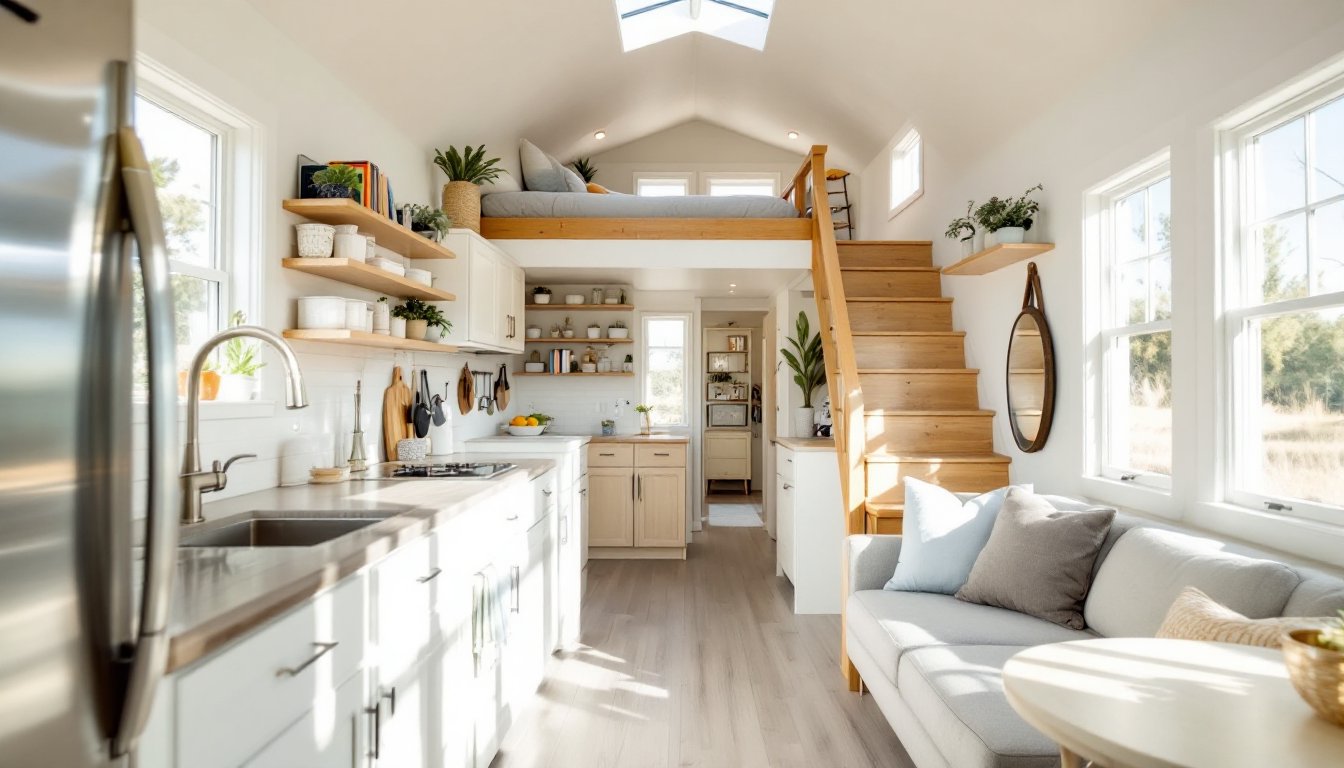
Space is your scarcest resource, so every inch counts. Smart layouts use vertical storage: tall cabinets above couches, shelving that climbs to the ceiling, and wall-mounted fold-down desks. Multifunctional furniture is non-negotiable. A dinette converts into sleeping space: ottoman bases hide storage: murphy beds fold into walls. Many dwellers use real-world home organization tips from minimalist living guides to squeeze maximum function from compact footprints.
Color and light matter hugely. Pale, neutral walls reflect light and visually expand tight quarters. Large windows, mirrors opposite them, and good LED strip lighting create an airy feel. Avoid dark, heavy furnishings, opt instead for low-profile pieces in light wood or composite materials.
Consider your daily rituals. If you work remotely, a dedicated desk or nook is worth building in. If you cook, ensure counter and storage space match your habits, not just basic functionality. Layout varies by manufacturer, but don’t settle for a design that doesn’t suit your lifestyle. Interior design trends often prioritize adaptability, and that principle applies perfectly to 5th wheel living.
Underlayment and flooring protect against moisture and temperature swings. Vinyl plank flooring is durable, affordable, and easy to maintain, ideal for tight spaces that see heavy foot traffic.
Towing and Setup Requirements
Your tow vehicle is the foundation of safe operation. A heavy-duty pickup (3/4-ton or 1-ton) with a fifth-wheel hitch rated for your trailer’s weight is essential. The hitch mounts into a kingpin fastener in the truck bed and provides the mechanical connection. Check your truck’s owner manual for max towing capacity and payload rating, exceeding these voids your warranty and endangers everyone on the road.
Before hitting the road, practice hooking and unhooking in a parking lot. Backing a 5th wheel is counterintuitive: turn the wheel opposite the direction you want the trailer to go. Many DIYers struggle here: take time to learn or have an experienced operator help initially.
At your destination, site leveling is critical for comfort and appliance function. Most 5th wheels have built-in leveling jacks, lowering these pads stabilizes the unit front-to-back and side-to-side. Use a bubble level to verify. Uneven ground can cause propane stoves to malfunction, refrigerators to fail, and water to pool in cabinets.
Utility hookups include water, sewer, and electrical. 50-amp service is standard for larger units: bring a heavy-duty adapter if the campground offers only 30-amp. Fresh water connects via a food-grade hose, and you’ll need a sewer connector kit (usually included). Electrical hookup uses a marine-grade cord with proper grounding. Mistakes here risk serious shock or equipment damage, so don’t improvise, get it right the first time.
Essential DIY Upgrades and Customizations
Factory-standard 5th wheels are functional but often feel generic. Smart upgrades add comfort, efficiency, and resale value. Exterior caulk and sealant keep water out, inspect seams quarterly and re-seal as needed using marine-grade silicone caulk, not standard caulk. This single task prevents rot and moisture damage that tank plumbing and electrical systems.
Interior lighting upgrades yield big returns. Replace incandescent or cheap LED overhead fixtures with warm, dimmable LED strips. They use minimal power, run cool, and create a homey atmosphere. Install strips along cabinets, under shelves, and around the bed frame.
Window coverings deserve attention. Factory shades are flimsy and let light leak. Upgrade to quality roller shades or thermal blackout curtains to regulate temperature, improve privacy, and darken for better sleep. On a hot day, proper shading can drop interior temperature 5–10 degrees, easing AC load.
Flooring and wall finishes are candidates for budget-friendly DIY makeovers. Self-adhesive vinyl plank flooring covers worn carpet in an afternoon. Removable peel-and-stick wallpaper or contact paper on cabinet doors refreshes the galley kitchen without permanent changes. Always patch and prime before painting walls to ensure paint adheres to the smooth RV surface.
Water system improvements matter for daily living. Many owners add a water filtration system (reverse-osmosis or carbon filter) to improve taste and reduce sediment. Upgrading the showerhead to a low-flow model cuts water consumption and eases strain on the freshwater tank.
Wear safety glasses when working overhead, and work gloves when handling sharp edges on cabinetry or trim. Proper ventilation is crucial when applying sealants or adhesives in the confined space. A battery-powered drill and jigsaw handle most cabinet modifications: a caulk gun is essential for sealing work.