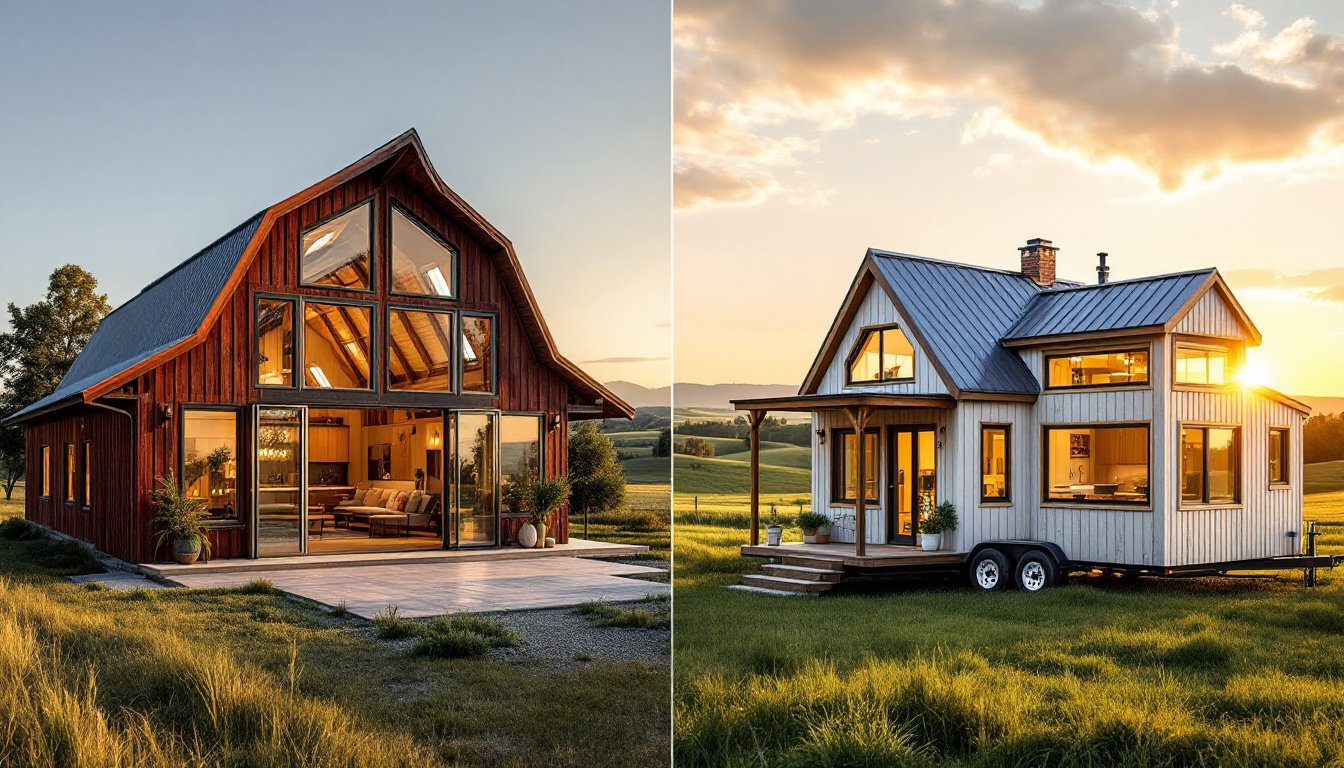
You’re standing at a crossroads. Housing costs keep climbing, and the idea of downsizing, or building something entirely custom, is starting to make real financial sense. Two options keep popping up: barndominiums and tiny houses. Both promise affordability and freedom from the traditional housing market, but they’re fundamentally different animals. A barndominium converts an existing barn or agricultural structure into a livable space, while a tiny house is a purpose-built, compact dwelling, often mobile. Understanding which fits your lifestyle, budget, and long-term goals is the key to making the right choice for your situation in 2026.
Table of Contents
ToggleKey Takeaways
- Barndominiums convert existing agricultural structures into spacious, high-ceiling homes with industrial aesthetics, while tiny houses are purpose-built, compact dwellings (200–400 sq ft) optimized for efficiency and often mobile.
- Barndominium conversion costs range from $80–$150 per square foot for existing structures, whereas tiny houses typically cost $40,000–$80,000 upfront, though tiny houses win on long-term utility expenses ($100–$150 monthly vs. $200–$400).
- Zoning and permit approval present critical hurdles for both options—barndominiums require conditional-use permits and code reviews, while mobile tiny houses may be classified as RVs and face restrictive zoning, making pre-purchase county research essential.
- Choose a barndominium if you want permanent roots, space for families or remote work, and appreciation potential in growing markets; select a tiny house if you’re committed to minimalism, value mobility, and prioritize lower monthly expenses and reduced maintenance.
- Barndominiums offer stronger resale value in rural and semi-rural markets (3–5% annual appreciation), while tiny houses depreciate like vehicles and appeal to a niche buyer pool, making them riskier long-term investments than conventional real estate.
- Before committing to either a barndominium or tiny house, audit your actual lifestyle preferences, verify local zoning laws, and run realistic budget scenarios—the right choice fits how you genuinely live, not just the lower price tag.
What Defines a Barndominium and Tiny House
Key Differences in Design and Functionality
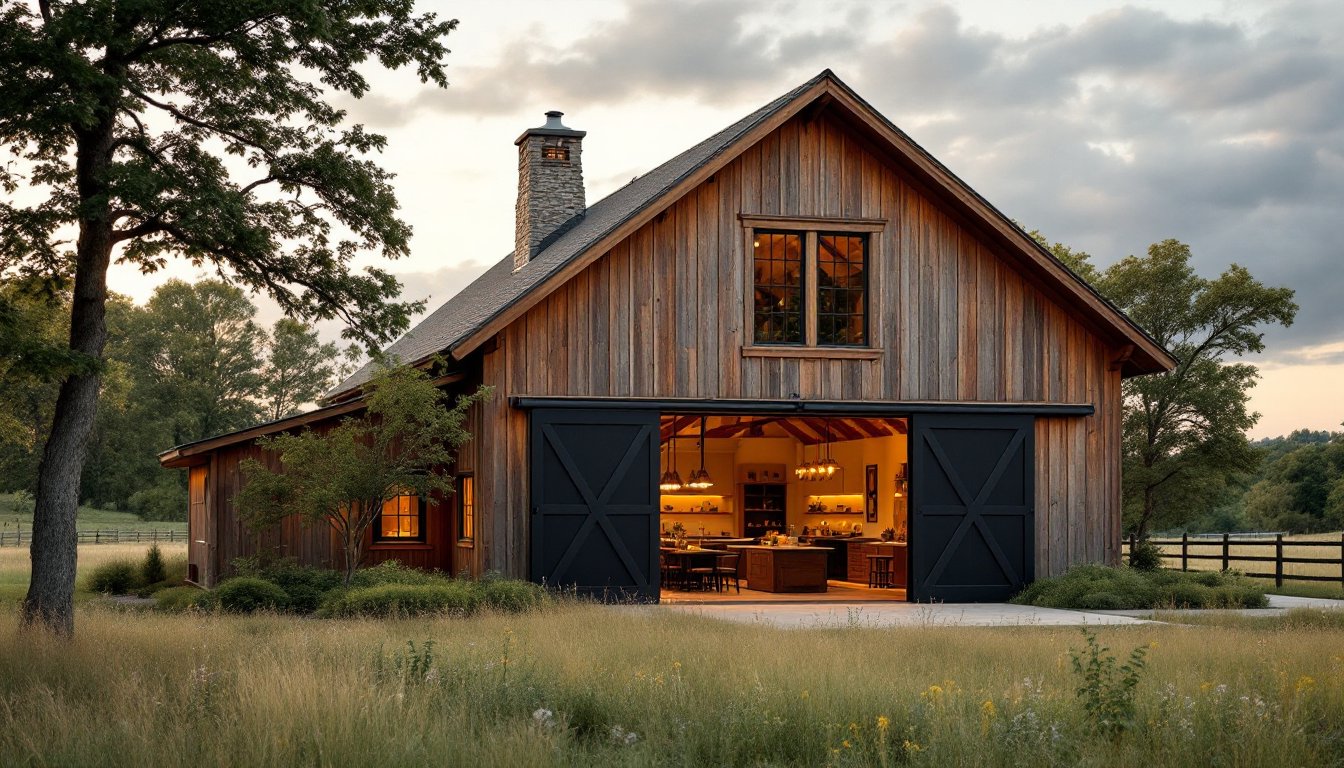
A barndominium starts with existing bones, a barn, warehouse, or similar agricultural structure, and transforms it into a residence. The appeal is straightforward: you’re working with a large footprint and high ceilings, which means open floor plans and dramatic living spaces without the cost of building from scratch. You’ll typically find exposed beams, polished concrete floors, and that sought-after industrial-rustic aesthetic that’s hard to achieve in new construction.
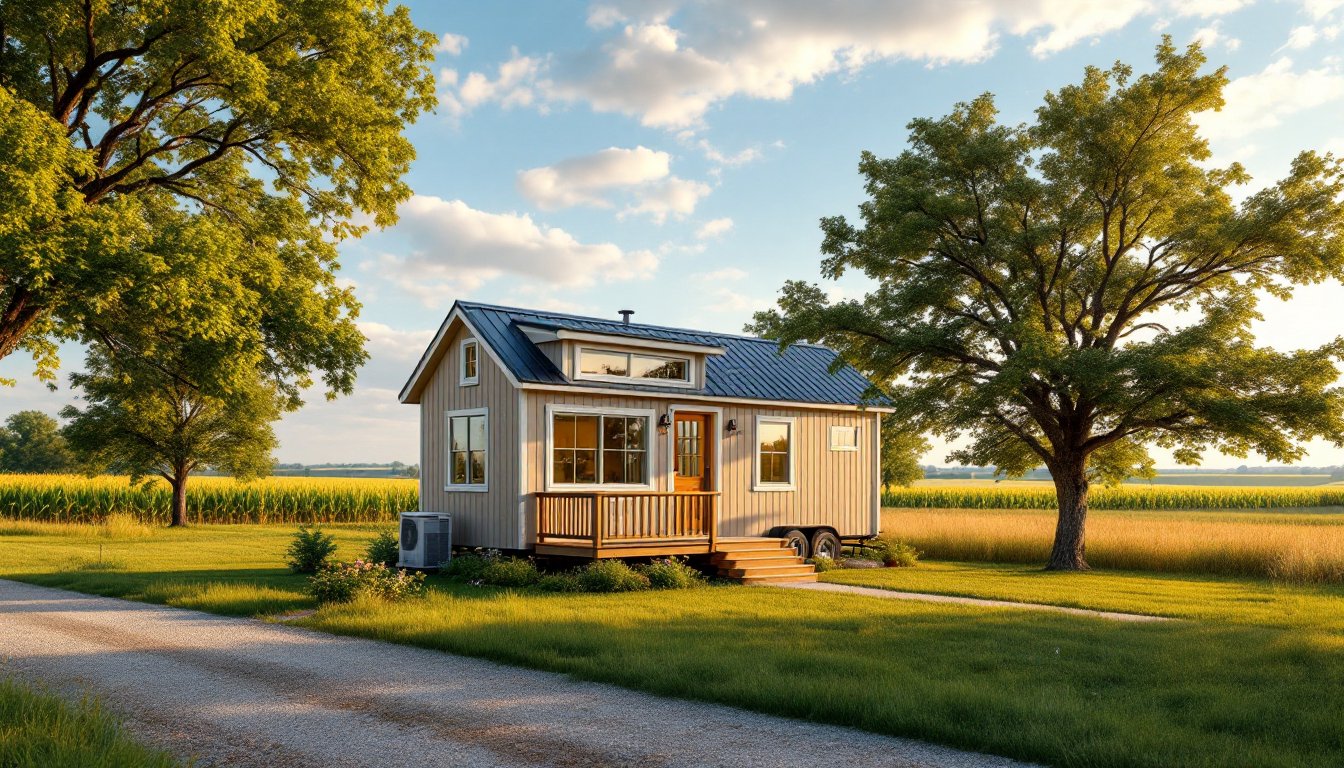
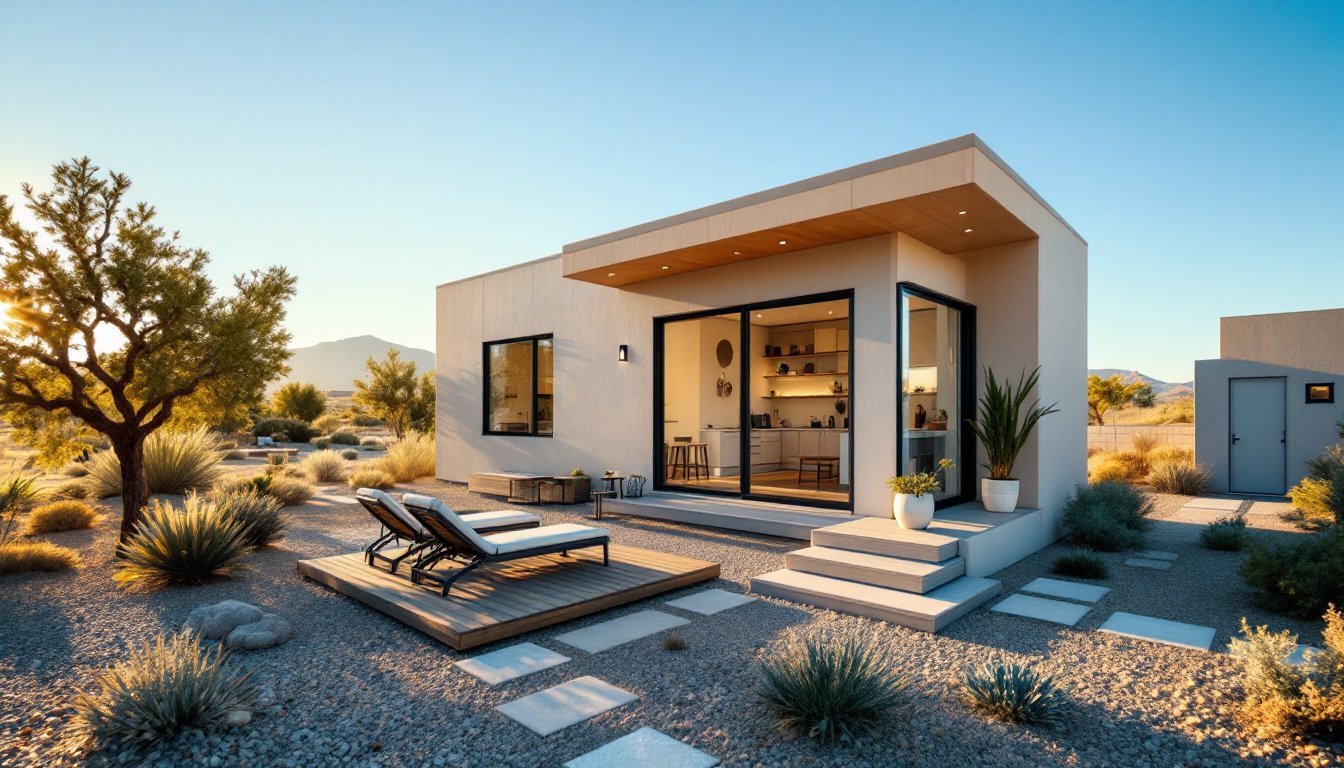
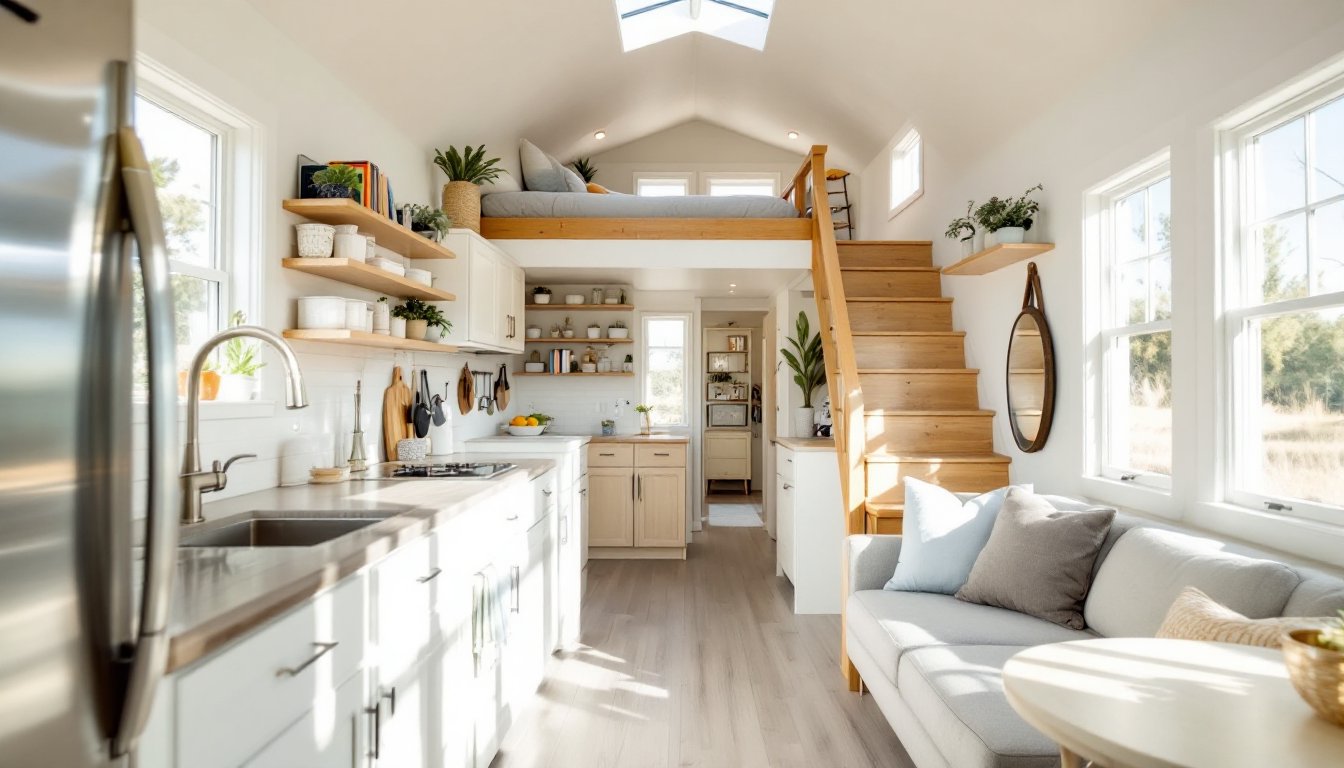
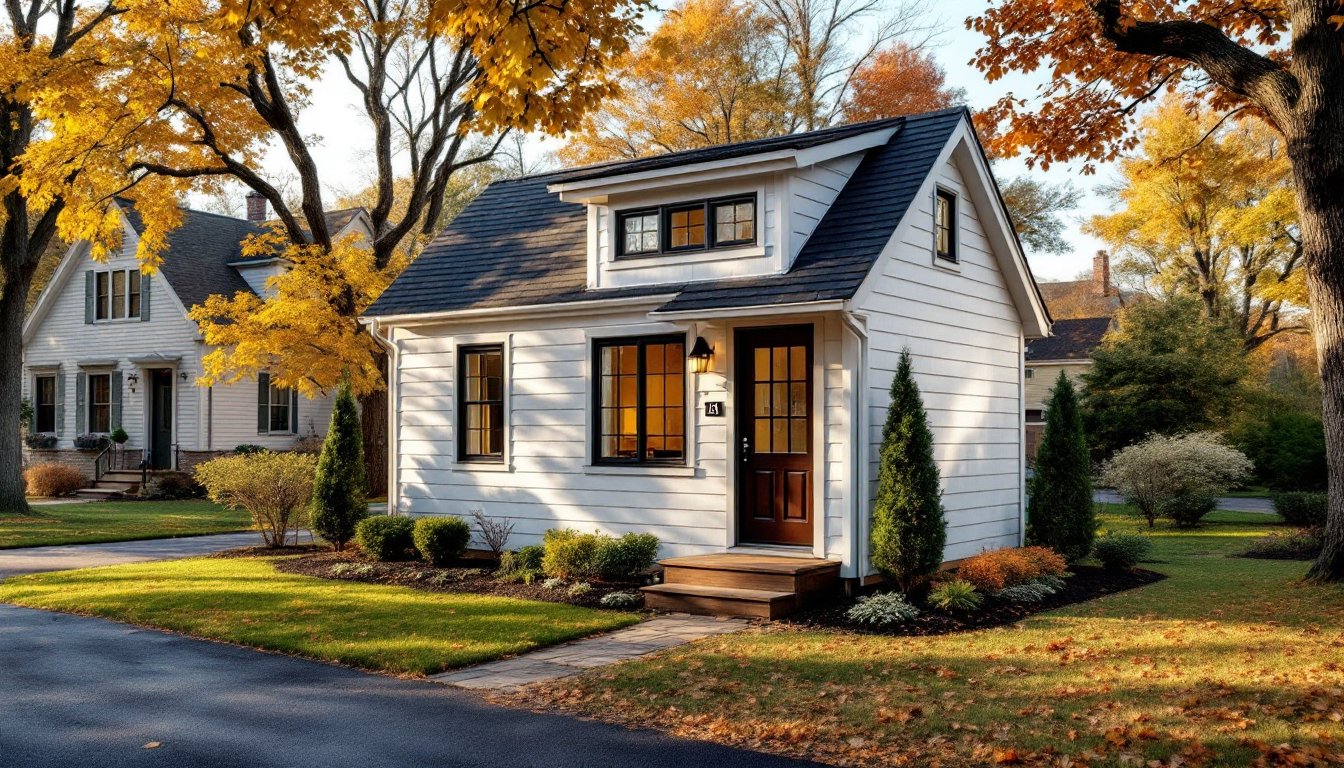
A tiny house, by contrast, is purpose-built for efficiency. It’s usually between 200 and 400 square feet, designed with every inch optimized for function. Lofted bedrooms, multi-use kitchens, and storage-integrated walls are standard. Most tiny homes sit on trailers (making them mobile), though stationary foundation-based versions exist.
The core difference: barndominiums offer volume and space, while tiny houses demand intentional design and minimalism. In a barndominium, you’re managing open areas and how to furnish them meaningfully. In a tiny house, you’re working within tight quarters and making every decision count. Think of it as the difference between having too many rooms to fill versus having barely enough closet space for your belongings.
Cost Comparison: Building and Living Expenses
Barndominium costs vary wildly depending on whether you own the barn already or purchase it. If you own land with an existing structure, conversion costs typically run $80–$150 per square foot for a basic finish. A 2,000-square-foot barndominium might cost $160,000–$300,000 in labor and materials. If you’re buying the property plus converting it, factor in land acquisition, which can easily double that number depending on location.
Tiny house costs are often lower upfront: $40,000–$80,000 for a well-built, trailer-based unit from a manufacturer, or $60,000–$120,000 if custom-built. The per-square-foot cost is actually higher (often $100–$250), but the total price tag stays manageable because you’re working with less total square footage.
Living expenses tell a different story. Tiny houses win here: lower utilities, minimal maintenance, and reduced property taxes (in most cases). Barndominiums cost more to heat, cool, and maintain, that cathedral ceiling is beautiful but inefficient. A typical tiny house insulation approach focuses on continuous vapor barriers and strategic placement to manage compact spaces, whereas a barndominium requires thoughtful zone heating and possibly more robust HVAC systems. Long-term, a tiny house resident might spend $100–$150 monthly on utilities: a barndominium could run $200–$400 depending on climate and finishes.
Regional variation matters enormously. Rural land is cheaper, favoring barndominiums. Urban areas often impose zoning restrictions on both, but when tiny houses are allowed, land premiums spike.
Zoning, Permits, and Legal Considerations
This is where dreams meet bureaucracy. Barndominiums occupy a gray area in many jurisdictions. Converting a barn to residential use typically requires a conditional-use permit, zoning variance, or both. Some counties embrace them: others flatly prohibit residential use of agricultural structures. You’ll also face building code reviews: electrical, plumbing, insulation, and egress (emergency exits) standards apply to the interior, even if the exterior shell is old. Jurisdictions vary, check your county’s IRC (International Residential Code) adoption and local amendments.
Tiny houses face similar uncertainty, especially mobile ones. If your tiny house sits on a trailer, it may be classified as an RV in some places, which means you can’t live in it permanently as a primary residence. Stationary tiny homes fare better but still encounter restrictive zoning that requires minimum lot sizes or square footages. Some progressive municipalities (Austin, Texas: Portland, Oregon: and parts of California) have relaxed rules. Others remain hostile.
The practical step: before committing to either path, spend a few hours at your county assessor’s office or planning department. Ask directly about ADU (accessory dwelling unit) laws, agricultural conversion policies, and tiny-home ordinances. A $20 permit inquiry beats a $50,000 legal battle. Some jurisdictions now allow ADUs on residential lots, which can shelter both barndominiums and certain tiny homes under that umbrella, though rules differ significantly by state and county.
Space Efficiency and Lifestyle Fit
A barndominium suits people who crave open space but not sprawling maintenance. If you love cooking and need counter room, work from home and want a dedicated office, or host gatherings, a 1,500–2,500 square foot barndominium delivers comfort without the burden of a full suburban home. You get closets, separate bedrooms, and breathing room, genuine luxury after living tight.
Ideally suited: empty nesters downsizing, remote workers, artisans needing a studio, or small families comfortable with minimal but intentional decor.
A tiny house demands a shift in mindset. It’s not “smaller living”, it’s different living. Clutter is immediately visible. Kitchen prep space is limited. Overnight guests need planning. Laundry requires dual-purpose cycles in compact stackable units. For some, this constraint is liberating: for others, it’s maddening.
Ideally suited: minimalists, solo dwellers, couples without children, digital nomads, or anyone genuinely committed to reducing possessions.
Consider mobility too. A mobile tiny house offers flexibility: take your home to different states or regions, or test living arrangements before committing to land. A barndominium roots you: you’re invested in the structure and the property. Moving a 2,000-square-foot building is economically impractical. If lifestyle change or relocation is on the horizon, a tiny house’s portability is genuinely valuable. For stability and staying put, a barndominium’s permanence and space win.
Resale Value and Long-Term Investment Potential
Barndominiums hold solid resale appeal in rural and semi-rural markets. The aesthetic, authentic barn character plus modern finishes, attracts buyers seeking a middle ground between rural authenticity and contemporary comfort. Appreciation depends heavily on location: properties near growing towns or within commute distance of metro areas gain value: isolated rural barndominiums may languish if the local market stagnates.
Due diligence: research your county’s recent comparable sales. A converted barn might appreciate at 3–5% annually if the area is appreciating, or stagnate entirely in decline zones. Financing can also be tricky: some lenders hesitate on non-traditional structures, which narrows your buyer pool and affects refinancing options.
Tiny houses are riskier resale bets, especially mobile ones. The market for used tiny homes exists but is niche and often emotional (buyers are downsizing dreamers or lifestyle experimenters, not mainstream home-seekers). Depreciation on a $70,000 tiny house might mirror a vehicle’s curve: 10–15% year one, then stabilization. Some custom-built stationary tiny homes on owned land perform better, particularly in progressive communities where demand exists.
For investment returns, neither option matches traditional real estate. If your primary goal is wealth building through home equity, a modest conventional house in an appreciating market typically outpaces both. But, if you’re optimizing for immediate cost reduction and lifestyle fit, both barndominiums and tiny houses win by lowering your monthly burden, freeing capital for other investments. Research your specific market: general rules don’t hold across all regions and property types.
Conclusion
Barndominiums and tiny houses both challenge the standard housing model, but they serve different needs. Choose a barndominium if you want space, permanence, and a unique aesthetic without the full weight of a traditional house. It requires land, zoning approval, and tolerance for higher utility costs, but it rewards you with room to breathe and a property that appreciates in the right market. Choose a tiny house if you’re ready to embrace minimalism, want lower monthly expenses, and value flexibility, especially mobility. The trade-off is constraint and a narrower buyer pool if you ever resell. Take time auditing your actual lifestyle preferences, verifying local zoning laws, and running realistic budget scenarios. The right choice isn’t cheaper: it’s the one that genuinely fits how you live.