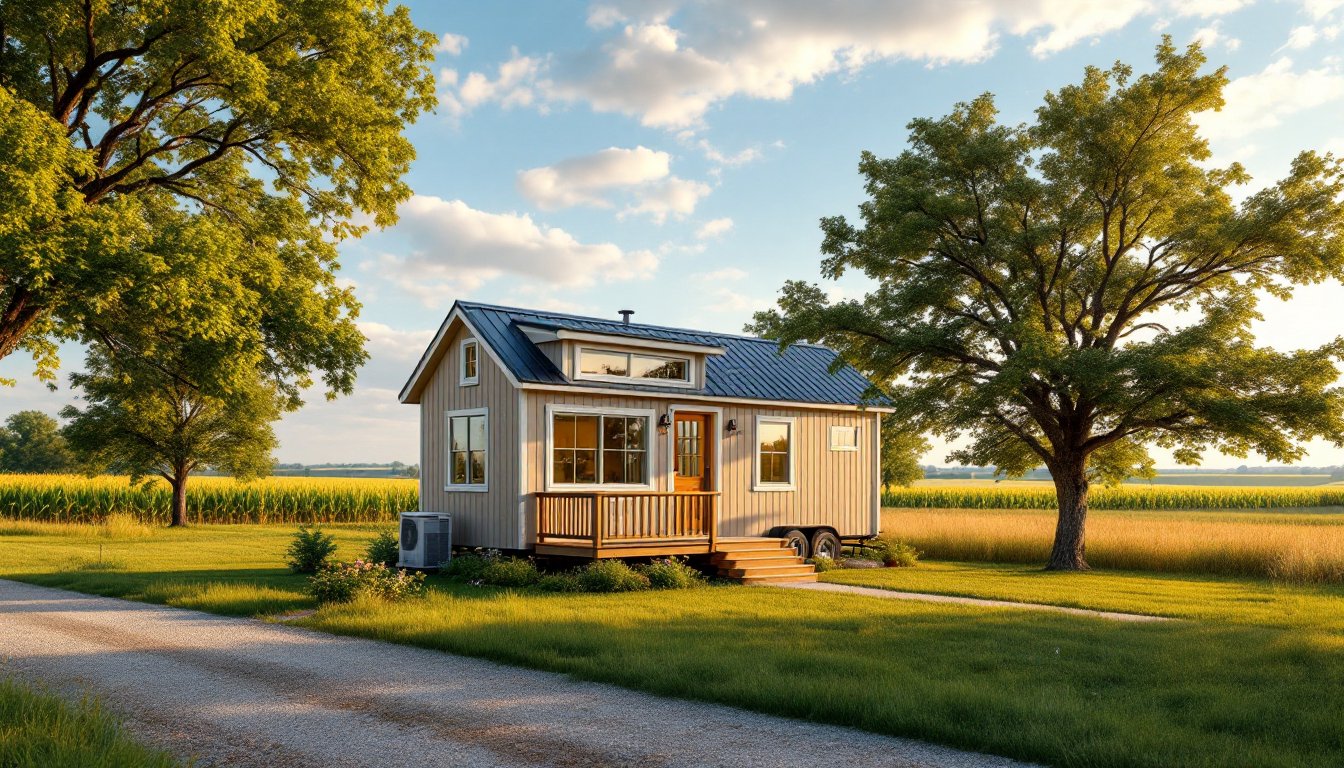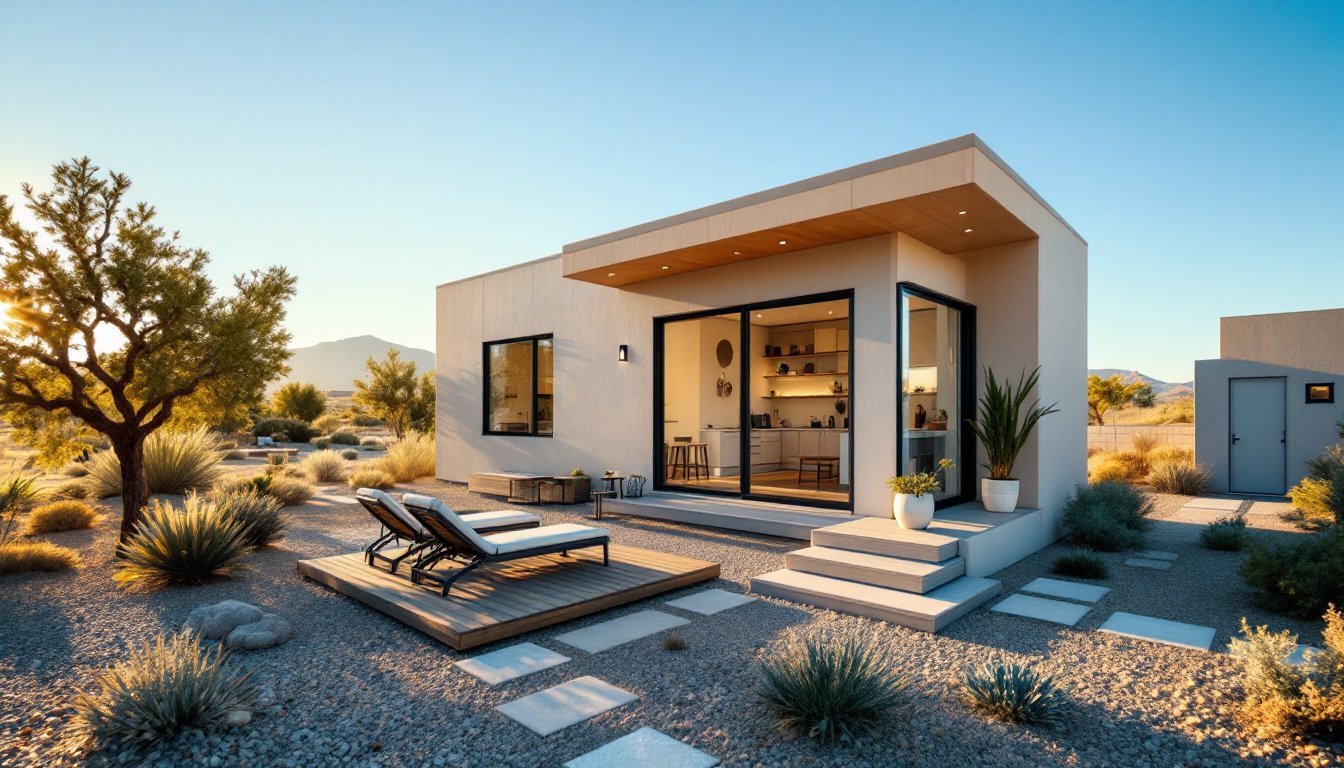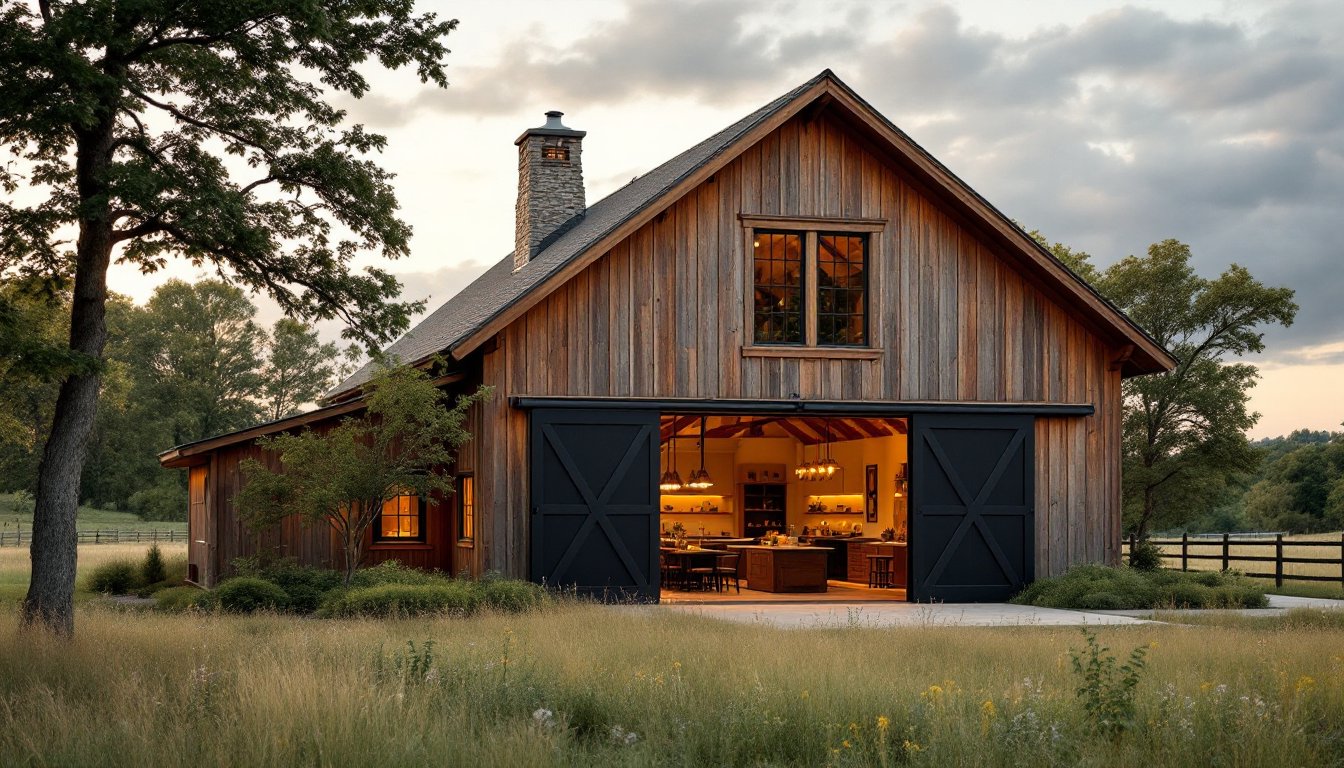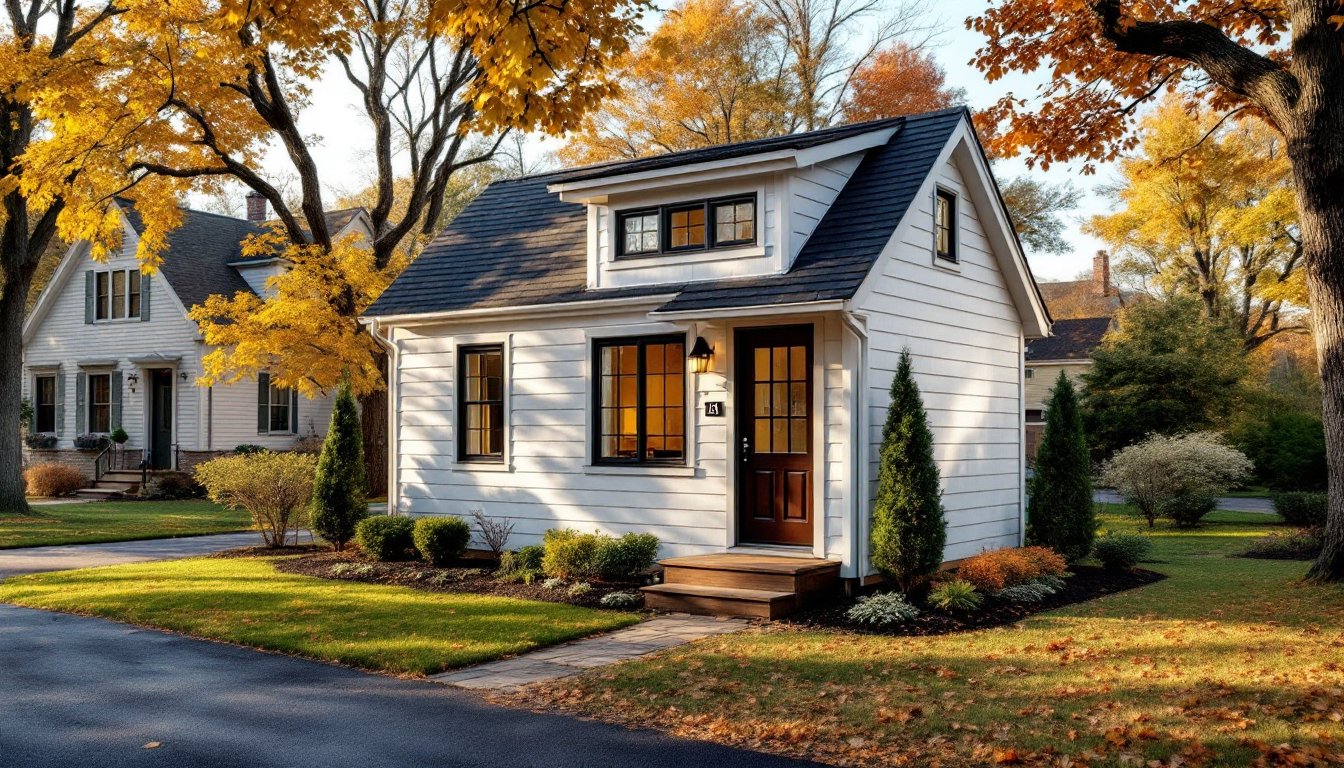
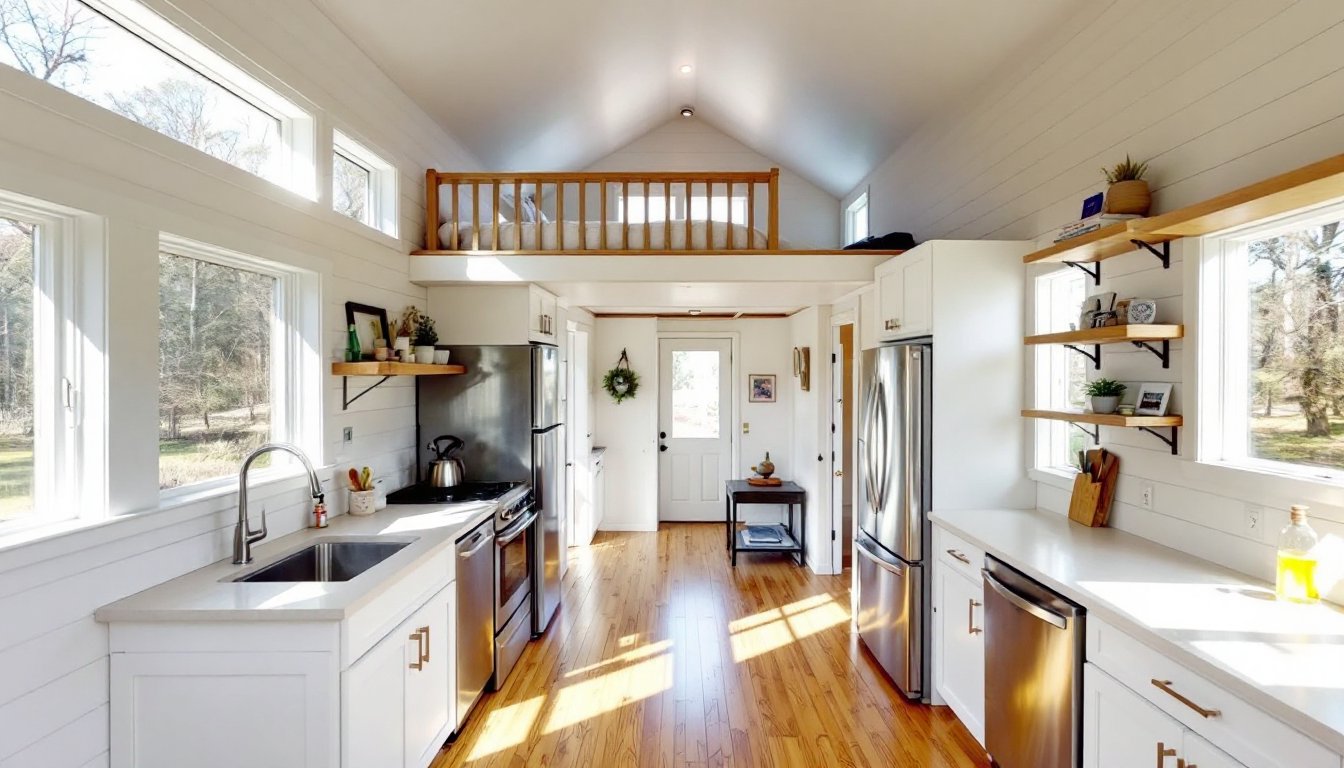
A 12×16 tiny house offers 192 square feet of intentional living space, compact enough to minimize overhead and environmental impact, yet large enough to feel like a real home. Whether you’re downsizing, building a guest cottage, or exploring an affordable housing option, the 12×16 footprint strikes a practical balance. The key to making these floor plans work is smart layout design, thoughtful material choices, and understanding how to stack functionality without feeling cramped. This guide walks you through proven layout strategies and floor plan configurations so you can maximize every inch.
Table of Contents
ToggleKey Takeaways
- A 12×16 tiny house offers 192 square feet of intentional living space that balances affordability, environmental impact, and comfort without feeling cramped like extremely compact structures.
- Open-concept design is essential for 12×16 floor plans—using zone separation through partial cabinets, flooring changes, and strategic furniture instead of walls maximizes perceived space and natural light.
- Vertical storage solutions, including wall-mounted shelving, lofts, and double-hanging closets, are critical for efficiently using limited floor space in a 12×16 layout.
- Single-story 12×16 configurations typically place the bathroom and kitchen along one wall with an open living area and small bedroom alcove, while loft-sleeping arrangements maximize usable living space on the main floor.
- Loft designs require 12–14 feet of interior clearance and proper cross-ventilation to prevent heat buildup, making them ideal for couples or small families seeking privacy without interior walls.
- Grouping kitchen and bathroom plumbing back-to-back reduces construction complexity and costs while making maintenance easier in any 12×16 tiny house floor plan.
Why 12×16 Tiny Homes Are Perfect for Modern Living
A 12×16 footprint sits at an ideal sweet spot for tiny living. It’s large enough to contain a proper kitchen, full bathroom, sleeping area, and living room without stacking everything vertically or relying on gimmick furniture. It’s also small enough that heating, cooling, and maintenance costs drop dramatically compared to a conventional home.
The 12×16 dimension works well for traditional building methods and site placement. Unlike extremely small structures (sub-150 sq ft), a 192-square-foot space doesn’t feel like you’re living in a shipping container or she-shed, though those are valid options too. You can stand, stretch, cook a meal, and host a friend without feeling like sardines.
These homes are also popular for accessory dwelling units (ADUs), guest houses, and rural retreats. Many jurisdictions have fewer restrictions on a modest 12×16 structure than on larger builds, making permitting and zoning easier. Whether built on a foundation, skids, or wheels, the proportions are forgiving and economical to construct.
Essential Layout Strategies for Efficient Small Spaces
Open Concept Design Principles
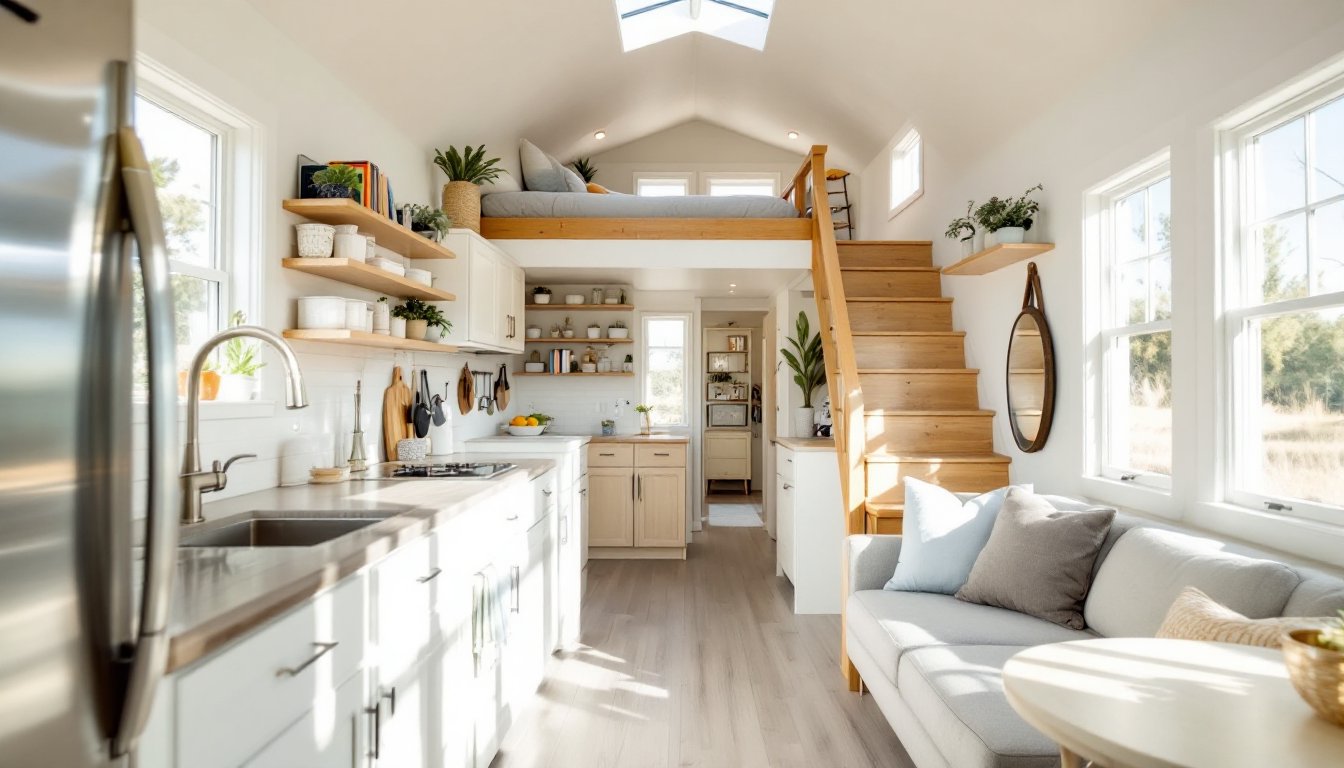
Open-plan layouts are the foundation of tiny house living. Instead of dividing the 12×16 box into separate, enclosed rooms, an open concept removes interior walls and lets the space breathe visually. This means your living area, kitchen, and entry merge into one volume, making 192 square feet feel larger than it is.
The trick is to define zones without walls. A kitchen peninsula or partial-height cabinet can separate the cook zone from the living room. A change in flooring material, say, tile in the kitchen and wood in the living area, creates psychological boundaries without blocking sight lines. Ceiling height shifts and strategic furniture placement also carve out distinct zones.
Electricity and plumbing run through a central spine. Group the kitchen and bathroom back-to-back or close together to minimize pipe runs and reduce framing complexity. This saves money, reduces waste, and makes future repairs easier. Windows should be placed to bounce light across the entire footprint: avoid dark corners that make the space feel cramped.
Apartment Therapy offers countless case studies showing how small-space dwellers maximize their square footage using these principles, plenty of visual inspiration when you’re stuck in the design phase.
Vertical Storage Solutions
With limited floor space, you must build upward. Wall-mounted shelving, tall cabinetry, and overhead storage turn unused vertical real estate into functional square footage. A 10-foot ceiling gives you two-thirds more wall volume than a 6-foot-tall wall.
Mezzanines and lofts are common in tiny houses and work beautifully in a 12×16 layout. A sleeping loft cantilevered over the living area or kitchen reclaims precious floor space. Just ensure your ceiling height supports it: a loft platform at 8 feet leaves about 3 feet of headroom beneath it, tight for living, fine for storage.
Inside cabinetry, stack items vertically using pull-out drawers and shelf dividers instead of deep cabinets where things get lost. Pegboards, magnetic strips, and hook rails keep everyday tools and gear visible and accessible. Closets should use double-hanging rods and vertical dividers to maximize clothing storage. Over-the-door organizers and under-bed containers capture dead space. Every square inch counts, so avoid leaving shelves bare or using oversized furniture that eats up room without purpose.
Popular 12×16 Floor Plan Configurations
Single-Story Layouts
A single-story 12×16 layout works best when the sleeping area is a small bedroom or alcove off the main living space, often with a pocket door or curtain rather than a full wall. The remaining 120–140 square feet holds your living room, kitchen, and bathroom in one open floor plan.
One popular configuration places the bathroom and a small kitchen along one long wall, leaving the opposite side open for the living area and a modest bedroom nook at the far end. The entry is typically at one corner, avoiding a hallway that would waste space. Bedrooms in these plans are usually 10×8 feet or smaller, tight, but functional if the bed is against one wall and a small dresser fits under a window.
Another approach runs the kitchen down the center of the space with a peninsula that faces the living area, creating a semi-open kitchen that doesn’t dominate the room. The bathroom and bedroom occupy opposite short walls, and the entry opens into the living/kitchen zone.
Build-ready plans are available from sites like Ana White, which offers free DIY-friendly designs with detailed cut lists and step-by-step instructions. Some builders also reference modified commercial shed plans, adapting a 12×16 agricultural or storage structure for residential use by upgrading insulation, windows, and utilities. Fine Homebuilding’s reader projects showcase real-world builds using this approach.
Loft-Sleeping Arrangements
A loft flips the single-story model on its head. The bedroom becomes an elevated platform above the living area, accessed by stairs or a ladder. This works only if your building height allows, typically needing 12–14 feet of interior clearance to make a loft feel comfortable.
A loft layout squeezes a full bed (or two singles) in a 10×8-foot upper space while the downstairs stays completely open for living and cooking. Stairs can be a full staircase, a steep ladder, or floating steps tucked into one corner. Spiral stairs save the most floor space but are tougher to build and navigate with furniture.
Ventilation is critical in a loft design. Hot air rises, so a sleeping loft in summer can become a sauna without proper airflow. Ensure your windows and vents promote cross-ventilation, and consider a tiny house insulation strategy that includes reflective roofing and adequate soffit and ridge vents. Some builders add a small window or vent directly in the loft space to prevent heat buildup.
Loft plans also suit couples or small families better than single-story layouts, as the sleeping area feels more separated from daily living zones, more privacy without actual walls. A dedicated sleeping loft also works well for accessory dwelling units or guest houses where occupants might appreciate the distinction between “sleeping zone” and “living zone,” even in a tiny footprint.