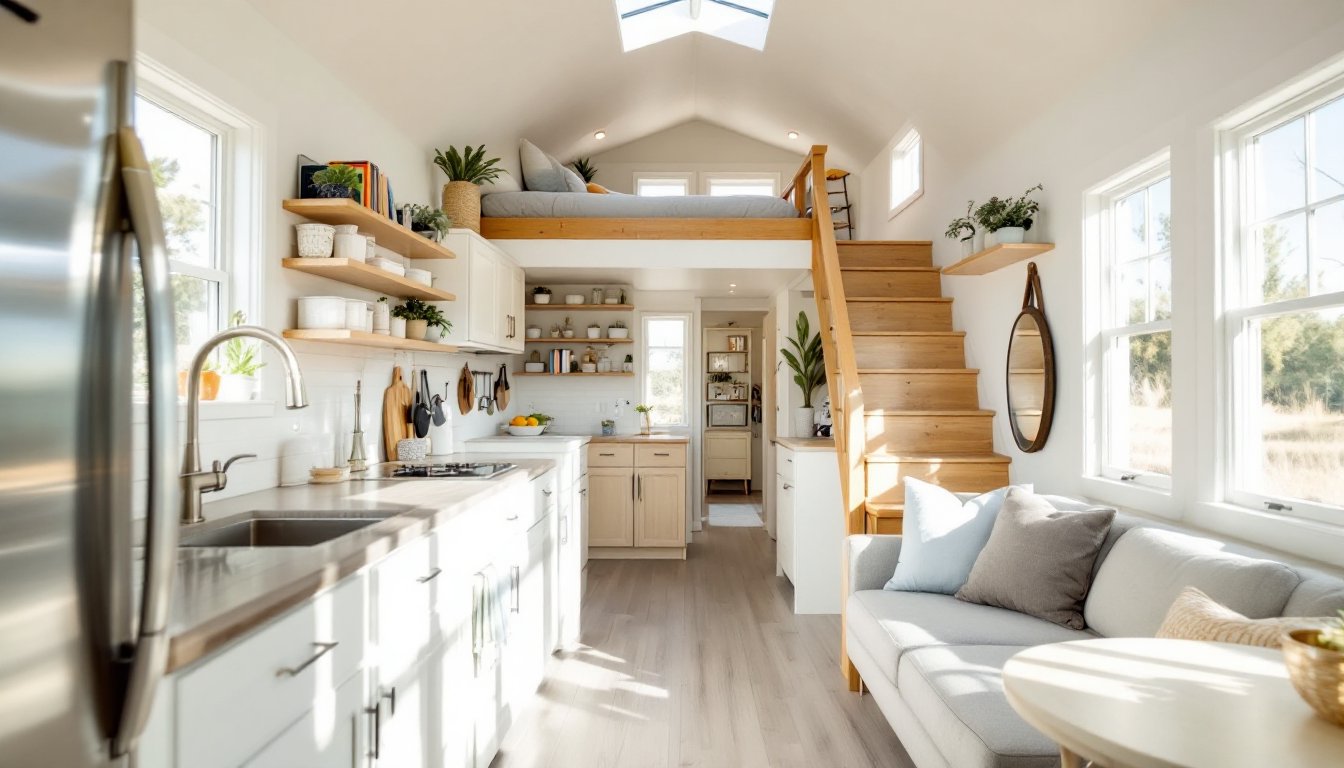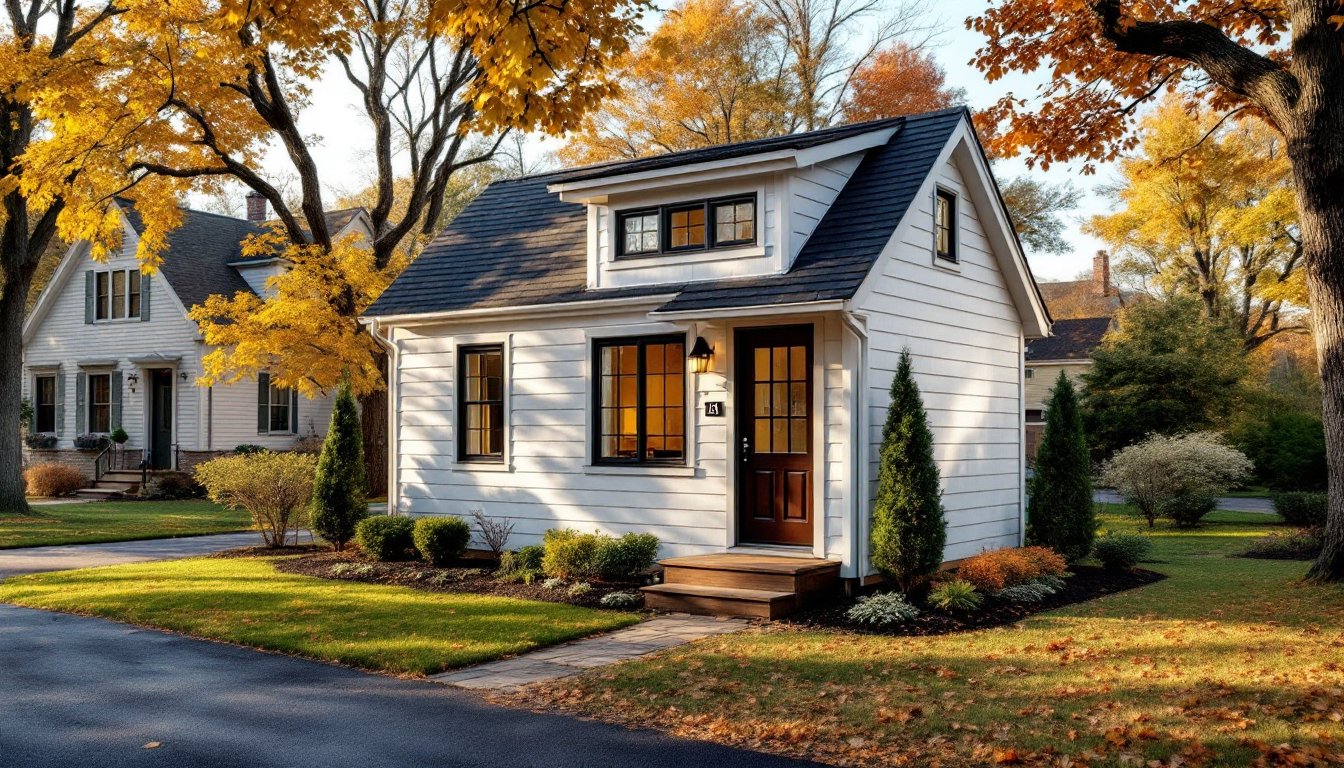
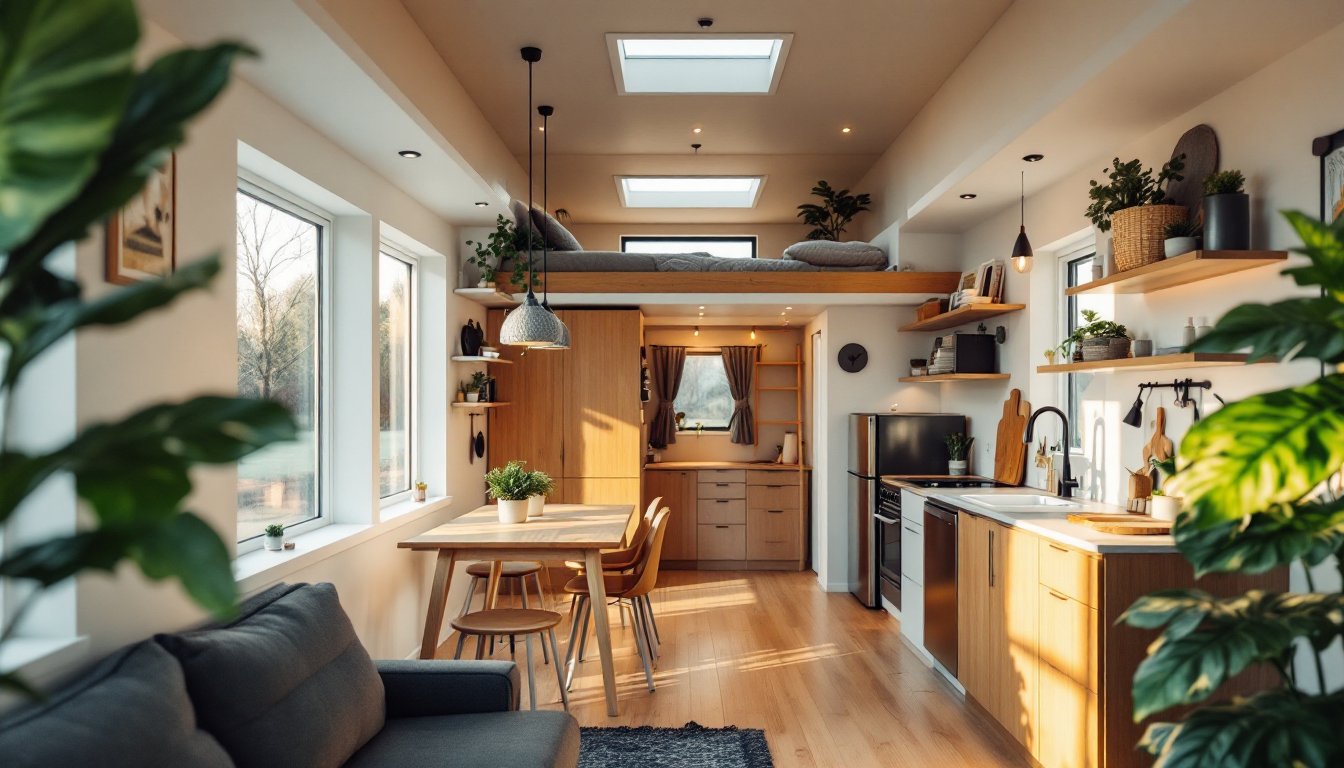
Tiny homes have moved beyond niche appeal, they’re now reshaping how homeowners think about space, cost, and sustainability. Whether you’re downsizing after the kids move out, tired of maintaining a sprawling property, or simply craving a more intentional lifestyle, tiny homes offer a practical alternative to conventional housing. At roughly 400 square feet or less, these compact dwellings aren’t about deprivation: they’re about efficiency, affordability, and meaningful living. This guide walks you through what defines tiny homes in 2026, why homeowners are making the jump, and how to design and transition into tiny living successfully.
Table of Contents
ToggleKey Takeaways
- Tiny homes typically range from 300-500 square feet and offer full functionality with kitchens, bedrooms, and bathrooms at a fraction of traditional housing costs ($50,000-$150,000 vs. $400,000+).
- Construction and monthly expenses for tiny homes are significantly lower, with owners reporting 50% or more reduction in housing costs through lower property taxes, utility bills, and maintenance.
- Tiny home design prioritizes multi-functional furniture, vertical storage, natural light, and intentional layouts to maximize livability without feeling cramped or sacrificing comfort.
- Successful transition to tiny living requires downsizing possessions first, understanding local zoning laws, and honestly assessing your lifestyle needs rather than attempting to transport your entire previous life.
- Tiny homes deliver measurable environmental benefits including reduced energy consumption, fewer building materials, and feasibility for renewable energy systems like solar panels.
- Joining tiny home communities and researching local regulations before committing helps new residents navigate the transition smoothly and access support from experienced tiny home dwellers.
What Defines A Tiny Home Today
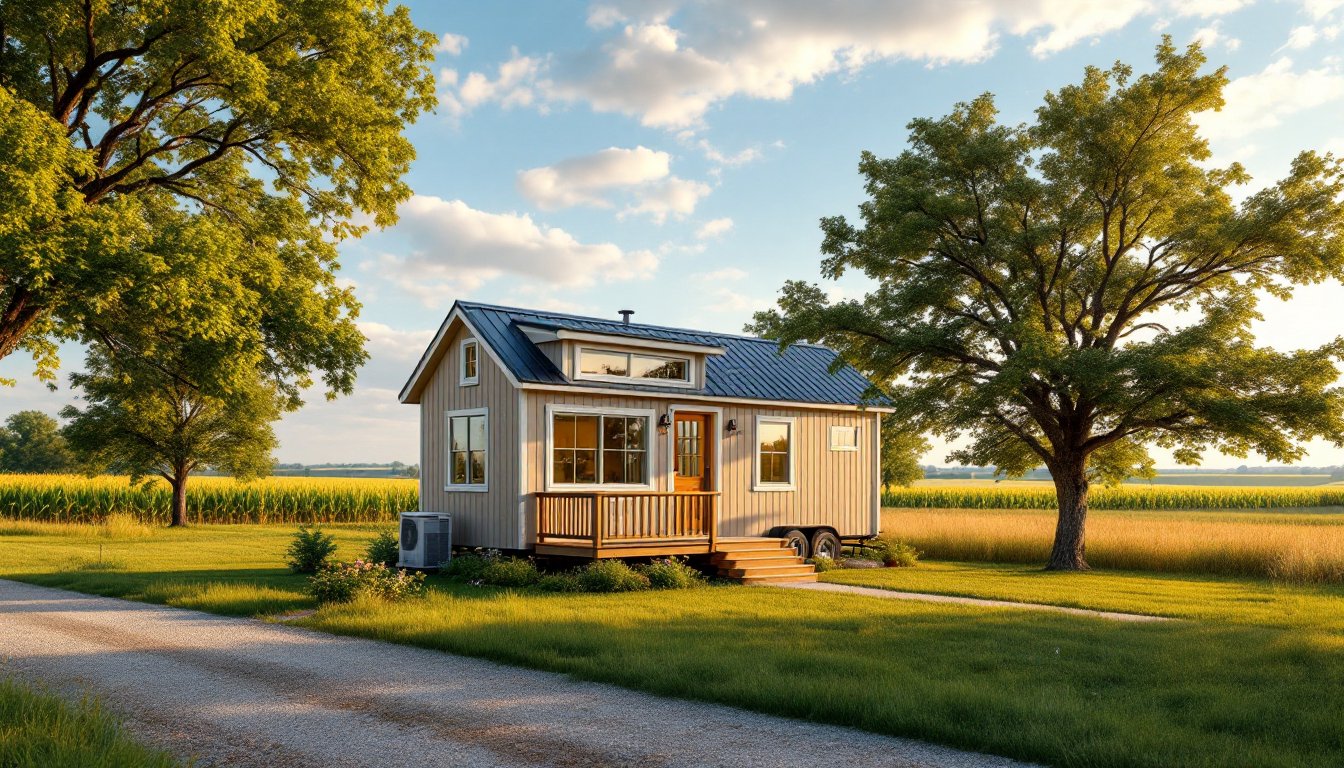
A tiny home typically measures between 300 and 500 square feet, small enough to fit on a foundation or a trailer, but large enough to include a kitchen, bedroom, bathroom, and living area. The National Association of Home Builders generally categorizes anything under 600 square feet as micro-housing, though the “tiny home” label has become more cultural than strictly definitional.
What separates a tiny home from a studio apartment? Ownership and customization. Most tiny homes are owned outright or financed like traditional houses, and they’re built to specific preferences rather than mass-produced. Some are permanent structures on foundations: others are tiny homes on wheels (THOWs), mounted on trailers with the capability to relocate.
The key distinction: tiny homes prioritize livability over square footage. Modern tiny homes typically include full kitchens, separate sleeping areas, and genuine storage, not just converted closets. They’re engineered for real living, not downsizing by suffering.
Why Homeowners Are Choosing Tiny Living
The shift toward tiny homes isn’t a trend, it’s a response to real economic and environmental pressures. Homeowners cite financial relief, lifestyle flexibility, and sustainability as the top reasons for the transition.
Financial Benefits and Long-Term Savings
The math is straightforward: a tiny home costs significantly less to build and maintain than a conventional house. Construction costs typically run between $50,000 and $150,000 depending on location, finishes, and whether it’s built by you or a professional builder, versus the $400,000+ median price for a standard single-family home.
Monthly expenses drop dramatically too. Smaller footprint means lower property taxes, reduced utility bills (heating and cooling 400 square feet is far cheaper than 2,500), and minimal maintenance costs. No sprawling roof to re-side, no massive HVAC system to replace, no oversized lawn to maintain. Many owners report cutting their monthly housing costs by 50% or more.
For those building on wheels, the ability to relocate without selling opens financial flexibility, move closer to work, family, or lower cost-of-living areas without triggering real estate transactions.
Environmental Impact and Sustainability
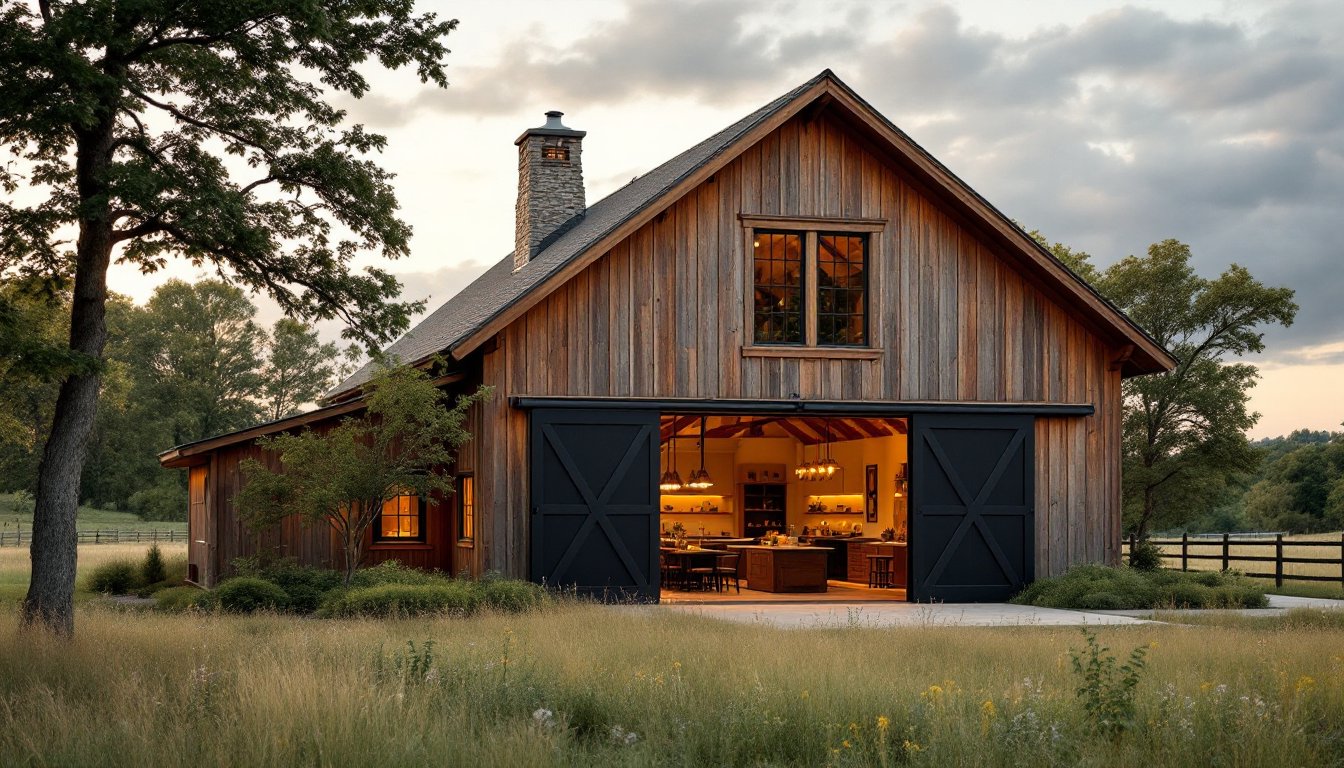
Smaller homes consume less energy, require fewer building materials, and generate a lighter environmental footprint over their lifespan. Reclaimed wood tiny homes showcase how owners can minimize environmental impact by using salvaged materials and locally sourced timber.
Tiny homes align naturally with sustainability goals: LED lighting throughout, high-efficiency appliances, and compact heating systems reduce energy consumption. Many owners pair their homes with solar panels or renewable energy systems, scaling renewables for 400 square feet makes genuine off-grid living feasible rather than aspirational.
Water usage drops too. Shorter showers, smaller lawns (or none), and efficient fixtures mean measurably lower consumption compared to traditional homes.
Smart Design Strategies For Tiny Spaces
Living well in a tiny home demands thoughtful design. The goal isn’t cramming everything in, it’s creating zones, maximizing vertical space, and eliminating clutter from the start.
Multi-functional furniture is non-negotiable. A sofa that converts to a bed, a dining table that doubles as a desk, or storage benches under stairs reclaim space without sacrifice. Look for real furniture built to last, not flimsy convertible pieces that fall apart after a year.
Vertical storage changes the game. Floor-to-ceiling shelving, wall-mounted desks, and loft sleeping areas can triple your usable storage without eating floor space. Tiny home ladders provide safe access to lofts and upper shelving while taking up minimal footprint.
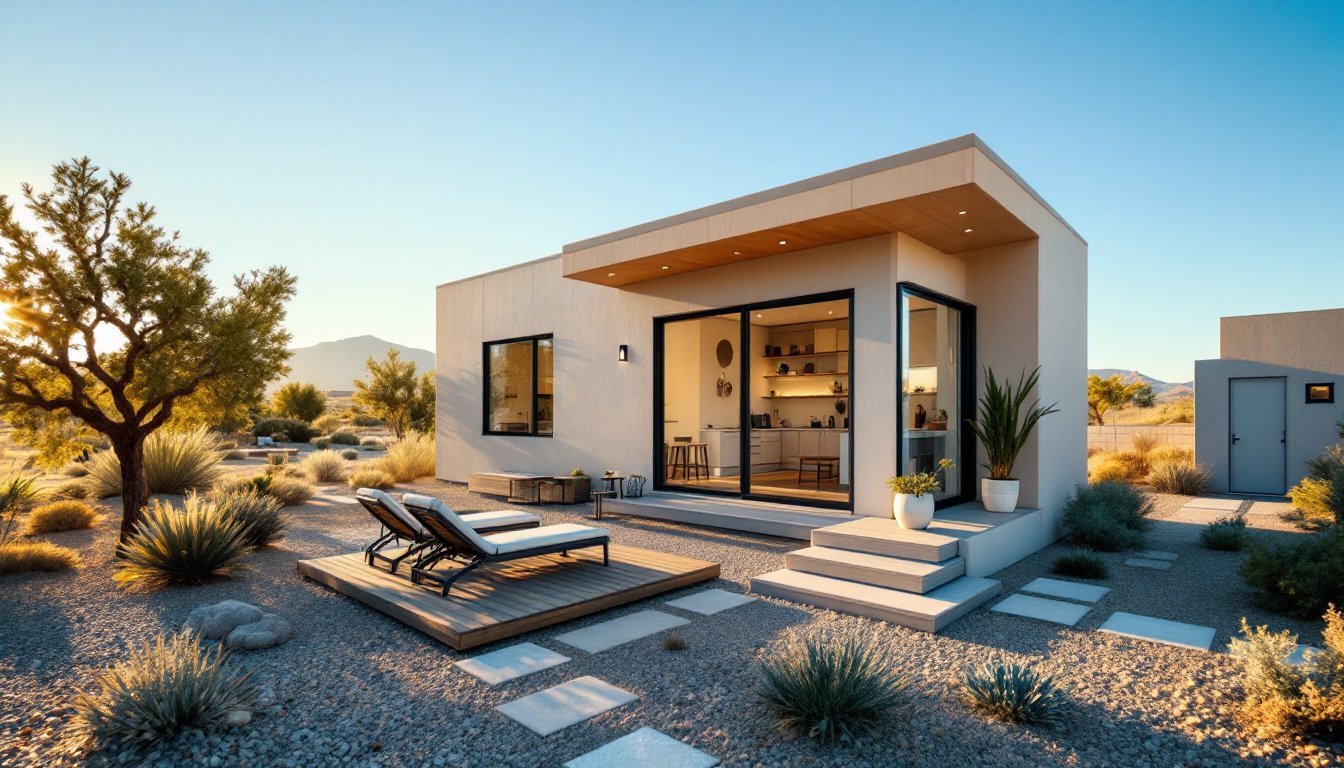
Natural light and open floor plans prevent tiny homes from feeling claustrophobic. One large open area (kitchen-dining-living combined) feels roomier than three separate, boxed-in rooms. Skylights and large windows pull in daylight and expand the perceived space.
Storage must be intentional from day one. Built-in closets, under-stairs drawers, and cabinetry designed for your specific possessions prevent chaos. Wasted space, dead zones that don’t serve a purpose, is the real enemy in tiny homes.
Color choices matter too. Light, neutral walls reflect light and feel more spacious. Accent walls or darker trim can define zones without shrinking the space. Tiny house design ideas showcase how professional designers balance color, light, and function in compact layouts.
Making the Transition to Tiny Home Living
Moving into a tiny home isn’t just a physical move, it’s a mindset shift. The transition works best when you prepare honestly for what’s coming.
Downsize before you move. Don’t transport everything and then cull. Go room by room at your current home and keep only what fits your new life. This isn’t about spartan minimalism: it’s about owning possessions you actually use and love. Most people who’ve transitioned report relief, not deprivation.
Understand zoning and legal restrictions in your area. Some municipalities embrace tiny homes: others restrict them through minimum square footage requirements or prohibit homes on wheels entirely. Tiny house parking regulations and local zoning laws vary dramatically by region, research before you commit. States like Oregon and Texas have updated codes to welcome tiny homes, but your city might not have caught up.
If you’re building, factor in utility connections carefully. Tiny house electrical setups require proper sizing, undersizing electrical service creates bottlenecks: oversizing wastes money. Work with a licensed electrician to ensure code compliance and adequate capacity for your appliances.
Consider accessibility early if it’s relevant to your household. Wheelchair accessible tiny homes prove that compact and accessible aren’t mutually exclusive, wider doorways, zero-step entries, and accessible kitchens fit into efficient designs when planned from the start.
Don’t underestimate the social side. Tiny home communities and suburban tiny homes developments are growing: joining an established community can ease the transition and provide real support. tiny homes archives for resources and case studies from people who’ve made the leap.
Finally, consider pets and family size honestly. Tiny homes work beautifully for singles, couples, and small families, but they require adjustment if you host large gatherings or have multiple pets. Pet-friendly tiny homes can succeed, but they need dedicated outdoor space and thoughtful layout. The best tiny home is one that matches your actual lifestyle, not the lifestyle you think you should want.
Conclusion
Tiny homes represent genuine housing innovation, they’re affordable, sustainable, and achievable for people who are ready to rethink their relationship with space. The transition requires honest assessment, careful planning, and willingness to live differently, but thousands of homeowners have found that smaller square footage and lower costs translate to bigger freedoms and less stress. Whether you’re attracted to financial independence, environmental responsibility, or simply the clarity that comes from owning less, tiny living offers a concrete path forward. Start by researching your local zoning, connecting with tiny home communities, and honestly evaluating what you actually need. The right tiny home is out there, it’s just smaller than you thought.