North Carolina’s tiny home movement has exploded in the last five years, transforming how residents approach homeownership and sustainable living. Whether you’re drawn to the financial freedom, environmental benefits, or minimalist lifestyle, tiny homes in North Carolina offer a practical alternative to traditional housing. But before you start packing, you need to understand the zoning rules, find the right location, and know how to finance and design your compact space. This guide walks you through everything a potential tiny homeowner in the Tar Heel State should know in 2026.
Table of Contents
ToggleKey Takeaways
- Tiny homes North Carolina range from 400 to 1,000 square feet and cost significantly less than traditional houses, making them an attractive option for financial freedom and sustainable living.
- North Carolina has no statewide tiny home zoning code; each county and municipality sets its own rules, so you must check local planning offices before purchasing land or a structure.
- Asheville and Buncombe County have become tiny home hotspots with clearer zoning allowances, while mountain communities offer lower prices and more land availability than coastal or Piedmont areas.
- Traditional lenders hesitate to finance tiny homes, but specialty lenders, construction loans, and owner financing now provide viable alternatives with rates typically 0.5–1.5% higher than conventional mortgages.
- Maximize tiny home living spaces through vertical storage, open floor plans, multifunctional furniture, and light colors, which create a sense of spaciousness in compact dwellings.
- Used tiny homes on Facebook Marketplace and Craigslist offer cost savings, but inspect structural and mechanical systems carefully before committing to a purchase.
The Tiny Home Movement in North Carolina
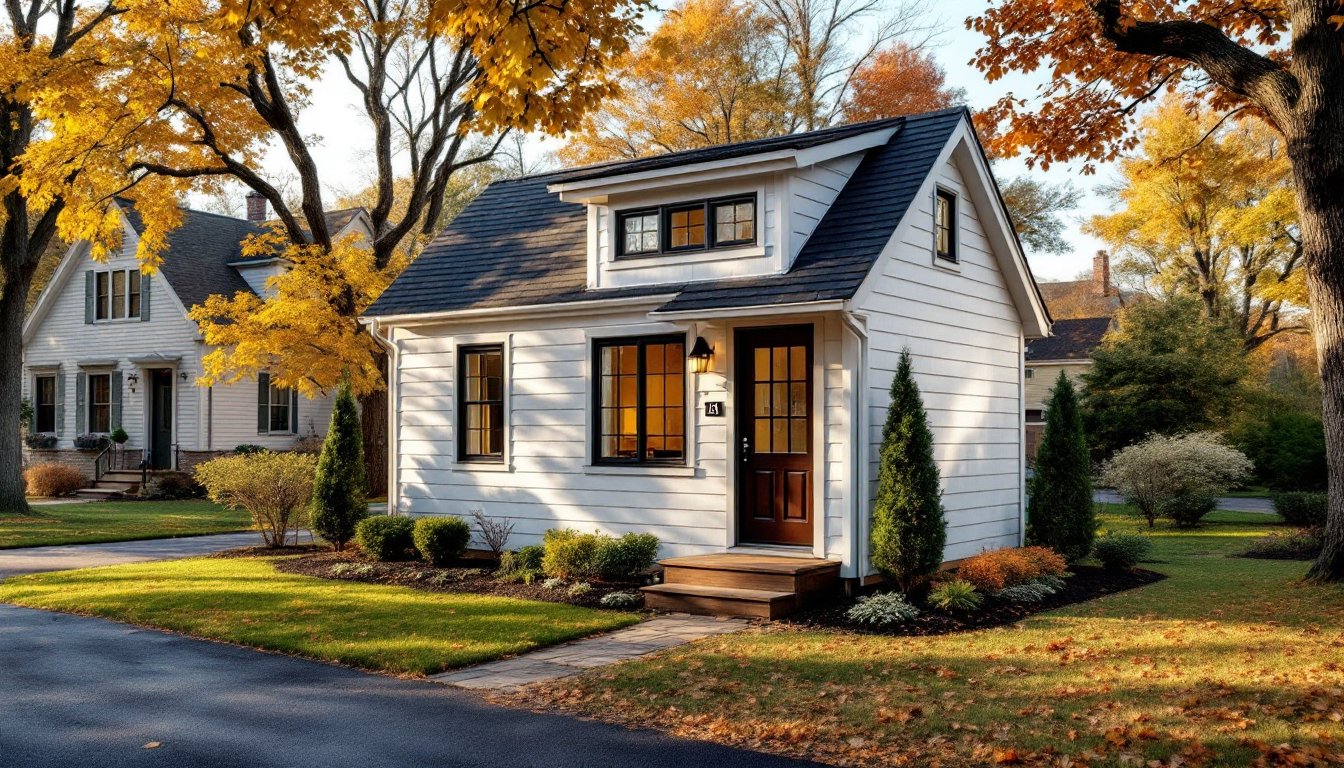
Tiny homes, typically ranging from 400 to 1,000 square feet, have gained serious traction in North Carolina. Builders, developers, and homeowners are embracing the movement for solid reasons: lower mortgage payments, reduced utility costs, and a lifestyle that prioritizes experiences over possessions.
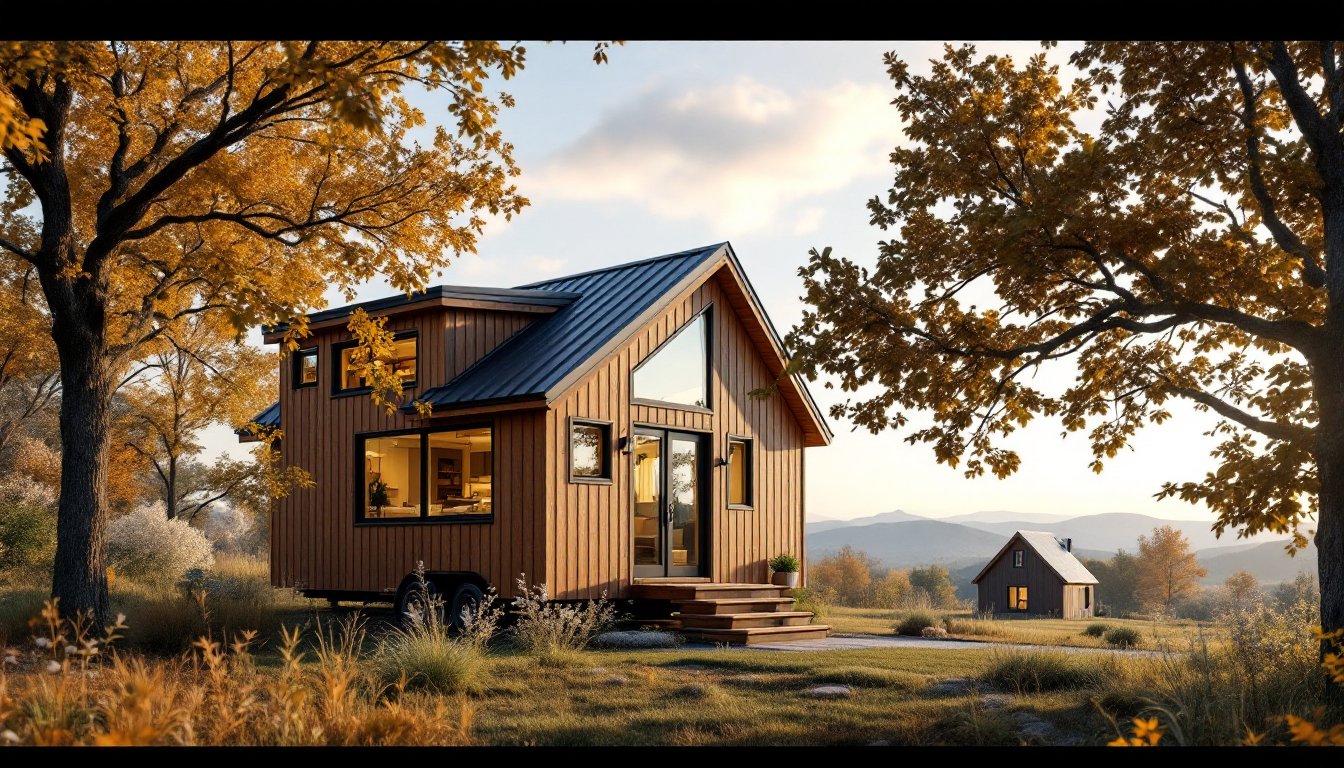
The state’s mix of rural land, growing urban cores, and a strong DIY culture makes it fertile ground for tiny home communities. From the Blue Ridge Mountains to the Piedmont, you’ll find everything from off-grid cabins to foundation-built structures. Many folks choose this path not as a trend but as a deliberate financial and environmental decision. The average tiny home costs significantly less than a traditional house, freeing up capital for other goals.
North Carolina’s real estate market has responded by creating dedicated tiny home subdivisions and allowing more flexible zoning in progressive municipalities. Cities like Asheville have become tiny home hotspots, while smaller towns are gradually opening doors to this housing type. What’s driving adoption? Millennial and Gen X homebuyers, retirees downsizing, and environmentally conscious families all see value in the model.
Zoning Laws and Building Codes for Tiny Homes
Here’s the hard truth: North Carolina doesn’t have a statewide tiny home definition or universal zoning code. Zoning authority falls to individual counties and municipalities, which means rules vary wildly. A tiny home that’s legal in Asheville might violate codes in a neighboring township.
Most traditional zoning ordinances set minimum lot sizes (often 1 acre or more) and minimum square footage for primary dwellings. Tiny homes challenge both assumptions, so you’ll need to check local codes before buying land or a structure. Some counties use the International Residential Code (IRC), which doesn’t explicitly prohibit tiny homes but requires compliance with standard building standards, insulation values, electrical service, septic or sewer capacity, and egress windows for bedrooms.
Key zoning issues include:
• Minimum dwelling size: Many jurisdictions have 1,000+ sq ft minimums: others have eliminated them.
• Lot size requirements: Rural land may need 1–2 acres per dwelling.
• Primary vs. accessory structures: Some allow tiny homes as guest houses or ADUs (accessory dwelling units) but not as primary residences.
• Foundation and permanent placement: Mobile tiny homes face stricter scrutiny than fixed foundations.
• Utility connections: Not all areas allow off-grid living: septic systems must meet Department of Environmental Quality (DEQ) standards.
Before purchasing land or a home, contact your county planning office. Most offer zoning maps and will clarify what’s allowed. Building permits are mandatory: skipping them costs more in fines and legal trouble than the permit itself. Some areas are loosening restrictions, Buncombe County (Asheville) and Orange County (Chapel Hill) have become more tiny-home friendly, but never assume.
Top Regions for Tiny Home Living in NC
Asheville and Mountain Communities
Asheville and its surrounding Buncombe County have become the de facto capital of tiny homes in North Carolina. The city’s progressive attitude toward alternative housing, thriving arts scene, and outdoor recreation draw thousands annually. Asheville’s planning office has clarified zoning allowances for tiny homes, making it easier to build or buy legally.
The cost of tiny homes in Asheville ranges from $150,000 to $300,000 depending on finishes and location, still a fraction of a traditional home. But prices are climbing as demand increases. Mountain communities like Black Mountain and Weaverville offer similar appeal with slightly lower prices and more land availability.
Why mountain communities work: cooler summers, strong community bonds, proximity to outdoor activity, and cultural acceptance of alternative lifestyles. The tradeoff? Winters are cold, and rural infrastructure (broadband, healthcare) may be limited.
Coastal and Piedmont Areas
Coastal towns like Wilmington and Beaufort are emerging tiny home markets. Beach living on a shoestring is attractive, though zoning is less accommodating than in Asheville. Coastal properties command premium prices, so a tiny home’s cost savings shrink unless you’re outside downtown.
Piedmont towns, Greensboro, Winston-Salem, Durham, Chapel Hill, and Charlotte, are slower to embrace tiny homes, but progressive neighborhoods are changing. Durham’s tech boom and Chapel Hill’s university culture are softening zoning rigidity. These urban areas offer job markets and urban amenities that mountain areas can’t match, though finding legal tiny home-friendly land in city limits is tougher.
Choose Piedmont if you need city services and employment: choose mountains if you prioritize land, quiet, and community. Coastal works if you don’t mind premium pricing and limited availability.
Finding and Financing a Tiny Home in North Carolina
Finding a tiny home in North Carolina requires a different approach than traditional house hunting. Most tiny homes don’t appear on mainstream MLS boards: instead, you’ll hunt through specialized builders, tiny home communities, and direct owner sales.
Where to look:
• Tiny home builders: Search “tiny home builders North Carolina” or check platforms like Airbnb Experiences (many builders list tours) and Facebook groups dedicated to NC tiny homes.
• Dedicated communities: Crest Village (Buncombe County) and similar developments advertise directly: these offer turnkey solutions and often simplify zoning compliance.
• Land + DIY: Buy raw land legally zoned for tiny homes and hire a builder or build yourself. This route gives maximum control but demands legwork.
• Used tiny homes: Facebook Marketplace, Craigslist, and niche sites list used tiny homes for sale: inspect structural and mechanical systems carefully.
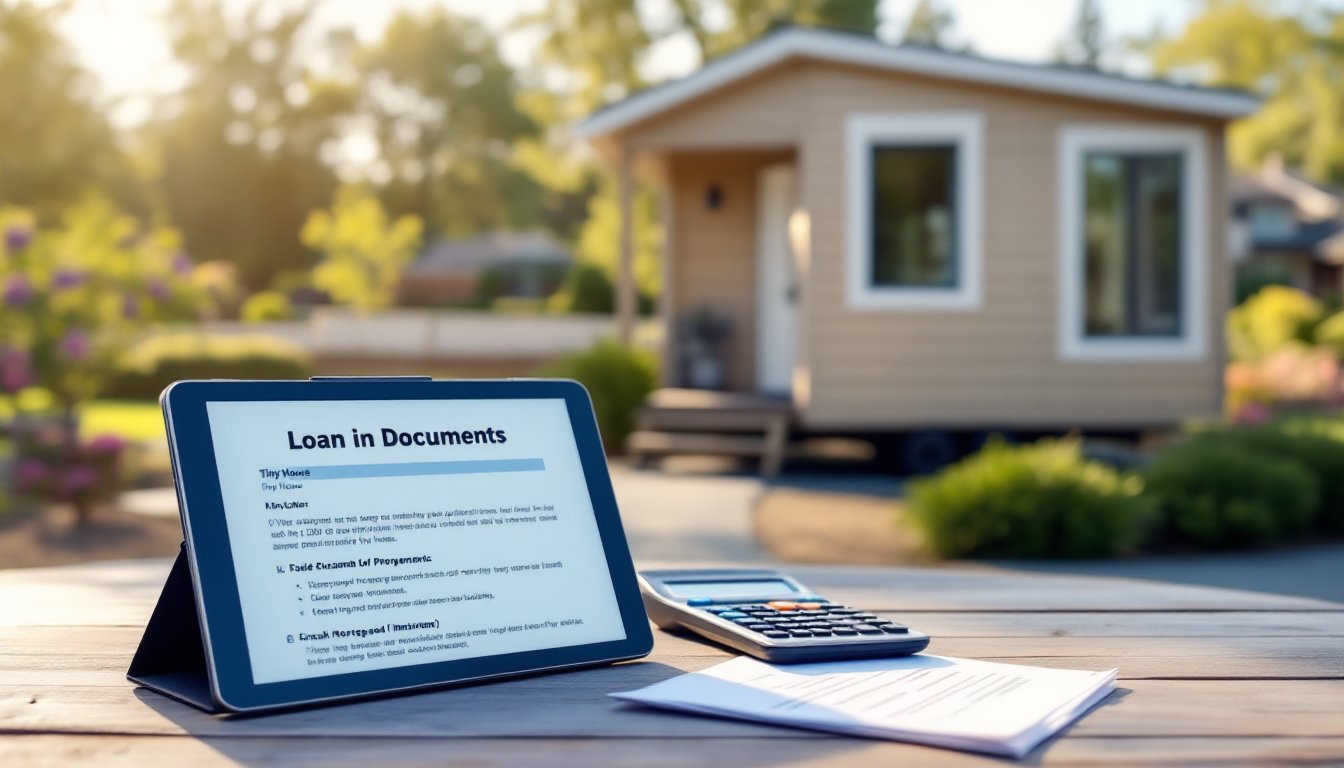
Financing is the other puzzle. Traditional lenders hesitate on tiny homes because resale value is uncertain and appraisals are tricky. Here’s what works:
• Personal loans or home equity lines: Fastest but expensive (high interest rates).
• Construction loans: If building from scratch, lenders like Local Stewardship Community Development Financial Institution (LSC CDFI) support sustainable housing in NC.
• Specialty tiny home lenders: Platforms like Tiny Home Finance and some credit unions now offer dedicated products.
• Owner financing: Direct from builders or land sellers, negotiate terms carefully.
Expect to pay 10–20% down and secure a rate 0.5–1.5% higher than conventional mortgages. Don’t let financing complications deter you: the monthly payment difference still beats traditional mortgages. Research tiny homes for sale with land to see turnkey options that simplify the purchase.
Interior Design Tips for Maximizing Tiny Home Spaces
Living in 400–800 square feet demands smart design. Wasted space is a luxury you can’t afford, but a well-planned interior makes the home feel generous and livable.
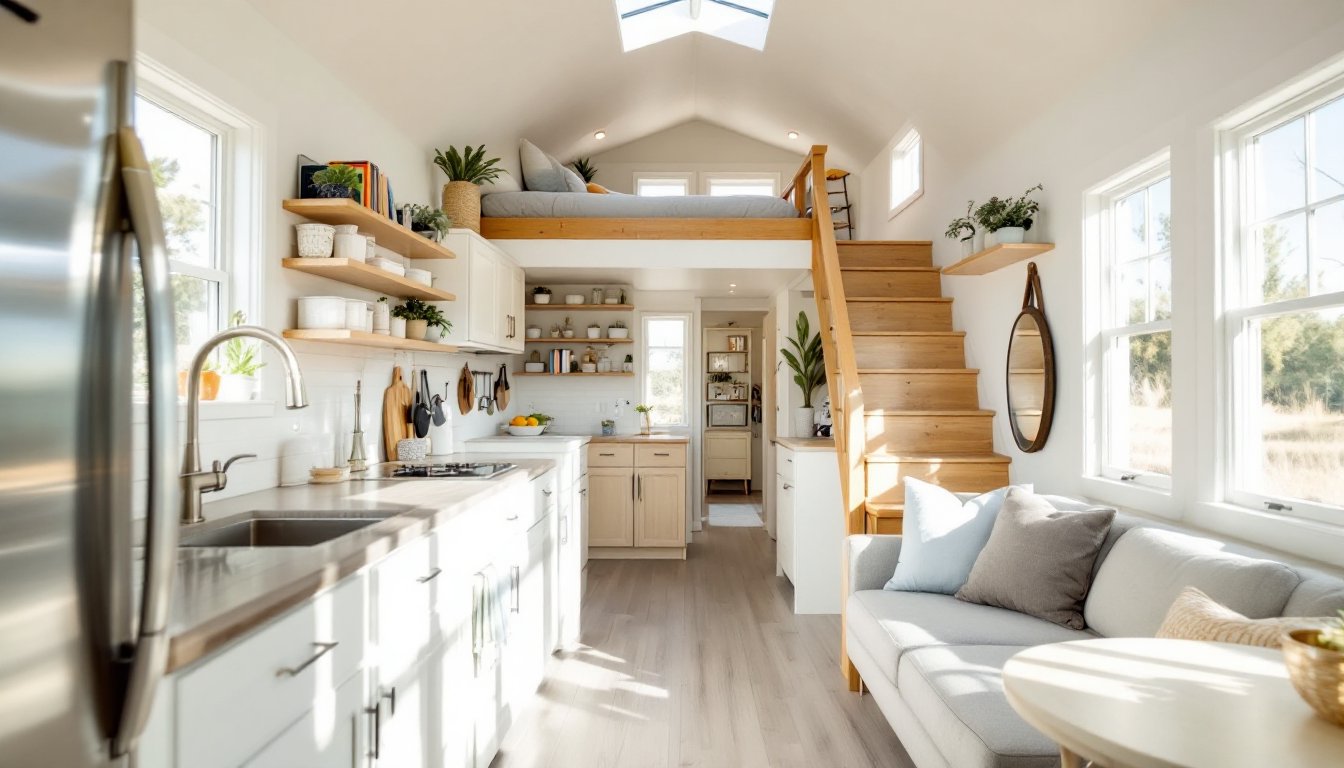
Vertical storage dominates. Install floor-to-ceiling shelving, use wall-mounted desks and fold-down tables, and hang pots, pans, and tools. Loft beds with storage underneath (drawers or shelving) recover floor square footage. Don’t just pile stuff: organize ruthlessly. Apartment Therapy has excellent small-space layouts if you need visual inspiration.
Open floor plans reduce visual clutter. Separate kitchen, living, and sleeping zones with low shelving or partial walls rather than full partitions. This maintains privacy while keeping sightlines open. Large windows and skylights amplify the sense of spaciousness, prioritize natural light in your design.
Multifunctional furniture is non-negotiable. A kitchen island with seating doubles as workspace and dining. Ottomans with hidden storage replace bulky coffee tables. Sofa beds work when guests visit. Choose furniture scaled to your space: oversized pieces shrink tiny homes instantly.
Color and material choices matter. Light, neutral tones (whites, soft grays, warm creams) expand visual space. A single accent wall adds personality without overwhelming. Matte finishes feel cozier than high-gloss: natural wood warms smaller spaces better than cold metals.
Zoning for function prevents chaos. Define your kitchen, sleeping, working, and relaxation zones clearly, even without walls. A area rug, change in flooring, or subtle lighting shift signals transition between zones. This psychological separation helps a tiny home feel intentional rather than cramped.
Design resources from HGTV and Southern Living offer plenty of room-by-room ideas. The key is starting with a floor plan that works, then filling it with intention. Measure twice, buy once.