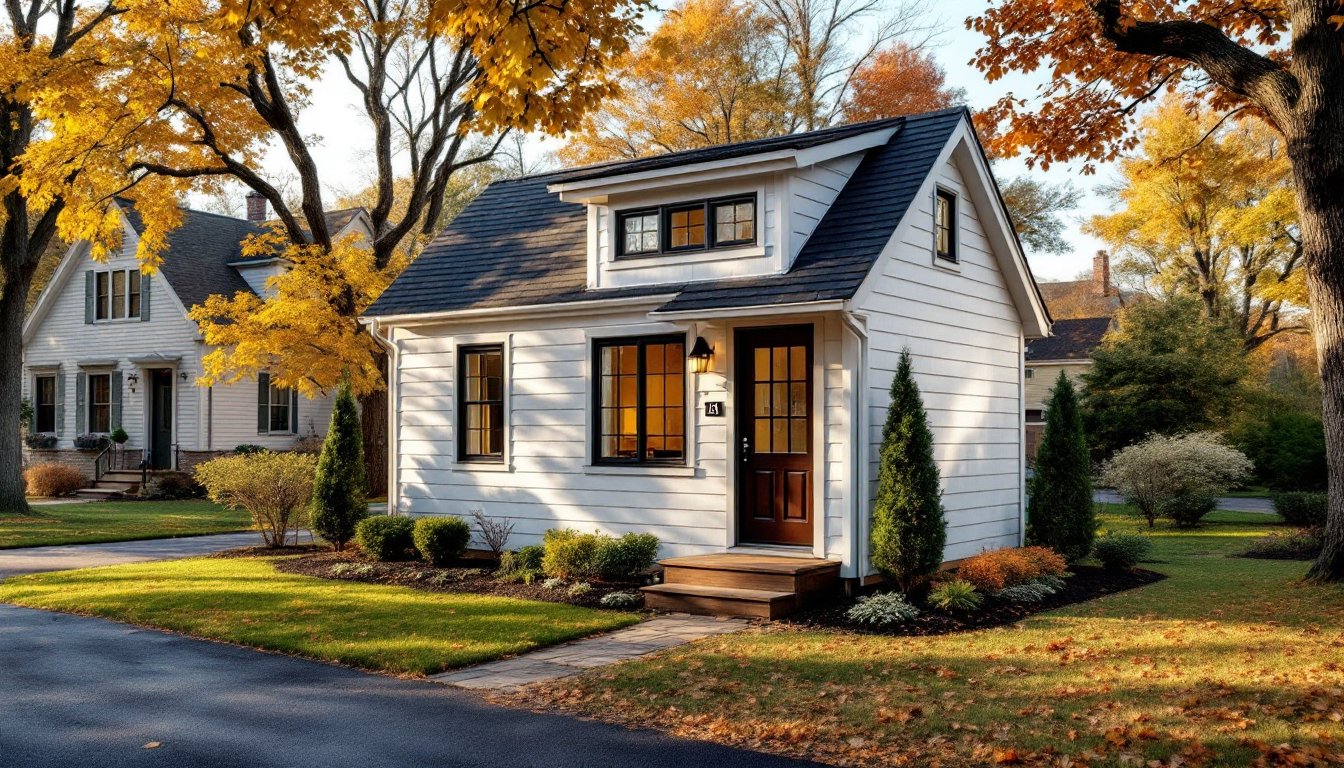

A-frame tiny houses are having a moment, and for good reason. Their steep roofs, open interiors, and clever use of vertical space make them ideal for homeowners seeking affordable, sustainable living without sacrificing style or function. Whether you’re dreaming of a backyard retreat, a guest house, or a primary residence, A-frame plans offer flexibility and charm that traditional rectangular structures struggle to match. This guide breaks down what makes these designs work, explores proven floor plans, and shows you how to approach building or renovating one on a realistic budget.
Table of Contents
ToggleKey Takeaways
- A-frame tiny house plans cost 15–25% less to build than conventional homes of the same square footage due to reduced material waste and efficient framing design.
- Vertical layout is essential—sleeping lofts, built-in shelving, and knee-wall storage can maximize a 200–700 square foot A-frame without requiring interior load-bearing walls.
- A-frame tiny houses require intentional design choices including gable-end windows for natural light, side-facing entries for intuitive flow, and proper ceiling height (7 feet main level, 5 feet secondary spaces) to avoid claustrophobia.
- Roof pitch (typically 45+ degrees in snowy climates) is critical for weather resistance; pair it with quality insulation ($1,500–$2,500), spray foam air-sealing, and soffit ventilation to prevent ice dams and heat loss.
- DIY builders can save thousands on interior finishes, lofted platforms, and rough-in framing, but must hire licensed professionals for electrical, plumbing, and structural work per local codes.
- Start any A-frame tiny house project with proper permits, soil testing, and climate-appropriate design—these foundations ensure decades of durable, comfortable living.
What Makes A-Frame Tiny Houses Unique
The A-frame design is instantly recognizable: two roof planes meeting at a peak that forms the letter A when viewed from the front. This iconic shape isn’t just pretty, it’s structurally efficient and practically purposeful.
The steep roof pitch (typically 45 degrees or steeper) sheds rain and snow quickly, reducing leak risk and maintenance headaches in wet or snowy climates. That same pitch means the interior has maximum height at the center and tapers at the edges, creating a cozy, enclosed feel while you’re inside.
Unlike conventional houses, A-frames distribute weight downward along two main rafter lines to the foundation, which means fewer interior load-bearing walls are needed. This opens up your interior floor plan, making a 200-square-foot space feel larger and more adaptable. You can rearrange furniture, add loft sleeping areas, or expand storage without worrying about studs in your way.
A-frames also age well. The simple geometry means fewer complex joints to fail, and the enclosed design protects the exterior wood frame from sun damage. A-frame tiny houses typically cost 15–25% less to build than conventional rectangular homes of the same square footage, thanks to reduced material waste and straightforward framing.
Essential Design Features and Layout Considerations
Successful A-frame tiny houses depend on intentional layout choices. Start by thinking vertically. Sleeping areas often move to a lofted second level, freeing up ground-floor square footage for living, kitchen, and dining. A typical 24-by-30-foot A-frame (about 700 square feet) might sleep four in a loft but feel spacious on the main level.
Windows matter enormously. Because the roof slopes sharply, traditional vertical windows work best near the center peak. Gable-end windows (triangular frames at the front and back) let in natural light without compromising the A-frame silhouette. Large windows along the long sides of the house, if your lot allows, provide morning and evening light while keeping the iconic profile intact.
The entrance and flow are critical. Most A-frames work best with the entry on the long side (not the narrow gable end), leading into the living area. From there, you can flow toward the kitchen, then a small hallway or stairs up to the sleeping loft. This layout keeps traffic patterns intuitive and avoids bottlenecks.
Door placement is also key. Standard interior doors (36-inch width) fit naturally into an A-frame layout. Exterior doors should be at least 36 inches wide for accessibility, and many builders go to 48 inches to avoid feeling cramped entering with luggage or furniture.
Maximizing Vertical Space and Storage Solutions
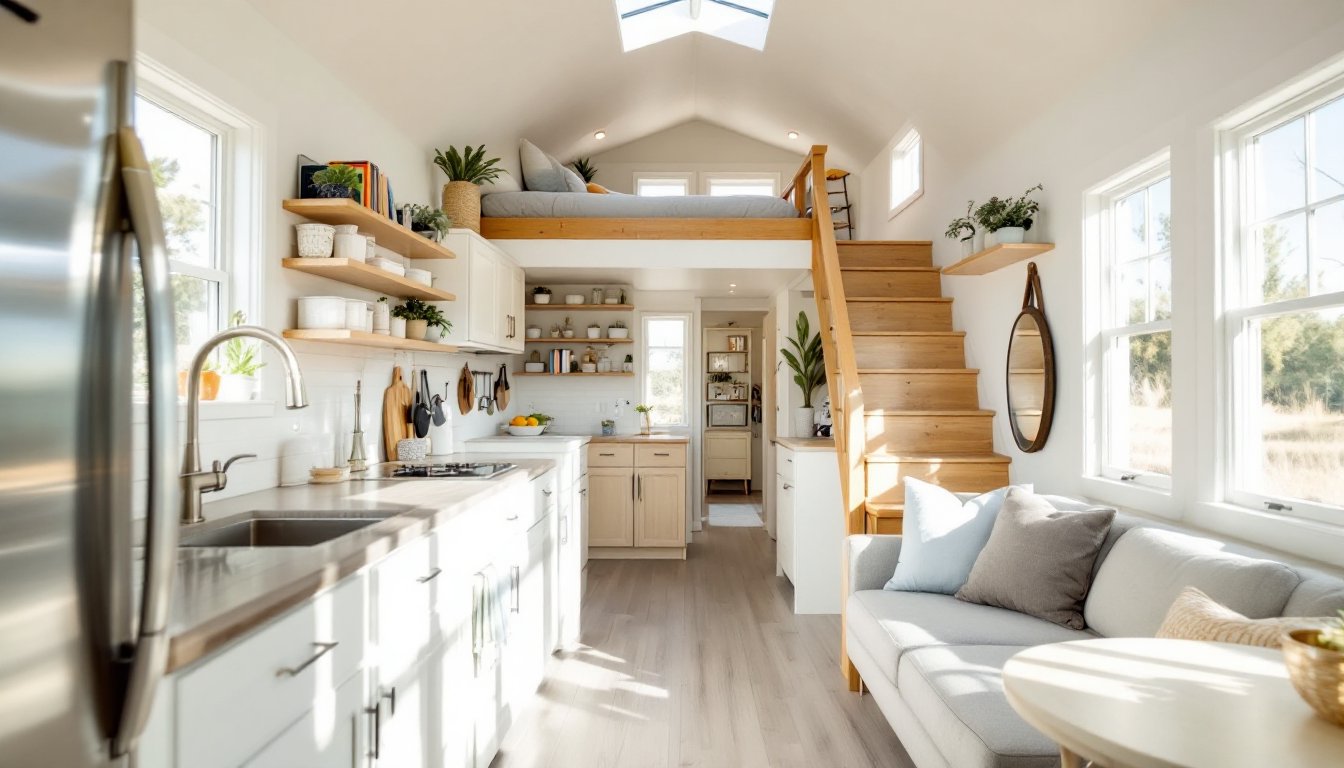
Vertical storage is your best friend in a tiny A-frame. Built-in shelving along the sloped roof line, above windows, and in corner nooks can add 50+ cubic feet of storage without eating into your floor area. Use open shelving near the living area for visual appeal, and closed cabinets in utility spaces.
The loft itself becomes storage-savvy with thoughtful design. Knee-wall areas (the low sections where the roof slopes down on either side of a sleeping loft) are perfect for low drawers or storage benches. A few homeowners even build a small storage closet under a stair case leading to the loft, capturing dead space.
You may want to explore Tiny House Insulation: Unlock strategies that also serve as storage, such as insulated wall cavities with access panels, or an air gap behind sheathing that doubles as dead space for small items. The key is planning storage during the design phase, not after framing is done.
Popular A-Frame Tiny House Floor Plans
Real A-frame plans vary widely, but a few layouts have proven their worth. The simplest approach is a single open room with a sleeping loft above, typically 16 by 20 feet (320 square feet) in footprint. This works well for couples or solo dwellers who want minimal zoning. The loft sleeps two comfortably, and the main floor holds a kitchen area, small living space, and bathroom.
The two-zone layout expands to around 400–500 square feet by adding a separate bedroom (not lofted) on one side, creating privacy. A living and kitchen area occupies the center, with the bedroom off to one end. This plan suits families with a young child or multi-generational households.
The extended depth A-frame stretches the footprint to 30 or 40 feet long, keeping the signature sloped roofline but gaining floor area. This version can accommodate a proper kitchen island, a small dining nook, a main-floor master suite, and a loft guest bed. It’s more expensive to build but still well below the cost of a traditional 800-square-foot house.
When browsing plans online, pay attention to ceiling height clearance in the loft. Codes typically require 7 feet of clearance in the main living area and 5 feet in secondary spaces. An A-frame with a 45-degree pitch and a 24-foot width gives you about 12 feet at the peak but only 4–5 feet at the knee walls. Measure twice: a low loft is claustrophobic after the first week.
Building Materials and Cost-Effective Construction Tips
A-frame tiny house construction relies on standard framing materials: 2×6 or 2×8 rafters, a single ridge board, and collar ties or ceiling joists to prevent rafter spread. If you’re buying materials, expect 45–55 linear feet of rafter stock per 100 square feet of floor area, depending on pitch and span.
For the roof itself, asphalt shingles (3-tab or architectural grade) are the budget standard at $2–4 per square foot installed. Metal roofing costs 2–3 times more upfront but lasts 50+ years and reflects heat better, a smart choice if energy bills concern you. For an average 30-by-24-foot A-frame, the roof covers roughly 900 square feet (accounting for overhangs), so material costs range from $1,800 to $3,600 depending on choice.
Walls are where you save. Many A-frames use 2×4 studs on 24-inch centers (rather than the traditional 16-inch) to reduce lumber. This requires proper structural engineering, especially in high-wind or high-snow areas, so don’t skip this step. Exterior sheathing can be plywood or oriented strand board (OSB), followed by house wrap and siding, typically wood, vinyl, or metal.
Insulation is critical in a tiny, sloped space. Many builders use spray foam (closed-cell, R-6 per inch) in the roof cavity and fiberglass batts in walls. Spray foam costs more but air-seals better, important because a leaky A-frame loses heat quickly through the large roof area. Budget $1,500–$2,500 for insulation in a 400-square-foot house.
For window and door framing, use exterior-grade products rated for your climate. These typically cost 30–50% more than standard interior-grade units but prevent rotting and air leaks.
Interior finishes vary by budget. Drywall is standard, but many DIY builders use 1×6 or 1×8 tongue-and-groove boards for ceilings and walls, which adds warmth and hides imperfections in a sloped space. A fresh coat of primer and two coats of interior paint run $300–600 for a typical A-frame.
DIY A-Frame Tiny House Projects for Homeowners
If you’re building a tiny A-frame yourself, start with a solid foundation plan. You can pour a concrete slab ($3–8 per square foot) or build a post-and-pier foundation ($2–5 per square foot) if you want future mobility or work on sloped terrain. Permits and soil testing are non-negotiable here, don’t skip them.
Framing is the biggest undertaking. Cutting and assembling rafters requires a power miter saw or table saw, a level, and a helper. Most DIYers take 2–4 weekends to frame a small A-frame roof and walls. Pre-cut rafter kits (available from some suppliers) can cut this time by half, though they cost 15–20% more.
You can handle insulation yourself if you’re comfortable in a roof cavity with a mask and gloves. OSHA guidelines recommend proper PPE: respirator rated N95 or P100 (fiberglass or spray foam particles), gloves, and long sleeves. Spray foam requires training, consider hiring a contractor for that step.
Electrical and plumbing typically require licensed professionals in most jurisdictions. A-frames aren’t special here: local building codes apply. But, you can rough-in framing for stud cavities and drill holes before the drywall goes up, saving labor costs.
Interior finish work, drywall, painting, flooring, is ideal for DIY. A DIY tiny house builder can save thousands on labor here. Laminate or engineered hardwood flooring is forgiving for beginners: ceramic tile requires grout work but holds up better long-term.
If you want to explore lofted sleeping areas or mezzanines, review IRC codes for guardrail height (42 inches) and load capacity (40 psf live load for residential floors). Free DIY woodworking plans often include loft platform designs you can adapt to your space.
One final tip: Climate matters. If you’re building in a snowy or rainy region, plan for a steeper pitch (50+ degrees) and include soffit ventilation to prevent ice dams. In dry climates, a 45-degree pitch suffices.
Conclusion
A-frame tiny houses deliver style, efficiency, and livability in a compact footprint. Whether you’re building from scratch or adapting an existing structure, the key is intentional design, vertical thinking, smart storage, and honest assessment of your climate and skills. Start with a solid plan, invest in insulation and air-sealing, and don’t skip permits or professional help for structural and utility work. Your A-frame will reward you with decades of cozy, affordable living.