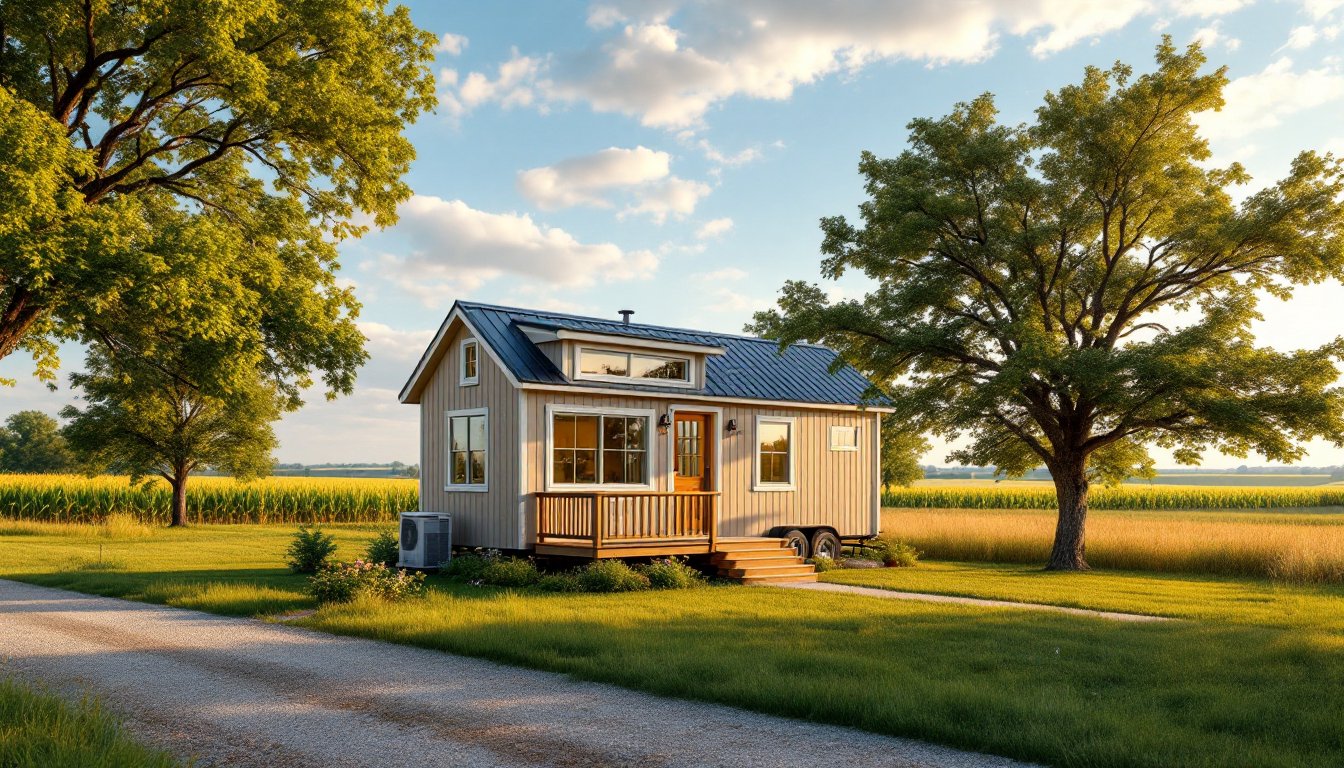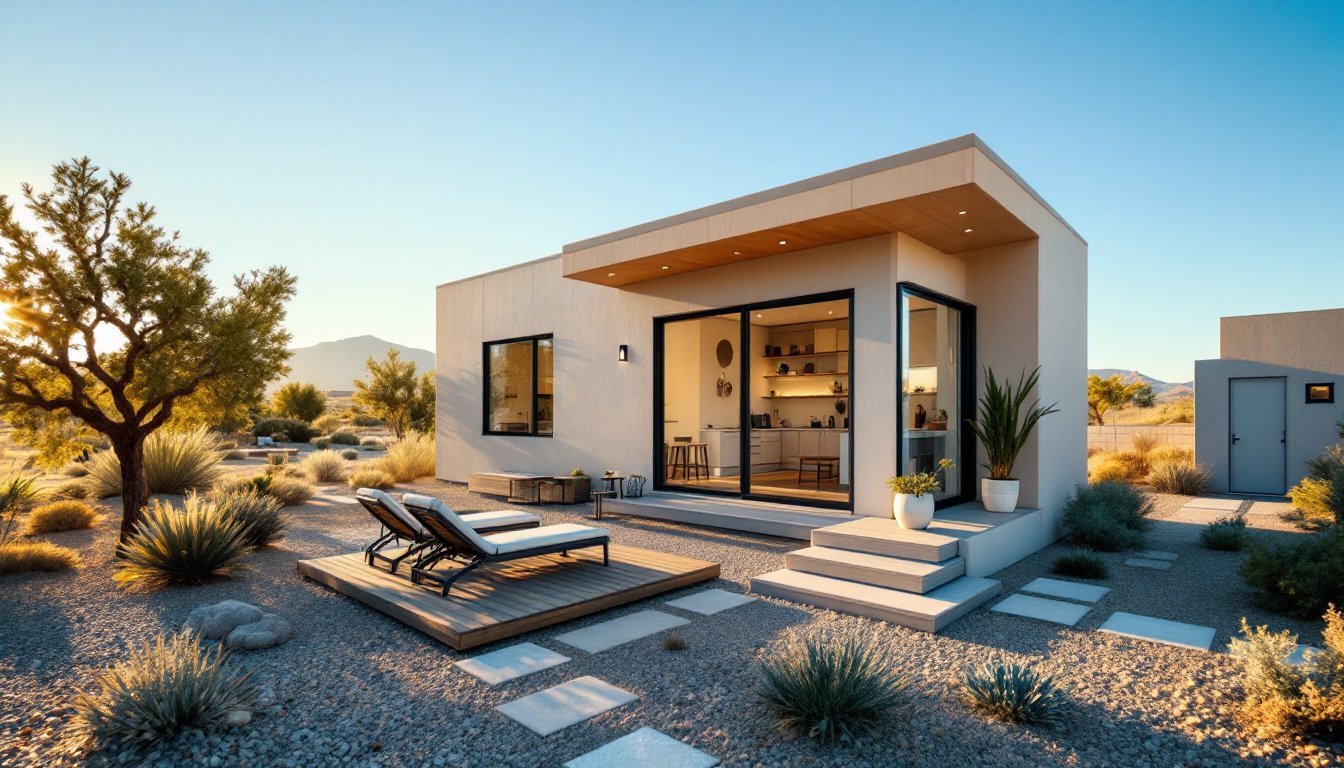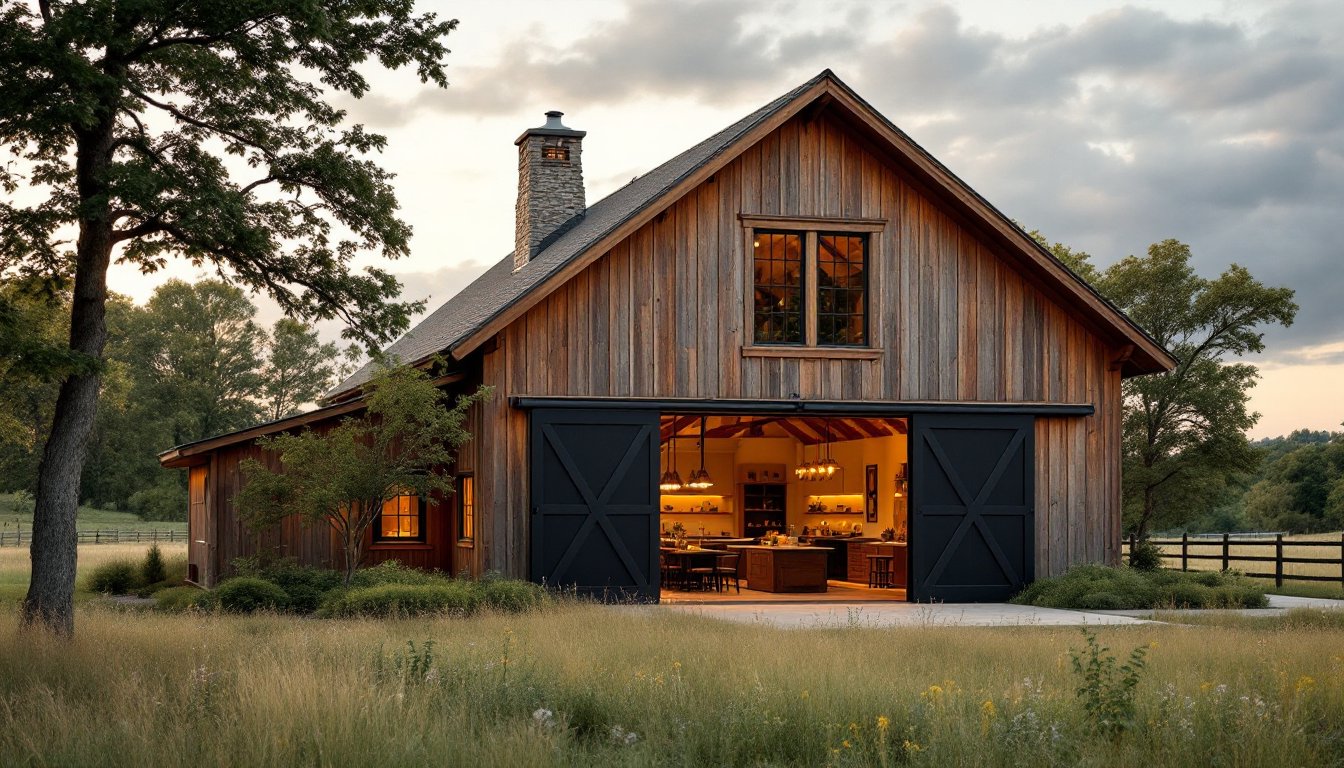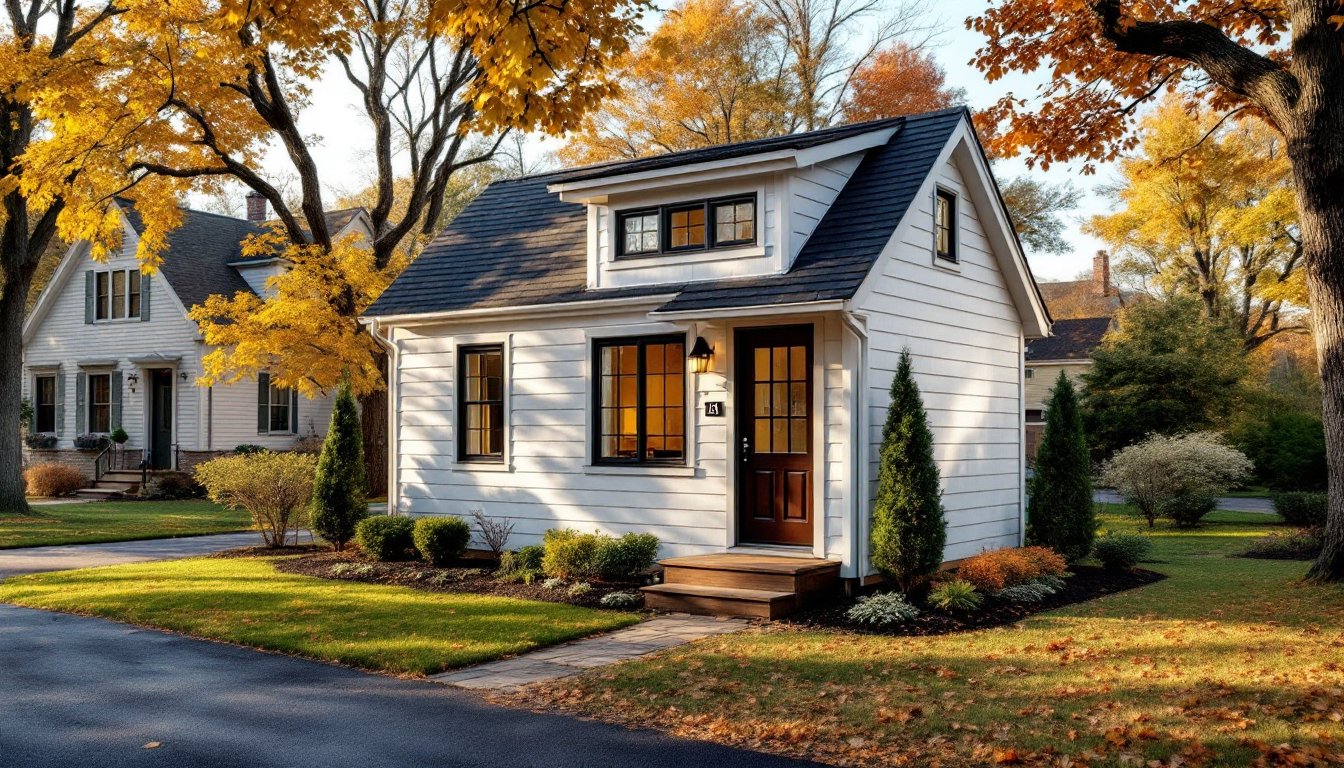
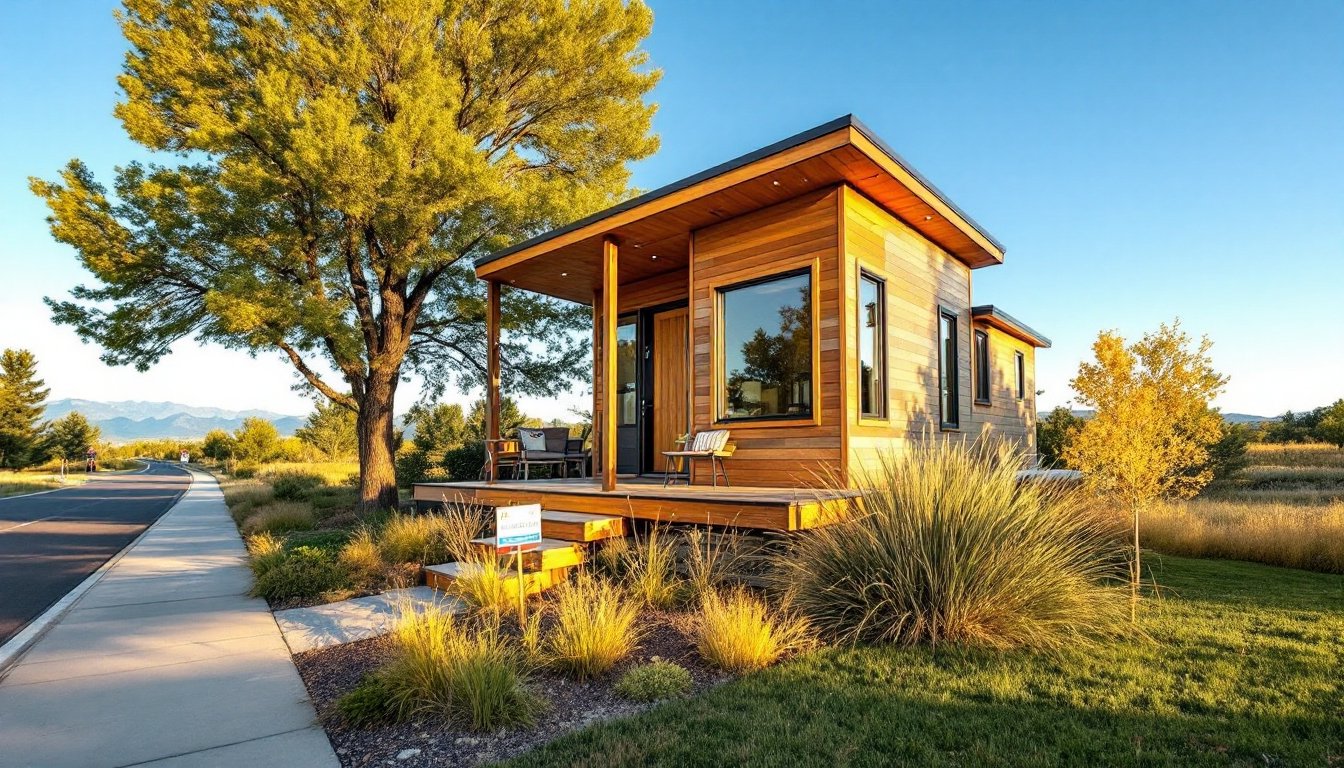
Fort Collins is quickly becoming one of Colorado’s hottest markets for tiny homes, blending affordability with the outdoor lifestyle that draws people to the region. Whether you’re a first-time buyer looking to break into the market, a minimalist seeking a lower cost of living, or an investor eyeing a growing niche, tiny homes in Fort Collins offer real value. The city’s vibrant downtown, proximity to hiking and outdoor recreation, and tech-forward community make it an ideal setting for compact living. This guide walks you through the current landscape, what to expect, and how to find your next home in this thriving northern Colorado city.
Table of Contents
ToggleKey Takeaways
- Tiny homes for sale in Fort Collins typically range from $200,000 to $400,000, offering affordable entry into Colorado’s housing market while supporting an outdoor-focused lifestyle.
- Fort Collins’ progressive zoning policies, including relaxed accessory dwelling unit (ADU) requirements, create more opportunities for tiny home development compared to other Colorado cities.
- Northeast Fort Collins and the Southeast Growth Corridor are the most active areas for tiny home construction, offering walkable neighborhoods with reasonable land costs and proximity to schools and outdoor recreation.
- Financing tiny homes in Fort Collins requires flexibility, as traditional lenders are increasingly comfortable with these properties, though portfolio loans from credit unions and cash purchases often provide better terms than conventional mortgages.
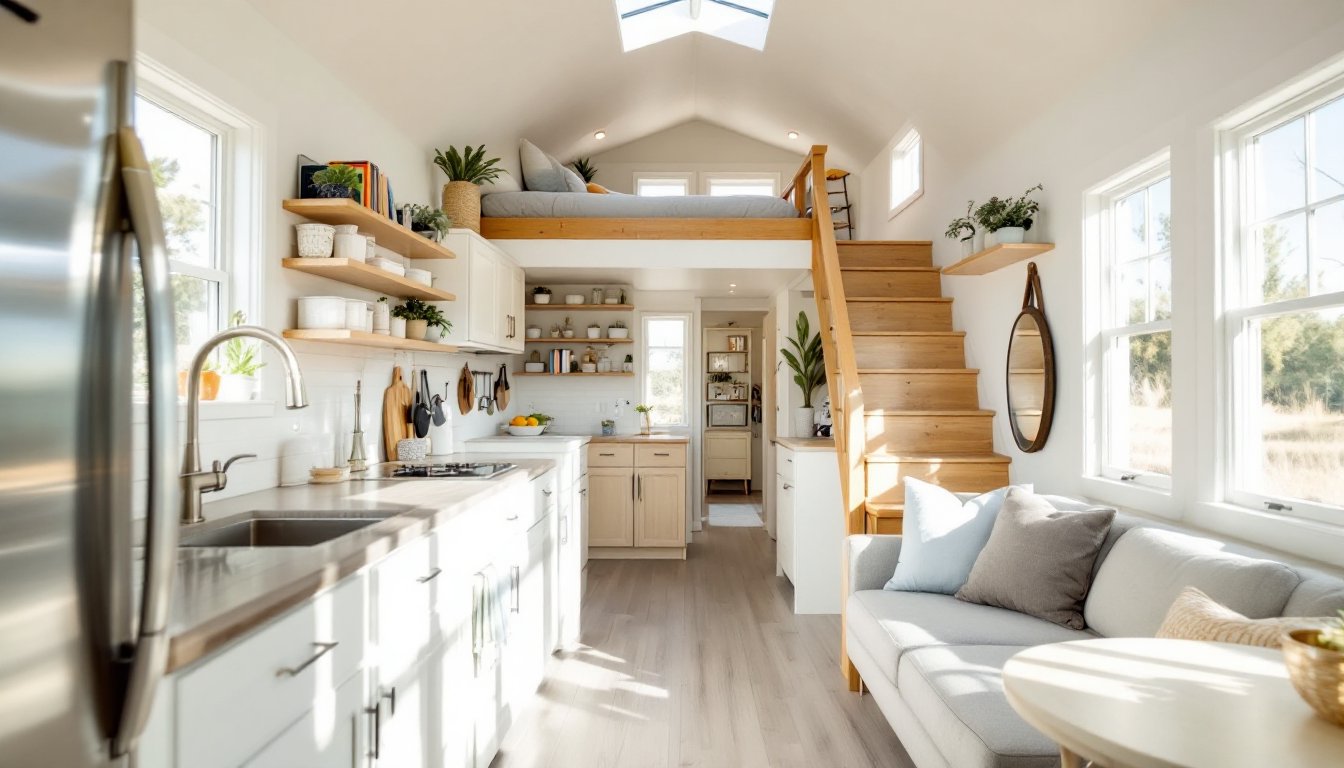
- Space-maximizing design features like open-concept layouts, lofted bedrooms, and built-in storage are standard in Fort Collins tiny homes, making compact living functional and comfortable for residents.
What Makes Fort Collins an Ideal Market for Tiny Homes
Fort Collins has the right ingredients for tiny home growth. The city sits at the intersection of college-town energy (home to Colorado State University), a strong job market in tech and healthcare, and outdoor recreation that rivals any destination in the state. These factors attract younger professionals, remote workers, and retirees who prioritize lifestyle over square footage.
The local zoning landscape is also favorable. Fort Collins has been progressive in allowing accessory dwelling units (ADUs) and has relaxed some minimum lot size requirements in recent years, creating more opportunities for tiny home development. City planners recognize that housing affordability is a challenge, and tiny homes are part of the solution. Unlike some Colorado cities that remain restrictive, Fort Collins has signaled openness to diverse housing types.
Another draw: the outdoor culture. Hiking trails, biking paths, and parks mean residents spend less time in their homes and more time outside. Tiny homes align perfectly with this lifestyle. You’re paying for location and access, not wasted interior square footage.
Current Market Trends and Availability
As of 2026, tiny homes in Fort Collins are moving briskly. Price ranges typically fall between $200,000 and $400,000 for a finished unit, though custom builds or premium locations can exceed this. The market saw steady growth through 2024 and 2025, with developers recognizing demand from buyers priced out of traditional single-family homes.
Inventory remains tight, that’s both a challenge and an opportunity. Fewer tiny homes on the market mean less selection, but it also means demand outpaces supply, which can work in a seller’s favor. New developments are launching regularly, often in the North Fort Collins and Southeast Growth areas where land costs are lower and zoning is more permissive.
One shift to watch: financing. Traditional mortgage lenders have become more comfortable with tiny homes, though loans under $50,000 or for properties under 400 square feet can still be tricky. Some buyers are using personal loans, construction financing, or paying cash. The rental market for tiny homes is also expanding, with investors seeing steady tenant demand in Fort Collins.
Key Neighborhoods and Locations to Explore
Northeast Fort Collins (around Harmony and I-25) is seeing the most active tiny home development right now. It’s newer, walkable, and close to shopping and schools. Land costs are reasonable, which translates to better pricing for buyers.
Southeast Growth Corridor offers similar advantages, with proximity to Colorado State’s campus and downtown via bike paths. This area appeals to younger professionals and students looking to stay post-graduation.
Old Town and the Downtown Core host fewer tiny homes due to higher land values, but a handful of infill projects have brought compact units to this walkable neighborhood. If you prioritize being in the cultural heart of the city, expect to pay more.
Loveland (15 miles south) is worth considering as a satellite option. It’s slightly more affordable, still has excellent schools and outdoor access, and sits on the growing Fort Collins metro area. Some find it worth the short commute for lower prices.
Factors to weigh: commute times if you work downtown, access to trails, school proximity if relevant, and walkability. Fort Collins is a biking city, neighborhoods with good bike infrastructure feel less isolating even though smaller homes.
Design Features and Layout Innovations in Local Tiny Homes
Fort Collins tiny homes range from 300 to 600 square feet, and builders have gotten clever about maximizing space. Look for these common features:
Open-concept layouts are standard. The kitchen, dining, and living areas flow together to create a sense of spaciousness. Walls are kept minimal and materials (flooring, color) transition smoothly.
Lofted bedrooms are common in units below 400 square feet. This saves ground-floor space for living areas. If you’re tall or claustrophobic, confirm ceiling heights, they vary widely.
Efficient storage is built in. Closets are deeper, pantries are smarter, and under-stair drawers and wall niches are standard. Inspect how well these are executed, poor storage design kills the tiny home experience.
Outdoor spaces matter more. Most Fort Collins tiny homes include a patio, deck, or shared yard space. This extends your living area and ties into the outdoor lifestyle. Some communities offer shared gardens or green spaces.
Sustainable features are increasingly common. Solar-ready roofs, high-efficiency HVAC, and tankless water heaters lower operating costs. Inquire about insulation R-values and window ratings, Colorado winters and summers demand proper climate control. Some builders use reclaimed wood tiny home approaches, incorporating eco-friendly materials that reduce environmental footprint while adding character.
Financing and Affordability Considerations
Financing a tiny home in Fort Collins requires assignments. Most conventional lenders will finance homes over $50,000, but rates and terms vary. FHA loans can work, though appraisals can be tricky, some appraisers undervalue tiny homes because comparable sales are limited.
Portfolio loans from local credit unions and smaller lenders often have more flexibility. Fort Collins Credit Union and others have successfully financed tiny homes with owner-occupancy.
Construction financing is an option if you’re buying land and building. This typically requires 20-25% down, a detailed plan, and a builder’s license or contract with a licensed builder.
Cash buyers have an advantage in this market. If you can pay outright, you sidestep appraisal and lender concerns entirely. Some investors use this strategy.
Total cost of ownership differs from traditional homes. Property taxes are lower (smaller assessed value), utilities are minimal, and maintenance is straightforward. But, HOA fees in some tiny home communities can run $150-300 monthly, so factor that in. Homeowners insurance is slightly cheaper, but mobile home insurance (if applicable) may apply to some units.
Similar markets like tiny homes for sale in Colorado Springs and tiny homes for sale with land show comparable financing challenges and solutions, research how other Colorado buyers have tackled this.
Next Steps: Finding Your Perfect Tiny Home
Start online. MLS searches, Zillow, and Redfin allow filtering by square footage and price. Follow Fort Collins real estate pages and developer websites. Tiny home-specific groups on Facebook often list new projects before they hit major sites.
Work with a realtor. Find an agent familiar with tiny homes and the local market. They understand zoning quirks, financing challenges, and neighborhood nuances that matter for compact living.
Visit in person. A 400-square-foot home feels very different in person than in photos. Walk through multiple units, including occupied ones if possible, to understand workflow and storage. Bring a tape measure, verify dimensions.
Inspect thoroughly. Tiny homes may have creative solutions for small problems (plumbing, electrical) that deserve scrutiny. A home inspector familiar with compact units is worth every penny.
Ask about HOA rules. If the community has shared spaces or restrictions, understand them fully. Tiny home communities sometimes have rules about exterior modifications or parking.
Consider future resale. While tiny homes are appreciating, their buyer pool is still smaller than traditional homes. Ask yourself: if I need to sell, who will buy? Homes in walkable neighborhoods or with strong design features move faster. Resources like home improvement guides can help you understand renovation and upgrade options if you customize later.
Conclusion
Tiny homes in Fort Collins represent a smart convergence of lifestyle, affordability, and location. The market is active, financing is becoming more accessible, and the city’s culture supports compact living. Success comes from realistic expectations: you’re buying a lifestyle and location, not just a structure. Do your assignments on neighborhoods, financing, and design features before committing. Fort Collins’ tiny home market will continue to grow as more buyers discover the freedom and financial relief that comes with living smaller.