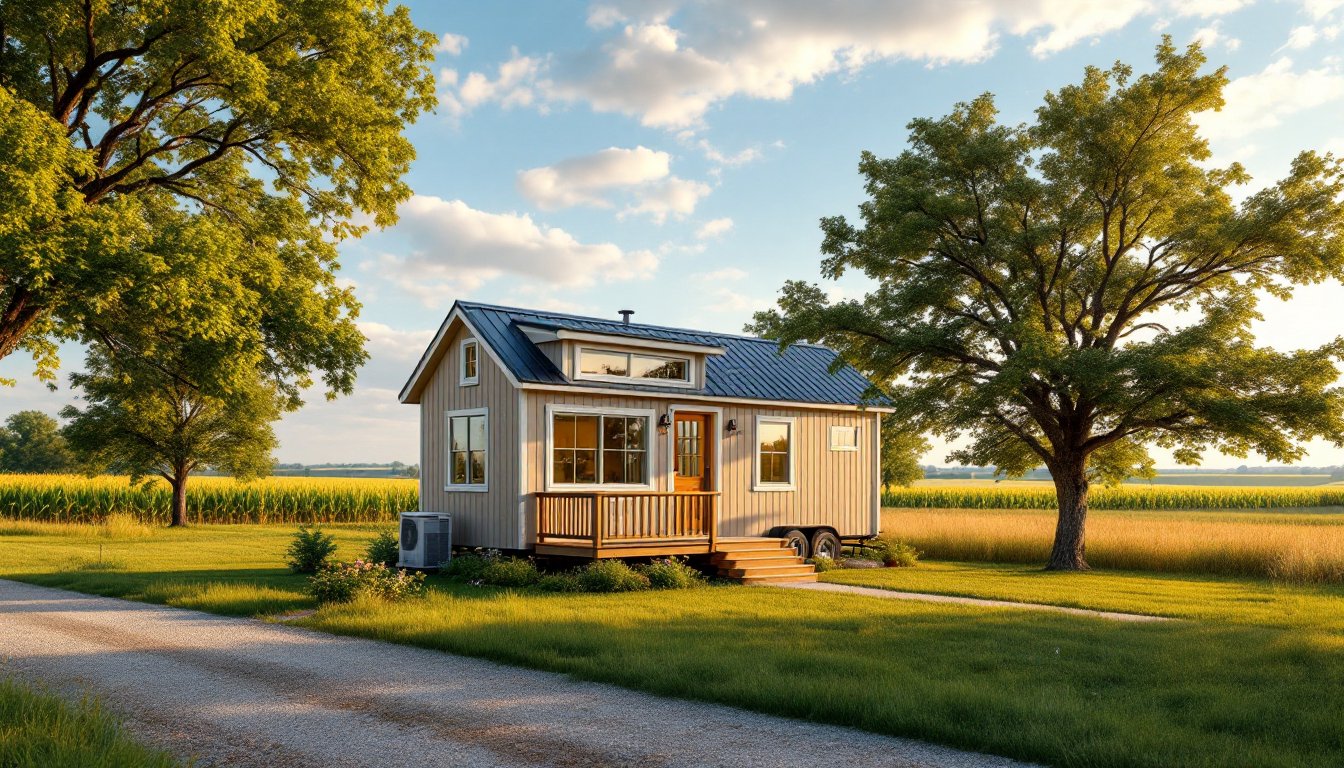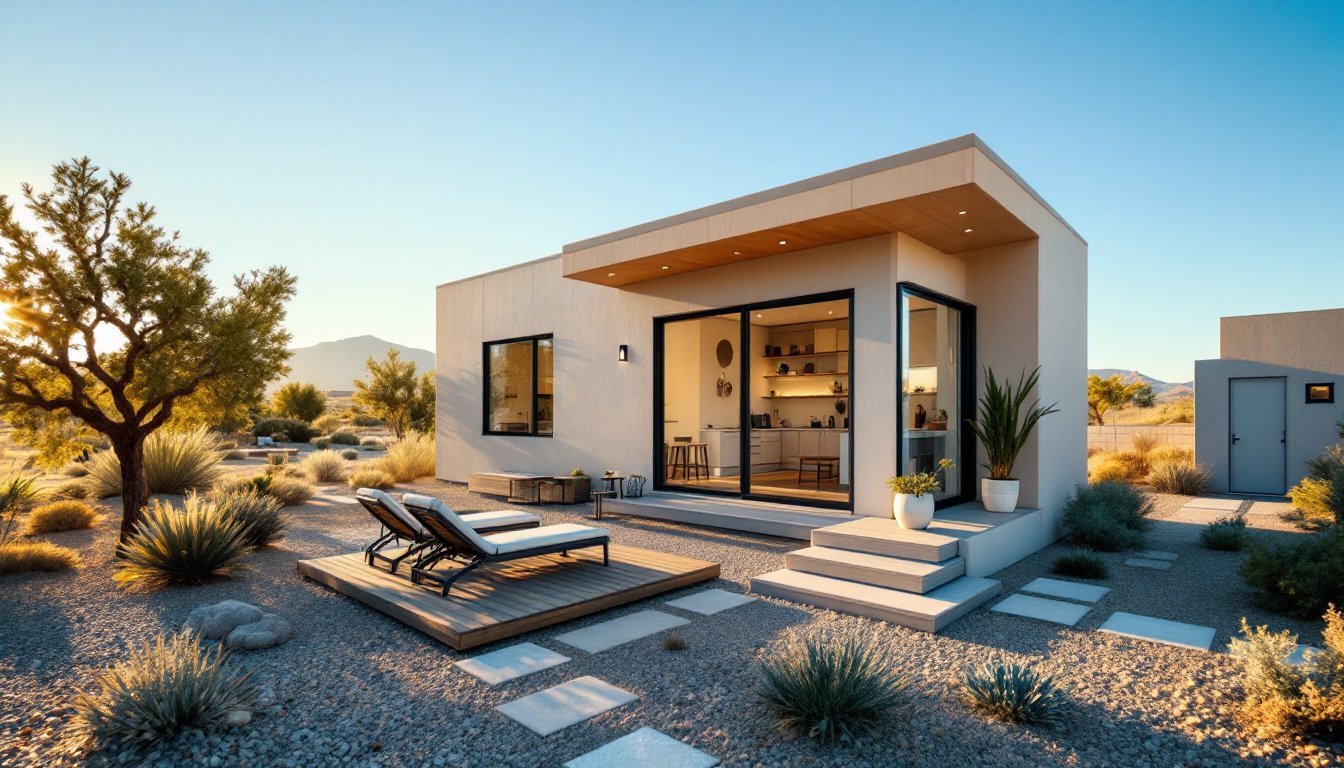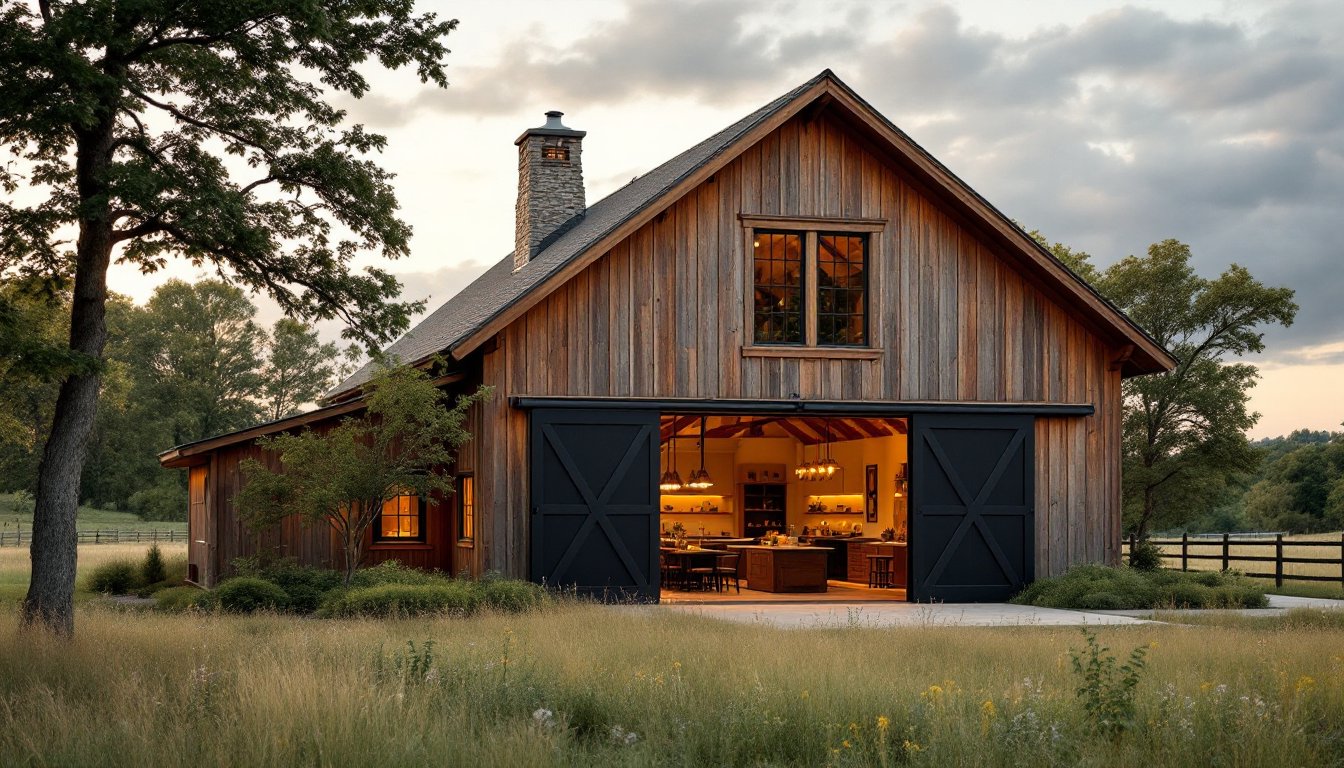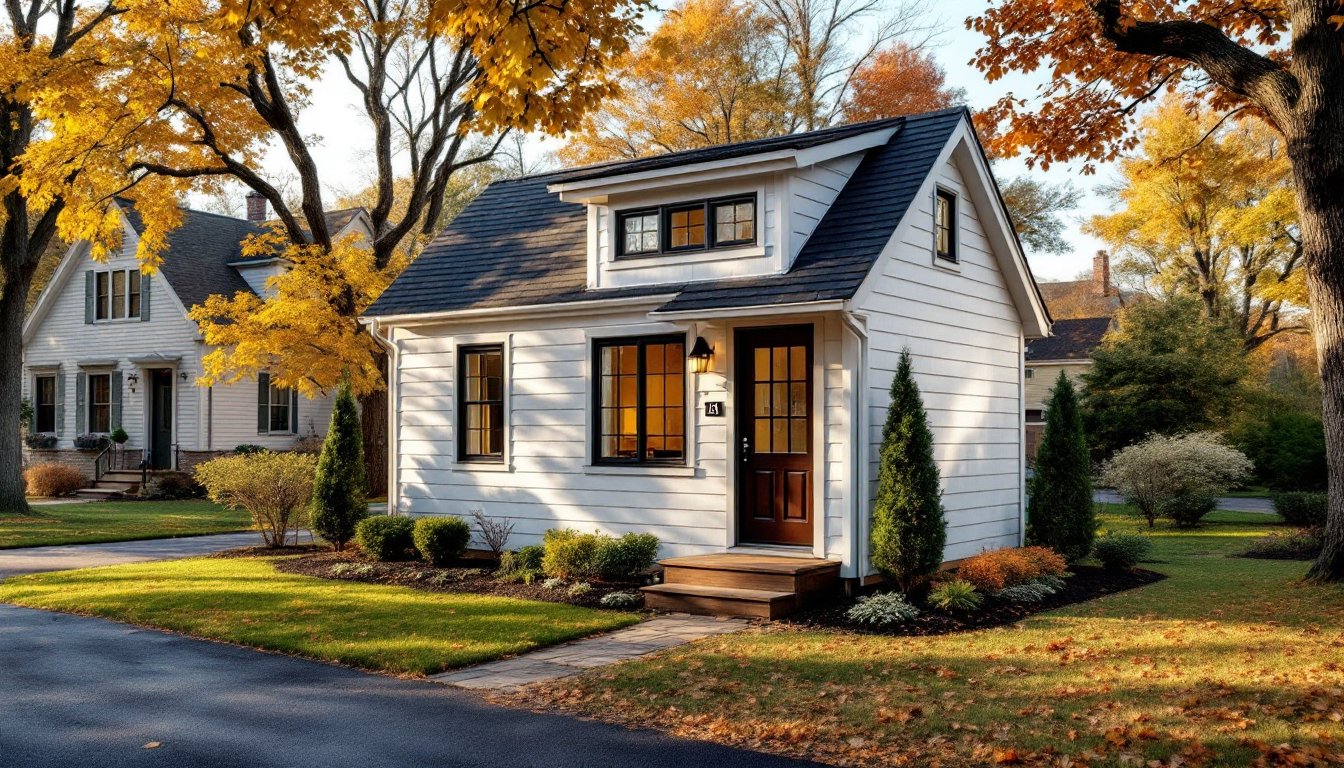
Tiny houses aren’t just a trend, they’re a practical solution for people who want less clutter, lower costs, and a simpler lifestyle. But living comfortably in 400–800 square feet requires thoughtful floor plan design. The right layout can make a tiny house feel spacious and livable, while a poorly planned one feels cramped no matter how good the finishes look. Whether you’re building from scratch, buying a tiny home, or just curious about how designers pack full functionality into minimal space, understanding floor plan principles separates workable tiny houses from ones that feel like a closet.
Table of Contents
ToggleKey Takeaways
- Every square foot in tiny houses must serve a functional purpose, making thoughtful floor plan design critical to avoid wasted space and ensure livability.
- Open-concept layouts with strategic furniture placement and partial walls help tiny house floor plans visually expand while maintaining defined zones for cooking, dining, and living.
- Multi-functional spaces like lofted sleeping areas, murphy beds, and built-in storage are essential to maximize square footage and make tiny living practical and comfortable.
- Vertical stacking, narrow hallways, corner utilization, and strategic window placement are key design principles that create the illusion of spaciousness in compact homes.
- Building codes and local regulations—including bedroom egress, hallway widths, and clearance requirements—must be verified before finalizing a tiny house floor plan to ensure compliance and safety.
Why Floor Plan Design Matters in Tiny Houses
In conventional homes, you can waste space and not notice it, a hallway that goes nowhere, a bedroom that’s only used for storage, a kitchen island nobody uses. Tiny houses don’t forgive waste. Every square foot has to earn its keep.
A thoughtful floor plan means your living room, kitchen, and bedroom don’t fight for territory. It means you can move through the space without obstacles and have enough counter space to actually cook a meal. It also affects resale value and whether future owners will use the space the same way you do.
Floor plan design also determines infrastructure efficiency. Water lines, electrical runs, and HVAC distribution are cheaper and cleaner when the main functional zones are stacked vertically or clustered together. Poor planning can mean exposed pipes along walls or complicated runs that eat into wall space and drive up costs. Also, Tiny House Parking: Your covers site considerations that influence how your floor plan orients to natural light and wind, factors that shape daily comfort and utility bills.
Popular Tiny House Floor Plan Styles
Open-Concept Layouts
Open-concept is the default for tiny houses. No walls between the kitchen, dining, and living areas means the space visually expands and light flows freely. But, open-concept isn’t a free pass to ignore zoning.
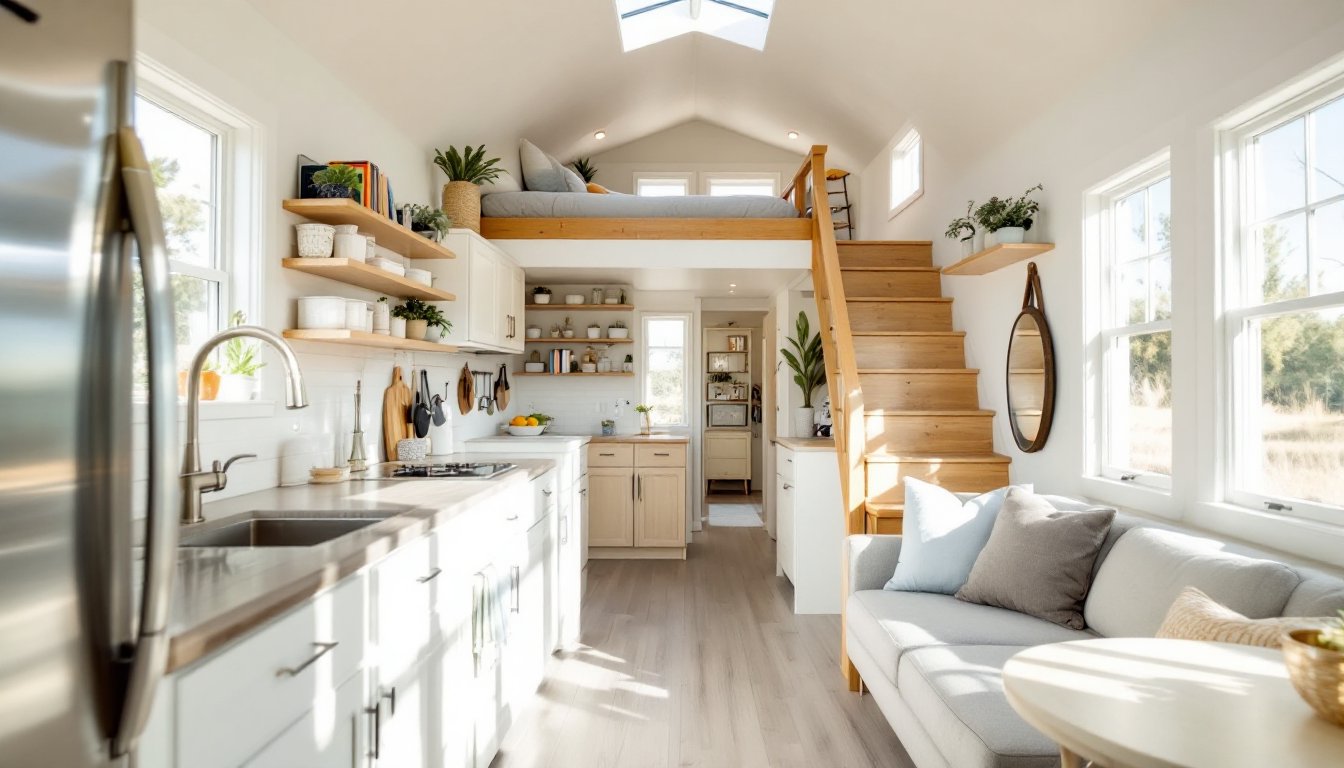
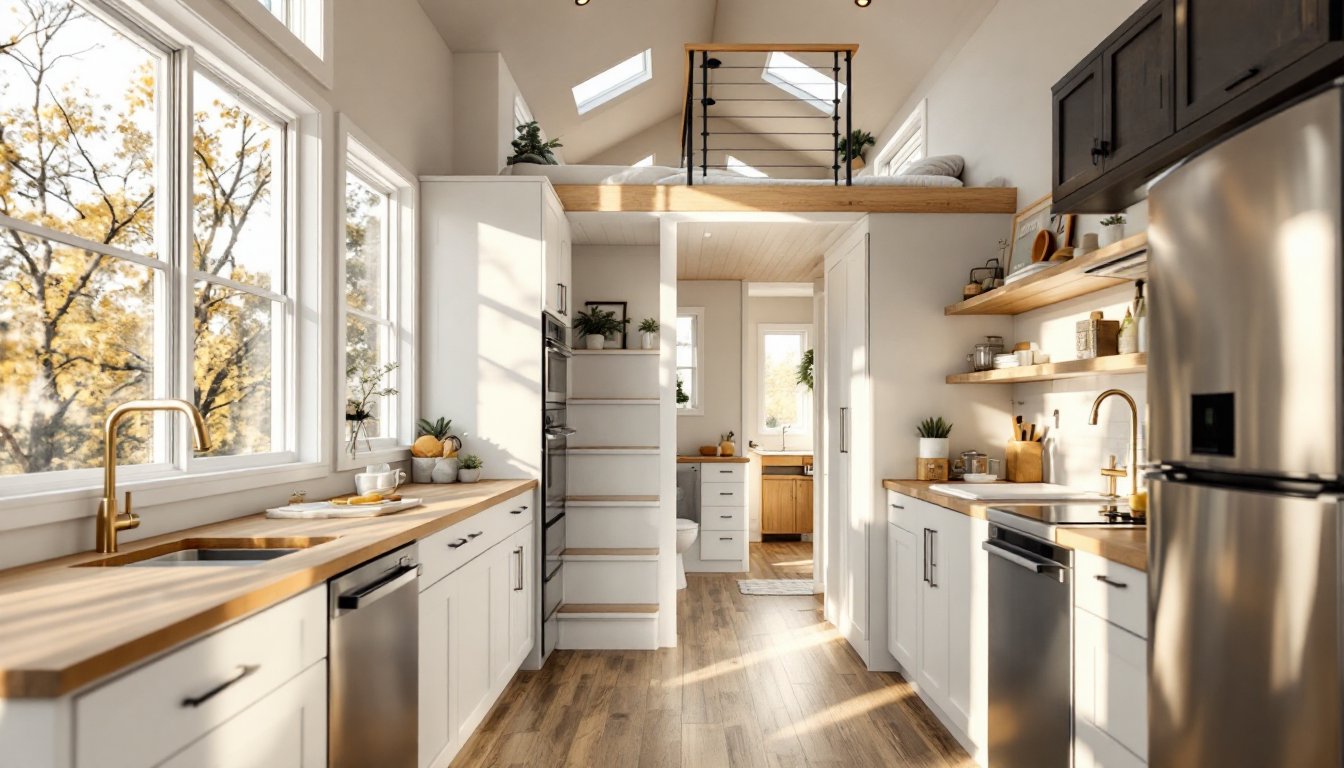
Smart open plans use strategic furniture placement, counters, or partial walls to define zones without closing them off. A kitchen peninsula, for example, separates cooking from the living area without blocking sight lines or airflow. The goal is function, not just square footage.
One trade-off: open kitchens make cooking smells permeate the entire house. Good ventilation is non-negotiable. A range hood vented to the outside (not recirculating) is essential in tiny homes, not optional.
Multi-Functional Spaces
Multi-functional design is where tiny houses really shine. A bedroom that doubles as a home office. A dining table that folds down. Built-in storage that serves as room dividers. The best tiny house floor plans treat almost every piece of furniture or architectural element as doing double duty.
Lofted sleeping areas are popular in tiny homes because they free up floor space for living areas. A sleeping loft over the living room or kitchen lets a 300-square-foot main floor do the work of 500 square feet. Tiny Home Ladder: The walks through safe access to these lofts, a critical detail that separates well-designed tiny homes from ones that feel awkward to navigate.
Built-in benches with storage underneath, murphy beds, and convertible furniture aren’t gimmicks: they’re structural decisions that make tiny living practical. The layout must accommodate these before construction begins.
Key Design Principles for Small-Space Living
Vertical stacking is the golden rule. Use walls for storage. Stack bedrooms above utilities. Put appliances and cabinets high. Traditional single-story layouts waste the vertical dimension.
Narrow hallways and circulation. Every inch of hallway that doesn’t serve multiple purposes is wasted floor space. Tiny houses use radial or linear circulation, paths that branch off a main corridor or flow in a line, rather than long hallways with rooms on both sides.
Corner utilization. Corners are dead zones in most rooms. Angled or wraparound cabinets, corner sinks, and L-shaped furniture force you to use every inch. Likewise, a corner murphy bed or a tiny desk wedged in an alcove keeps the main floor open.
Windows and light. Small spaces feel smaller if they’re dark. Generous windows, skylights, and light-colored walls aren’t decoration, they’re functional components of the layout. Placement of windows should be coordinated with the floor plan so you’re not blocking natural light with a bulky bed or sofa.
Ceiling height variation. Not every room needs 8-foot ceilings. Vaulting the living area and keeping bedrooms at standard height creates visual interest and psychological spaciousness. Reclaimed Wood Tiny Home: demonstrates how material choices and ceiling treatments reinforce a thoughtful floor plan.
Code compliance. Bedroom egress (emergency exit windows), clear space around beds, and hallway widths aren’t suggestions, they’re IRC standards. Verify your local codes before finalizing a layout. Some jurisdictions have specific tiny house regulations: others apply standard building codes. You may need permits for structural plans before you can build.
Real-World Tiny House Floor Plan Examples
A 400-square-foot gooseneck trailer might have an open kitchen/living area at the front (200 sq ft), a bathroom (35 sq ft), and a bedroom at the rear (100 sq ft). Stairs to a sleeping loft consume 30 square feet, and storage eats another 35 square feet. This is tight but livable if the layout uses full-height cabinets, a corner desk, and a compact stacked washer/dryer.
A 600-square-foot on-foundation tiny home can support a dedicated office nook or a guest bedroom. With a single-story layout, you get about 500 square feet of usable floor space plus a lofted sleeping area overhead the living room. More separation between zones is possible, though walls still need to justify their footprint.
A 800-square-foot two-story design approaches a small house. You might have a downstairs kitchen, dining, and living area with a powder room, and upstairs bedrooms and a full bath. This layout feels more traditional and offers better privacy, a genuine advantage if multiple people live there long-term.
In all cases, the kitchen footprint must be functional. A galley kitchen with appliances on facing walls works in 80 square feet if every inch is used efficiently. A kitchen peninsula that doubles as a dining counter saves space compared to a separate dining table. Apartment Therapy and Houzz are rich sources for seeing how real tiny home owners arrange these compact kitchens and multifunction layouts. Studies on small-space design also appear in resources like Small-Home Harmony from Fine Homebuilding, which breaks down how efficient floor plans boost resale and livability.
The bathroom is a chokepoint. A 5-by-8-foot bathroom (40 square feet) is the minimum for a shower, toilet, and sink. Tiny homes often use corner sinks or pocket-door enclosures to gain a few inches. Tiny House Insulation: Unlock and Tiny House Climate Control: matter more in small spaces because bathroom humidity and kitchen heat concentrate faster and can cause mold or discomfort if not managed.
Conclusion
A great tiny house floor plan isn’t just small, it’s intentional. It respects building codes, clusters utilities for efficiency, and treats every surface as an opportunity for function. Whether you choose open-concept or separated zones, lofts or linear layouts, the best designs start on paper, account for how you actually live, and don’t compromise on comfort or safety. Start by studying floor plans online, visiting tiny homes in person if possible, and sketching your own priorities. Your layout is the foundation for everything else, get it right, and the tiny house dream becomes practical reality.