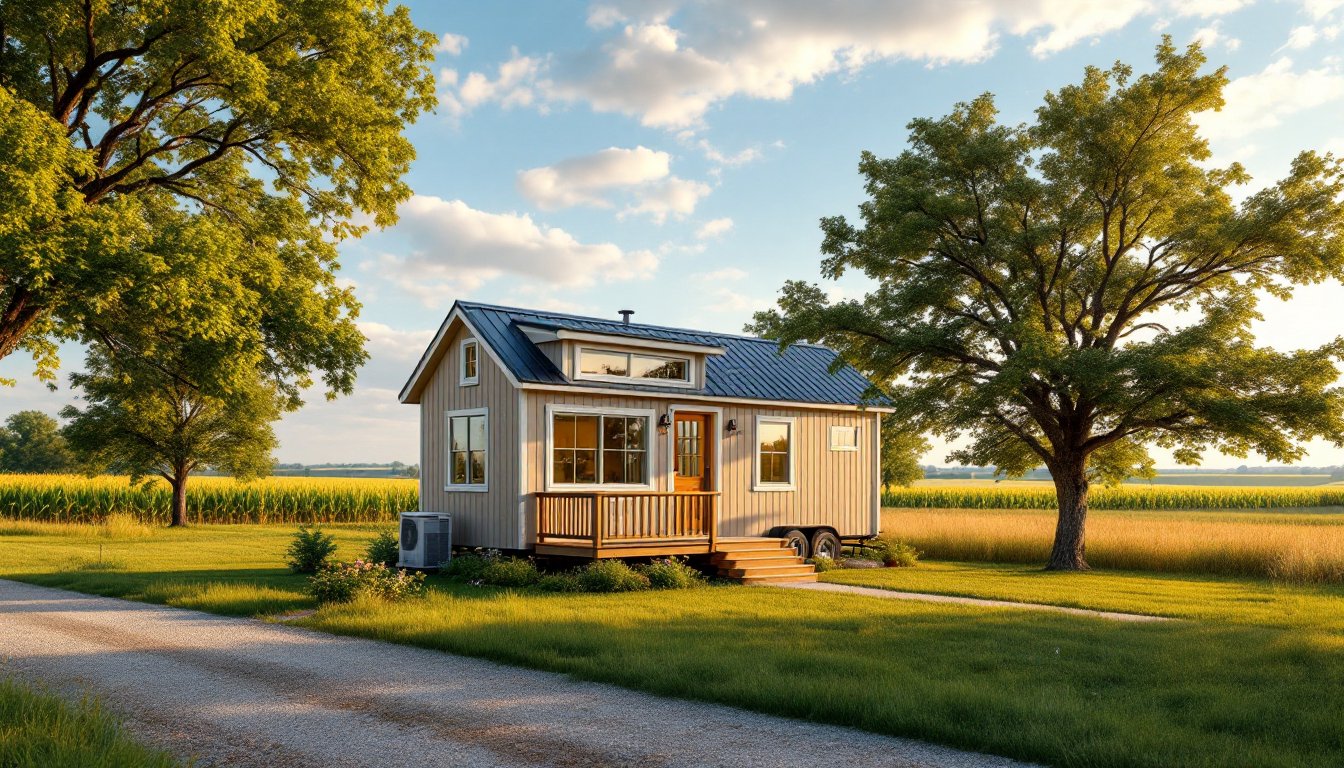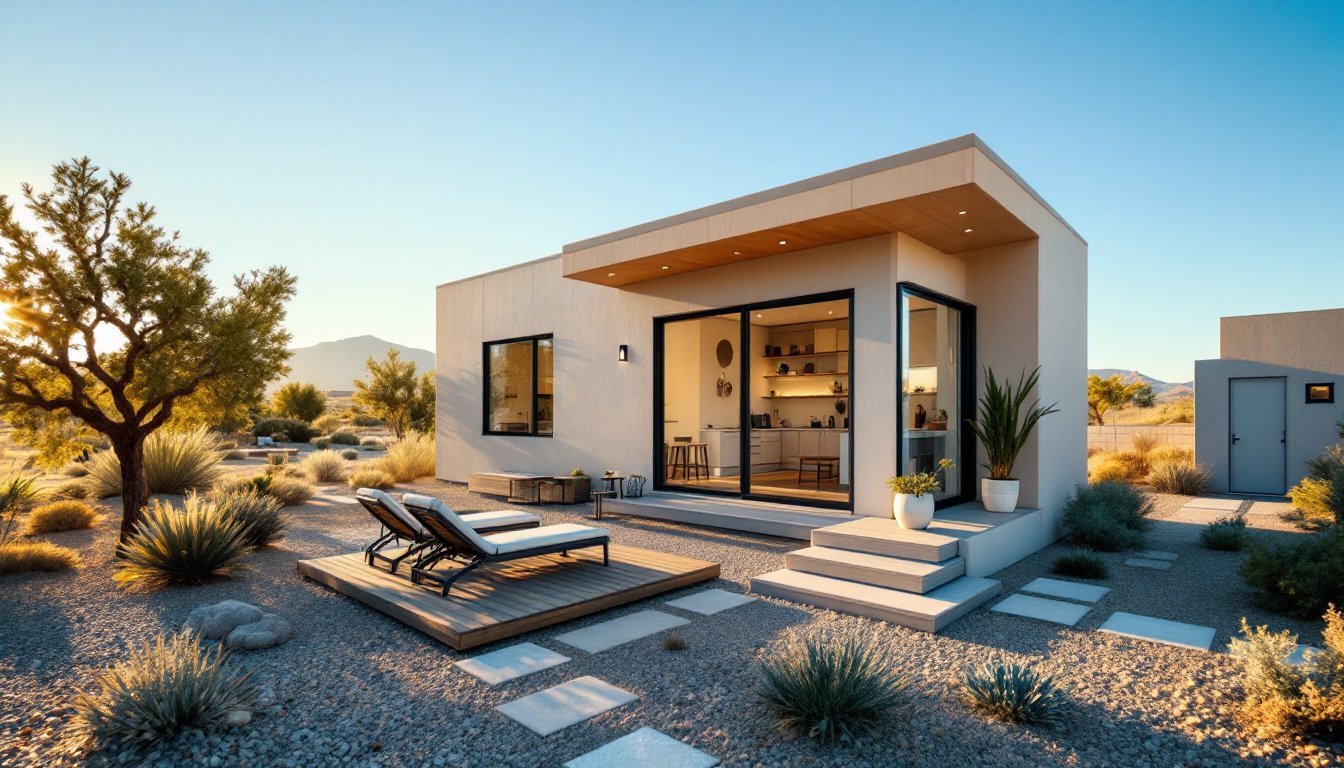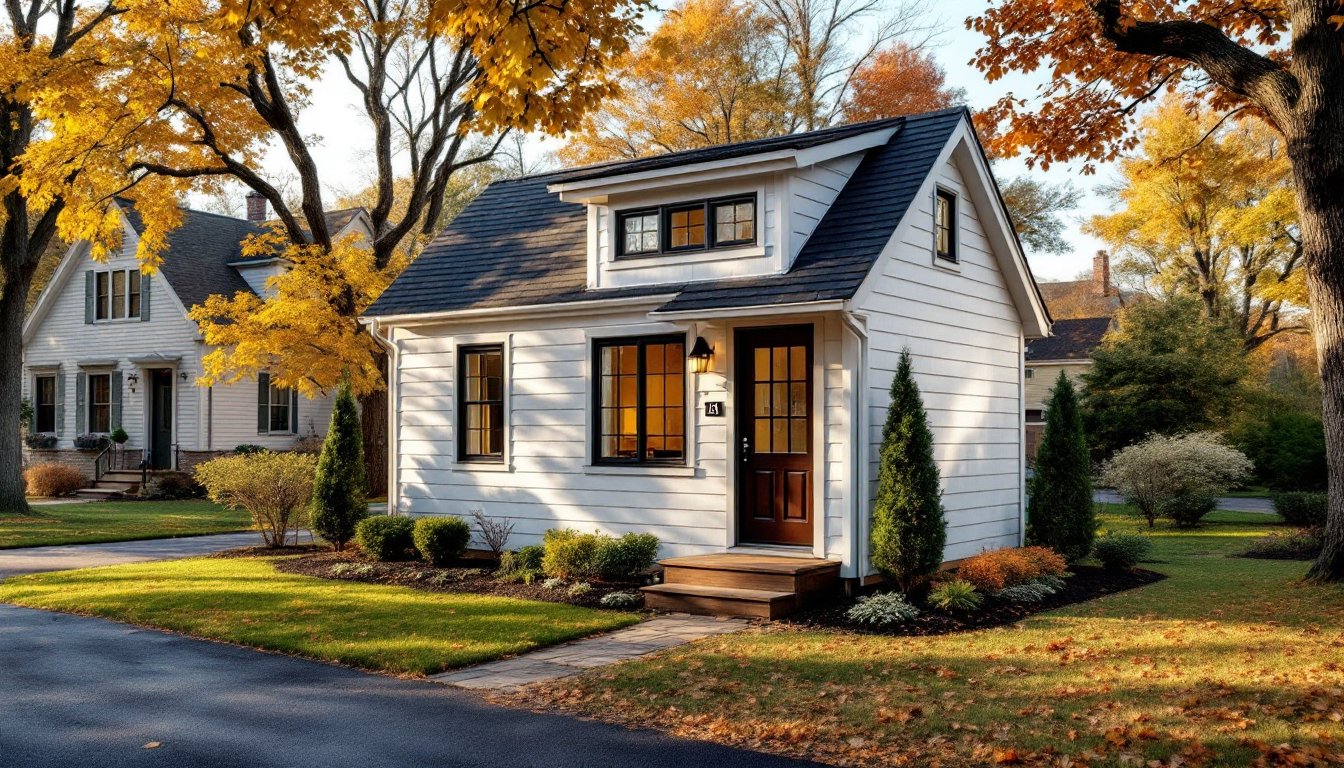

Anchored tiny homes represent a major shift in affordable, sustainable housing. Unlike their mobile cousins, anchored tiny homes sit on permanent foundations, they’re not going anywhere. Whether you’re exploring downsizing, seeking a secondary residence, or building an accessory dwelling unit (ADU) on your property, understanding how to properly anchor a tiny home is essential. This guide walks you through foundation types, installation basics, permitting requirements, and the long-term financial benefits of anchoring your tiny home the right way.
Table of Contents
ToggleKey Takeaways
- Anchored tiny homes sit on permanent foundations and qualify for conventional mortgages, significantly reducing borrowing costs compared to mobile units at 1–2 percentage points versus 8–12% RV-loan rates.
- Three main anchoring systems exist—pier-and-block, ground-level concrete, and structural piers—each with different costs ($6,000–$25,000) and suitability depending on soil conditions and local climate zones.
- Proper installation requires site surveying, soil testing, and careful attention to frost line depth, anchor bolt torque specifications, and base preparation to prevent costly foundation failures.
- Zoning laws and building codes for anchored tiny homes vary dramatically by jurisdiction; always verify local ADU regulations and permit requirements before purchasing land or ordering a home.
- Long-term financial benefits include property appreciation, competitive insurance rates, and lower property tax assessments compared to conventional homes, making the 15–25% additional upfront investment worthwhile over 30 years.
What Are Anchored Tiny Homes and Why They Matter
An anchored tiny home is a dwelling unit (typically 400–800 square feet) permanently secured to a foundation using engineered connections and anchoring systems. The difference between anchored and mobile tiny homes matters significantly: anchored homes qualify for traditional mortgages, increase property value, and satisfy most zoning codes that prohibit mobile homes. They also withstand wind and seismic loads far better than temporary or mobile structures.
Why anchor a tiny home? First, permanence brings financing options. Lenders treat anchored tiny homes as real property, opening doors to conventional mortgages and equity lines of credit that aren’t available for mobile units. Second, building codes mandate permanent foundations for structures that aren’t classified as RVs or travel trailers. Third, anchored homes resist weather and natural disasters more effectively when properly secured. If you’re building an ADU on family land or creating a long-term primary residence, anchoring transforms your tiny home from a novelty into a legitimate real estate asset. Consider exploring tiny house parking options if you’re still evaluating whether a permanent foundation fits your lifestyle.
Types of Anchoring Systems for Tiny Homes
Three main anchoring approaches dominate the tiny home market: pier-and-block, ground-level concrete, and structural piers. Each has trade-offs in cost, durability, and site preparation requirements. Your choice depends on soil conditions, local building codes, budget, and whether you need future relocation flexibility (pier systems preserve that option better than poured concrete).
Pier and Block Foundations
Pier and block systems use concrete footings set below the frost line (typically 3–4 feet deep in northern climates, shallower in warm zones) topped with concrete blocks or metal posts. The tiny home frame rests on adjustable metal pedestals bolted to these piers. This approach leaves airspace beneath the home, useful for drainage and utility access, and allows leveling adjustments if the structure settles unevenly.
Installation involves digging holes to frost depth, pouring concrete footings, stacking concrete blocks or installing metal posts, and securing the home frame with bolted anchor points. The process is labor-intensive but less expensive than a full concrete slab. Frost line depth varies by region: check your local building department or IRC (International Residential Code) tables. Inadequate frost depth leads to heave and foundation failure in freeze-thaw cycles, so this isn’t a shortcut step.
Ground-Level Concrete Pads
A ground-level concrete pad (or slab-on-grade) is a 4–6 inch thick concrete foundation poured directly on compacted soil or gravel base. The tiny home bolts directly to the slab using embedded anchor bolts or straps. This method is faster, requires less excavation, and works well on relatively stable soil. But, ground-level pads don’t account for frost heave in cold climates and provide less ventilation beneath the structure.
For a slab, the subgrade must be properly prepared: remove topsoil, compact base gravel to 4–6 inches, install a vapor barrier, and verify soil drainage. Moisture can damage flooring if the base prep is skipped. Slabs work best in mild climates or where frost depth is minimal. In freeze-thaw zones, they’re riskier without extensive site assessment. Modern tiny homes designed for these systems often come with integrated rim boards and anchor bolt specifications that simplify installation.
Installation and Setup Essentials
Proper installation begins with site surveying and soil testing. Have a licensed surveyor establish elevation and boundaries: have a soil engineer assess bearing capacity and drainage. These steps cost $500–$1,500 but prevent expensive failures later.
Site Preparation:
- Clear and level the building area (remove vegetation, rocks, and debris).
- Compact the subgrade to remove soft spots: use a plate compactor or hand tamper.
- For pier systems: mark footing locations using batter boards and string, then excavate to frost depth.
- For slabs: lay out gravel base, compact it firmly, and install vapor barrier and rebar mesh.
Anchor Installation:
- Set concrete footings or pour the pad according to local code requirements.
- Install anchor bolts or straps (spacing typically 6–8 feet apart along the rim joist).
- Position the tiny home on the foundation using a crane or hydraulic lifts: this step usually requires professional equipment and a licensed operator.
- Connect the home frame to anchor points: torque bolts to the manufacturer’s specification (usually 80–120 foot-pounds).
- Install blocking or shims beneath the frame to ensure level and to support utility connections.
- Connect utilities (water, sewer, electrical) and seal any gaps around the skirting or rim.
Common Mistakes to Avoid:
Skipping soil testing leads to unexpected settling. Under-torquing anchor bolts allows movement under wind loads. Failing to compact the base creates uneven settling. Forgetting vapor barriers or drainage can cause moisture problems in crawl spaces. If you’re not experienced with heavy equipment or foundation work, hire a contractor licensed in foundation work, this isn’t a DIY afternoon project. An experienced tiny home installation contractor can often flag problems before they become expensive.
Regulations, Permits, and Zoning Considerations
Building codes and zoning laws governing tiny homes vary dramatically by jurisdiction. Some municipalities embrace them as affordable housing solutions: others restrict them or ban them outright. Never buy land or order a home without researching local rules first, it’s a costly mistake.
Permit and Inspection Requirements:
Most jurisdictions require building permits for foundation work and the structure itself. The permit process includes:
- Submitting foundation and framing plans (typically prepared by the manufacturer or a structural engineer).
- Scheduling foundation and framing inspections before and after work.
- Final approval before occupancy.
If your tiny home arrives with plans already stamped by a professional engineer, permitting is simpler: if not, hire a structural engineer to prepare plans. Expect 4–8 weeks for permitting and inspections, depending on local workflow.
Zoning and ADU Laws:
Accessory dwelling units (ADUs) have become legal in many states, but rules are specific. Oregon, California, and several other states allow ADUs on single-family lots: many counties and cities set size, setback, and occupancy restrictions. A tiny home on a family property might qualify as an ADU or might be classified as a second dwelling unit, depending on local code. Check with your planning department before designing your foundation.
Manufactured vs. Site-Built:
If your tiny home comes from a factory (manufactured tiny home), verify whether it meets HUD standards (mobile home code) or is subject to local building codes. Factory-built doesn’t always mean faster permitting: site-built tiny homes often move through permitting more smoothly because they follow familiar residential code paths. Confirm the manufacturer has engineer-stamped plans ready for your jurisdiction.
Cost Breakdown and Long-Term Benefits
Foundation and anchoring costs typically range from $8,000–$25,000, depending on system type and site conditions. Pier-and-block systems generally cost 15–20% less than poured slabs, but final pricing depends on soil, frost depth, and local labor rates. Always get multiple quotes and factor in permitting, inspections, and site prep.
Typical Costs:
- Site assessment and survey: $800–$1,500
- Permit and inspection fees: $500–$2,000 (varies by municipality)
- Pier-and-block foundation: $6,000–$15,000
- Ground-level concrete slab: $8,000–$18,000
- Equipment rental (crane, compactor, etc.): $1,500–$4,000
- Labor (if outsourced): $3,000–$8,000
These are ballpark figures: your actual costs depend on local conditions and competition among contractors. Getting a permanent foundation adds 15–25% to your total tiny home investment compared to a mobile setup, but the returns justify it.
Long-Term Financial Benefits:
An anchored tiny home appreciates like traditional real estate and qualifies for conventional financing. Mortgage rates for anchored tiny homes typically fall within 1–2 percentage points of standard home loans, compared to RV-loan rates (8–12%) for mobile units. Over a 30-year mortgage, that difference saves tens of thousands in interest. Anchored homes also attract appraisals and insurance rates competitive with small houses, not specialized RV or mobile home coverage. Property tax assessments vary by locale, but anchored tiny homes usually carry lower assessments than conventional homes due to smaller footprint, a financial win for budget-conscious buyers. Explore how suburban tiny homes and reclaimed wood tiny home projects leverage permanent foundations to maximize long-term value and sustainability.